
Most people spend a lot of time thinking about food and exercise when it comes to their health. Fewer people stop to think about the air they’re breathing every day.
That’s understandable. Air pollution is invisible most of the time, so it’s easy to overlook. Several common air pollutants are found in both outdoor and indoor air, and understanding them can help you make small, practical changes.
Here’s a closer look at three of the most common ones.

Sulfur Dioxide: A Pollutant Tied to Industry and Acid Rain
Sulfur dioxide is produced when fuels containing sulfur, such as coal or oil, are burned (1). On its own, the gas is a concern mainly for people with asthma, since even short-term exposure can make breathing more difficult (1).
Sulfur dioxide can also react in the atmosphere to form sulfate particles, which contribute to fine particulate matter (PM2.5), and it plays a role in acid rain, which affects soil, water, and air quality more broadly (1).
Long-term exposure has been linked to respiratory illness and can make existing heart or lung conditions worse, particularly in people who already have asthma or cardiovascular disease (1).
Carbon Monoxide: A Gas You Can’t See or Smell
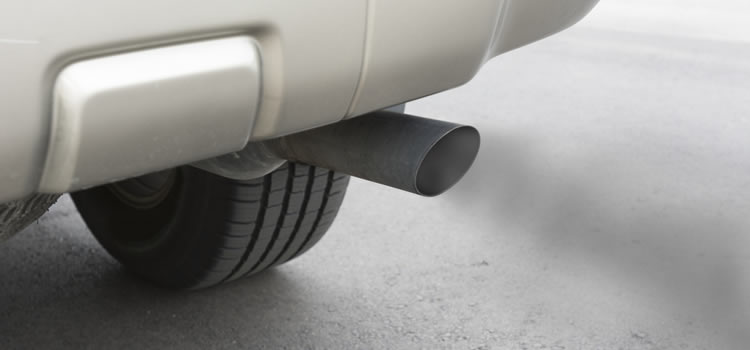
Carbon monoxide is one of the sneakier pollutants because it has no color, taste, or odor. It’s produced whenever fuel is burned, and in cities, the biggest source is usually vehicle traffic (2).
The reason carbon monoxide is a concern is fairly simple. It interferes with how oxygen moves through the bloodstream, which means organs like the heart and brain may not get what they need (2)(3). At lower levels, this can show up as fatigue, headache, dizziness, or chest discomfort, especially in people with existing heart disease (2)(3). Symptoms may progress to confusion and nausea as exposure increases, and at high enough concentrations, carbon monoxide can be fatal (2)(3).
This is one reason carbon monoxide detectors are recommended for homes with gas appliances, fireplaces, or attached garages. It’s not something you can rely on your senses to catch.
Particulate Matter: Tiny Particles With a Big Impact
Particulate matter is a mix of extremely small solid and liquid particles suspended in the air. Some come from direct sources like construction sites, wildfires, or vehicle exhaust. Others form when gases like sulfur dioxide react in the atmosphere (4).
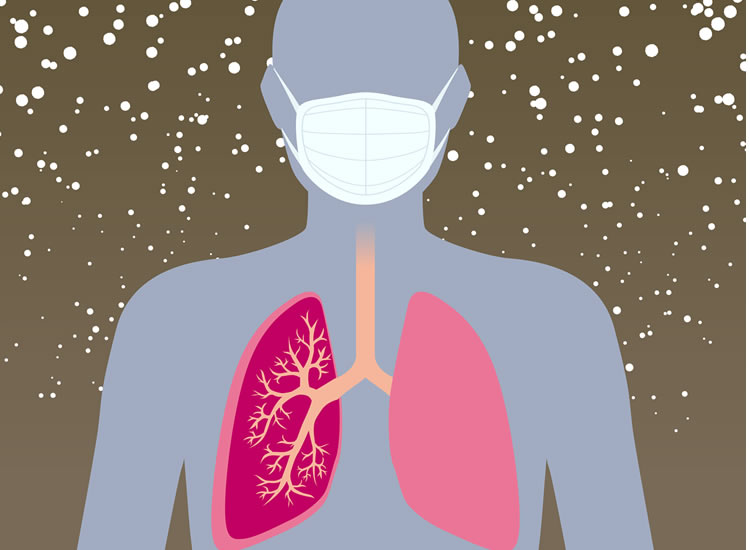
The smallest of these particles, known as PM2.5, are especially concerning because they’re small enough to travel deep into the lungs, and some can even enter the bloodstream (4)(5). Short-term exposure has been linked to irregular heartbeat, nonfatal heart attacks, aggravated asthma, and decreased lung function, in addition to irritation of the nose, throat, and airways (5).
Sensitive groups, including older adults and people with existing heart or lung conditions, tend to notice the effects of particulate matter more than others (5).

Simple Ways to Improve Air Quality at Home
You can’t control every source of air pollution, but there are a few practical things that can help you reduce your everyday exposure.
- Check your local Air Quality Index (AQI), especially before spending extended time outdoors during wildfire smoke events or other periods of poor air quality (6)
- Keep windows closed and use recirculated air in your car when outdoor air quality is poor
- Install a carbon monoxide detector if you have gas appliances, a fireplace, or an attached garage
- Reduce indoor sources of particulate matter, like excessive candle burning or unventilated cooking smoke
- If your HVAC system is designed to use one, a higher-efficiency filter (such as MERV 13) can help filter fine particles from indoor air during smoke events (7)
- A HEPA air purifier can also help reduce indoor particle levels in the rooms you use most
If you’re interested in supporting your overall wellness alongside the healthy habits discussed in this article, you can explore one of the wellness products we’ve selected for our readers.
None of these steps require an overhaul of your routine. For many people, it’s simply a matter of building a couple of small habits, like glancing at the AQI the way you’d check the weather.
A Realistic Takeaway
Air quality isn’t something most people think about daily, and that’s normal. But a little awareness goes a long way, especially for anyone with asthma, heart conditions, or other sensitivities. Small, consistent habits, like checking air quality forecasts or improving ventilation at home, tend to make more of a difference over time than any single big change.
While no product can replace good indoor air quality practices, many people choose to pair healthy lifestyle habits with carefully selected wellness products. If you’d like to explore one option we recommend, you can learn more below.
Explore Our Recommended Wellness Option
Sources
- U.S. EPA. Sulfur Dioxide Basics. https://www.epa.gov/so2-pollution/sulfur-dioxide-basics
- U.S. EPA. Basic Information about Carbon Monoxide (CO) Outdoor Air Pollution. https://www.epa.gov/co-pollution/basic-information-about-carbon-monoxide-co-outdoor-air-pollution
- U.S. EPA. Carbon Monoxide’s Impact on Indoor Air Quality. https://www.epa.gov/indoor-air-quality-iaq/carbon-monoxides-impact-indoor-air-quality
- U.S. EPA. Particulate Matter (PM) Basics. https://www.epa.gov/pm-pollution/particulate-matter-pm-basics
- U.S. EPA. Health and Environmental Effects of Particulate Matter (PM). https://www.epa.gov/pm-pollution/health-and-environmental-effects-particulate-matter-pm
- AirNow.gov. Air Quality Index (AQI) Basics. https://www.airnow.gov/aqi/aqi-basics/
- U.S. EPA. Wildfires and Indoor Air Quality (IAQ). https://www.epa.gov/emergencies-iaq/wildfires-and-indoor-air-quality-iaq