Picture this crazy scene:
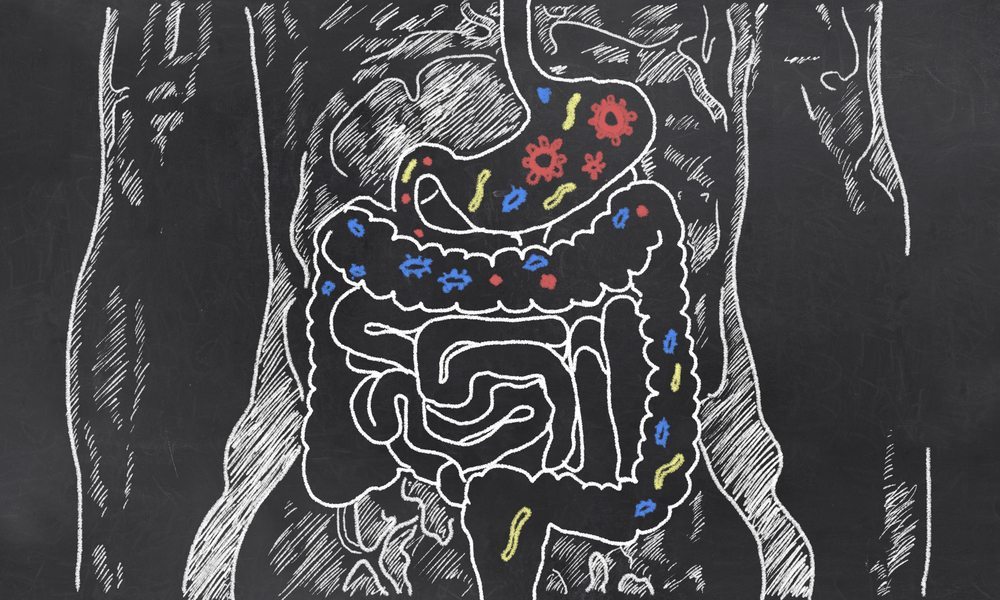
Two foreign armies – some 100 trillion soldiers strong between the both of them – set up camp deep inside your body.
These tiny, microscopic soldiers are waging a war and your gastrointestinal tract is the battlefield.
There are good guys and bad guys in this conflict, and whichever army has the upper hand in this never ending struggle has an enormous impact on how well you fight off sickness and disease, your energy levels, your emotional well-being, how clearly you think and how quickly (or even if) you lose weight.
Sounds incredible, right?
The idea that an invading force could have such a powerful influence on so many important aspects of your mental and physical health sounds like something out of a science fiction movie!
But as far-fetched as it may sound, the scene I described above is real.
And it’s taking place in your body right now.
In this special report you’ll learn…
- The amazing role your gut plays in your physical AND mental health
- Why one popular “gut healthy food” can actually make digestive issues MUCH worse
- How a healthy gut can actually improve your mood
- 9 easy ways to improve your gut health
- And more!
What’s Going On Inside Your Gut?
(Way More Than You Probably Think!)
Your gut is a far busier place – and far more important to your overall mental and physical health – than you probably realize.
Right now, as you’re reading this, there’s an estimated 100 trillion microorganisms who call your gut home.
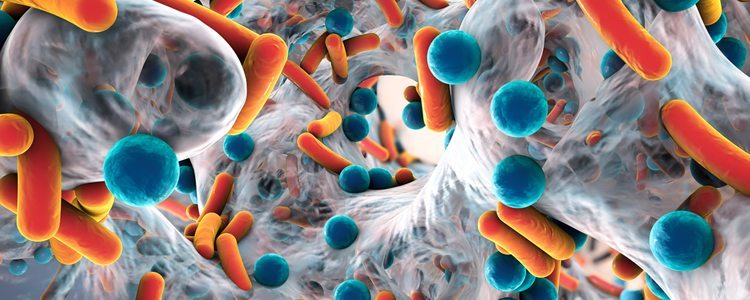
As incredible as it may sound, you’re technically only 10 percent human!
A full 90 percent of your cells are nonhuman, microbial cells.
Next time you step on the bathroom scale to weigh yourself keep in mind that two to five pounds of your body weight is made up of bacteria, even though these cells are teeny-tiny – only one-tenth to one-hundredth the size of a human cell!
These microorganisms create a complex community known as the gut flora or, more accurately, the gut microbiome and they play a critical role in regulating your body’s immunity, digestion, weight, metabolism and even your emotions.
Like any bustling community, your gut microbiome has good folks and less savory types sharing the same space.
A healthy gut microbiome is all about balance: 80 percent of the bacteria are good guys and 20 percent are like the annoying neighbors who play their music too loud and have a dog that won’t quit barking.
When your gut microbiome is balanced you have energy to last you from morning till night, shrug off colds and allergies, enjoy the benefits of healthy digestion (buh-bye constipation!), and feel awesome!
But when the bad bacteria runs rampant, it can lead to all sorts of problems.
These bad bacteria can trigger painful inflammation that puts you at risk for serious health conditions like constipation, bloating, depression, inflammatory bowel disease, rheumatoid arthritis, allergies, asthma and, possibly, even obesity [1].
(We’ll have a look at what you can do to keep bad bacteria in its place in just a moment …)
Your gut microbiome is amazing, but it wasn’t until very recently that scientists understood much about it.
In 2012, 200 scientists at 80 institutions finished sequencing the genetic material extracted from the microbiomes of nearly 250 healthy adults [2].
What they discovered was that each individual’s microbiome was different than the next person’s – like an internal fingerprint. And many of the activities performed by the bacteria in the microbiome were so similar to those of an organ, scientists dubbed the term “forgotten organ” to describe the microbiome [3].
Let’s take a look at just three of the ways your microbiome influences your health.
The Weird and Wonderful Ways
Your Gut Microbiome Affects Your Health

The 100 trillion microorganisms that make up your gut microbiome influence your health in some truly amazing ways. For example, scientists now know that 60 to 70 percent of your immune system is found in your gut!
Your gut-associated lymphoid tissue, or GALT for short, is a one cell thick membrane that lines your gut wall.
And while your GALT may be super thin it’s also super important – without it your body would stand little chance against harmful bacteria. That’s because your GALT is loaded with B cells and T cells that trigger your immune response, neutralizing naughty bacteria and preventing them from passing through your gut wall – and into your body where they can make you seriously sick.
Another way your gut microbiome supports your health is through the production of serotonin.
Serotonin, sometimes called the “happy hormone”, is a neurotransmitter that regulates sleep, anxiety, depression and mood. And guess where the lion’s share of your serotonin is produced? You got it! It’s actually produced in your gut, not your brain.
So when you’re feeling blue it could have less to do with your brain, and much more to do with your belly!
Finally, let’s talk about the brain in your belly. It may sound weird, but you actually have two brains.
The connection between your belly and your brain is so strong that scientists frequently refer to the gut as the body’s “second brain”.
And while your gut obviously isn’t responsible for any of your higher cognitive functions (you can’t expect it to write a poem or prepare your taxes) it can have a profound impact on your emotional state as well as the clarity of your thinking.
Pretty impressive, right?
Your gut microbiome plays a role in how well your body fights off harmful bacteria, your emotional well-being and even how clearly you think!
And while more research is needed, scientists believe the gut microbiome may play a major role in whether or not a person develops obesity [4].
Because your gut microbiome is so important in determining the way you look and feel, you probably want to do everything you can to support a healthy gut microbiome, right? Well you’re in luck!
In just a few seconds I’m going to share nine things you can do today to improve your gut health.
But first, let’s take a look at how some common aspects of our modern lifestyle are anything but good for the health of your gut microbiome.
Modern Life Is Wreaking Havoc On Your Gut Microbiome
All disease begins in the gut. – Hippocrates
Hippocrates said that over 2,000 years ago, and modern science is proving those words to be true.
As you’ve seen over the last few paragraphs, your gut microbiome plays a crucial role in your overall mental and physical health. And if the bad bacteria in your gut is pushing the good bacteria around, you can be certain your health will suffer for it.
Sadly, several common aspects of our modern lifestyle have been shown to wreak havoc on your gut microbiome:
- Over-the-counter NSAIDs like Advil and ibuprofen
- Antibiotics [5]
- Diets high in refined sugars and carbohydrates
- Diets low in fermentable fibers
- Chronic stress and fatigue
- Chronic illness
That’s the bad news.
The good news is that you have far more control over the health of your gut microbiome than you probably realize.
After all, you can control factors like diet and stress that directly impact the health of your gut microbiome.
This is exciting!
Because even if you’re not as healthy as you’d like to be right now, you can make lifestyle choices that will directly lead to a healthier gut microbiome, and will quickly and dramatically influence the way you look and feel.
You’ve seen how important your gut microbiome health is to your overall well-being … and YOU have the power to do something about keeping it in tip top shape.
Here are nine things you can do, today, to support a healthier gut microbiome so you can enjoy more of the radiant health and abundant energy you deserve!
9 Easy Ways to Improve Your Gut Health
1. Eat probiotics-rich foods.

You can literally eat your way to a healthier gut microbiome by including yummy fermented whole foods like sauerkraut, kimchi, miso and kefir on your menu.
These plant-based probiotics-rich foods supercharge your belly’s good bacteria and give them the fuel they need to fight the good fight against bad bacteria.
You’ll want to steer clear of vinegar-based and/or pasteurized probiotics-rich foods as these will actually kill the good bacteria in your gut microbiome.
2. Skip the yogurt.
If you think of yogurt as a good source of probiotics, you’re not the only one.
After all, multi-billion dollar food companies with mega bucks to spend on marketing have been trumpeting their yogurts as a tasty way to get your daily probiotics fix for years.
Here’s the truth: Most of the popular yogurt brands available at your local grocery store are LOADED with added sugars, essentially neutralizing any benefit you might receive from the probiotics by pumping your gut full of sugar the bad bacteria need to thrive.
If you want to enjoy yogurt as a healthier snack, opt for plain Greek yogurt.
3. Load your plate with tasty plant-based PREbiotic foods.
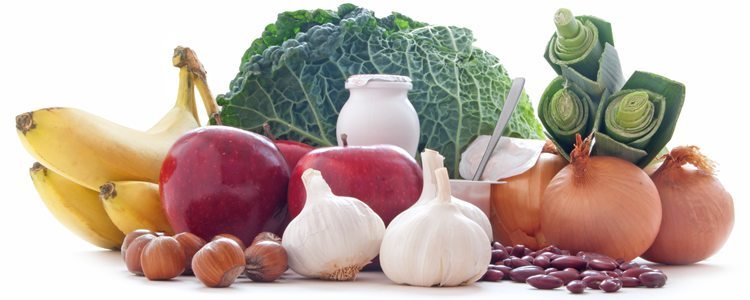
Prebiotics (not to be confused with probiotics) are non-digestible food ingredients that promote the growth of healthy bacteria in your gut microbiome.
Think of prebiotics as the fuel your healthy bacteria need to kick serious bad bacteria booty.
Luckily, some of the richest sources of prebiotics also happen to be incredibly delicious!
These include plant-based foods like Jerusalem artichokes, bananas, polenta, broccoli and other cruciferous veggies (like kale, cabbage, and cauliflower), blueberries and beans. So next time you head to the grocery store make sure you’ve got plenty of these foods on your shopping list.
Give your good bacteria the fuel they need to fight the good fight!
4. Kick your soda habit.

Soda is, to put it bluntly, one of the worst things you can do to your body.
If you order a medium soda next time you dine out at your favorite restaurant, you can expect to consume an alarming 44 grams of sugar – and that’s BEFORE you ask for a refill.
The American Heart Association recommends women consume no more than 90 grams of added sugar per day (and men no more than 135 grams per day).
Not only does sugar cause bad bacteria to multiply and thrive in your gut microbiome, but excessive sugar consumption has been linked to obesity, heart disease, type 2 diabetes, fatty liver disease, low libido, cancer, hormonal imbalances and many other serious health problems.
5. Drink plenty of water.

Water is essential to flush bacteria and waste out of your digestive system, as well as to help prevent constipation and bloating.
For a healthy gut microbiome, staying hydrated is a must.
So, how much water should you drink every day? As a general rule you want to drink half of your body weight in fluid ounces of water daily. That means if you weigh 140 pounds you’d drink 70 ounces of water throughout the day – the equivalent of about nine 8-ounce glasses of water.
6. Relax

Our modern lives are more fast-paced and stressful than ever.
When you experience chronic stress your adrenal glands flood your body with the stress hormone cortisol which basically slams the brakes on your digestion. Not good if you’re trying to promote a healthy gut microbiome!
There are all sorts of effective relaxation techniques from yoga to deep breathing to an afternoon of retail therapy. An unusual, but effective, way to manage stress could be as simple as sniffing a scented candle.
In a recent study reported in the journal Complementary Therapies in Medicine, women who sniffed air infused with orange essential oil for only 90 seconds instantly had less activity buzzing in their prefrontal cortex, the part of brain where stress is recognized and processed. These ladies literally sniffed away their stress in just a minute and a half!
7. Lay off the snacks and fast food.

Sugar-soaked, refined foods like cookies, chips, donuts, and anything that’s served to you in a paper bag are like giving the bad bacteria in your gut a 24-hour pass to an all-you-can-eat buffet – and the more these bad bugs eat the more the faster they multiply and run rampant in your but microbiome.
Go easy on the snacks and junk food and chow down on healthy probiotics-rich foods like the ones mentioned above instead.
8. Get some fresh air.

For the vast majority of our history, we humans spent a good deal of our time outdoors. These days? Not so much.
Between the hours we spend cooped up in our homes, offices and vehicles a recent National Activity Survey found that most of us spend a full 90 percent of our lives indoors!
Simply opening a window to let in some fresh air can improve the health and diversity of the microbes floating around your home or office, which can lead in turn to a healthier gut microbiome. [6]
9. Take a high-quality probiotic supplement.
A high-quality daily probiotic supplement can give your good bacteria a serious boost, keep the bad bacteria in check, boost your immune system, aid digestion, and even make it easier for you to lose belly fat.
Now It’s Your Turn
Unfortunately, as you read in this article, our modern lifestyle is full of choices that harm our gut microbiome… and most people have no idea that an unhealthy gut microbiome could be contributing to their persistent health problems.
I hope what you’ve learned here makes it easier for you to make lifestyle choices that promote the ongoing good health of your gut microbiome.
Fix your digestion from the inside out—start here