

Quick Summary
Constipation affects up to 20% of adults in the United States, and diet is one of the most overlooked contributing factors. One category of food that may make a meaningful difference is probiotic-rich foods. These foods help support beneficial bacteria in your gut, which play a role in digestion, stool consistency, and regular bowel movements. (1)
This guide covers 10 probiotic-rich foods that may support better digestion, explains why they work, and offers practical ways to add them into your routine.
Constipation sounds minor until it becomes a regular problem. Then it turns into bloating, discomfort, sluggishness, and frustration.
Many people do not realize that gut bacteria influence much more than digestion alone. When beneficial bacteria become disrupted, digestive function often slows too. (2)
What Causes Constipation?
Constipation is generally defined as having fewer than three bowel movements per week or passing stools that are hard, dry, or difficult to pass. (1)
Several factors may contribute:
• Low fiber intake
• Inadequate hydration
• Sedentary lifestyle
• Stress
• Hormonal changes
• Certain medications
• Digestive conditions
When food moves slowly through your digestive tract, your colon absorbs additional water from stool, making it harder to pass.
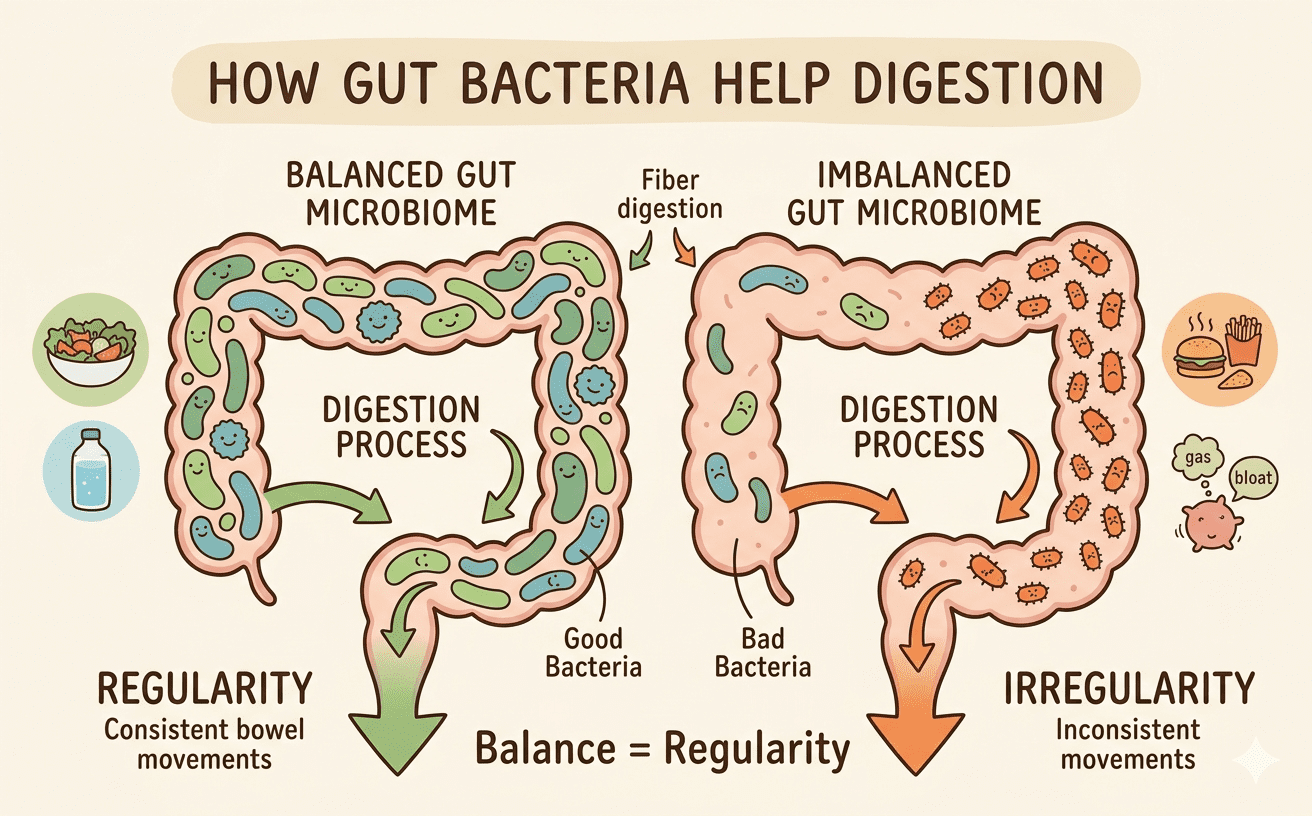
How Gut Bacteria Affect Digestion
Your digestive tract contains trillions of microorganisms collectively known as the gut microbiome. These organisms help regulate digestion, nutrient absorption, and intestinal movement. (2)
When the balance between beneficial and harmful bacteria shifts, transit time may slow, stools can become harder, and constipation may become more common.
Research suggests probiotics may help improve stool consistency and increase bowel movement frequency in some adults experiencing constipation. (3)
Food is one of the simplest places to begin supporting healthier microbial balance.
10 Probiotic-Rich Foods That Support Regularity
1. Kefir
Kefir is one of the most diverse probiotic foods available and may contain dozens of bacterial and yeast strains. (4)
2. Kimchi
Kimchi provides probiotics plus fiber, which helps nourish beneficial bacteria already living in your digestive tract.
3. Sauerkraut
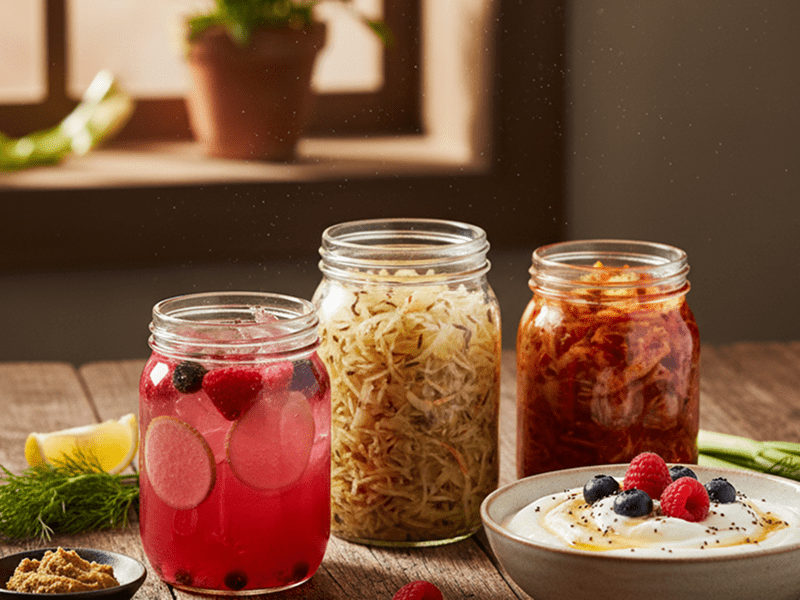
Look for refrigerated, unpasteurized versions whenever possible since heat treatment destroys many beneficial bacteria.
4. Yogurt with Live Cultures
Look specifically for labels stating “live and active cultures.” Certain strains have been studied for digestive health and bowel regularity. (3)
5. Kombucha
Fermented tea products may help support microbial diversity while providing organic acids that support digestion.
6. Miso
Fermented soybean paste provides beneficial microbes and works well in soups and sauces.
7. Tempeh
Tempeh provides probiotic benefits while also functioning as a protein source.
8. Aged Cheeses
Certain aged cheeses retain beneficial cultures after fermentation.
9. Traditional Sourdough Bread
Traditional fermentation introduces beneficial bacteria and creates prebiotic compounds.
10. High-Fiber Fruits and Vegetables
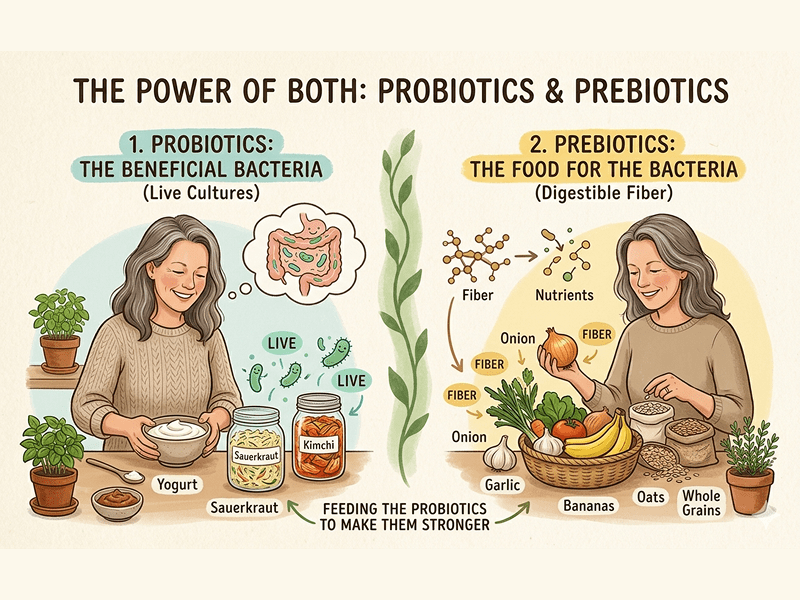
Foods like apples, berries, broccoli, pears, and leafy greens provide prebiotic fiber that feeds beneficial bacteria. (5)
Prebiotics and probiotics tend to work best together.
A Note on Getting Enough
Many people notice improvements simply by consistently adding two or three probiotic foods.
Simple starting points:
• Choose yogurt with live cultures
• Add kimchi or sauerkraut to meals
• Blend kefir into smoothies
• Increase fiber-rich fruits and vegetables
Consistency often matters more than quantity. (6)
Looking Beyond Food Alone
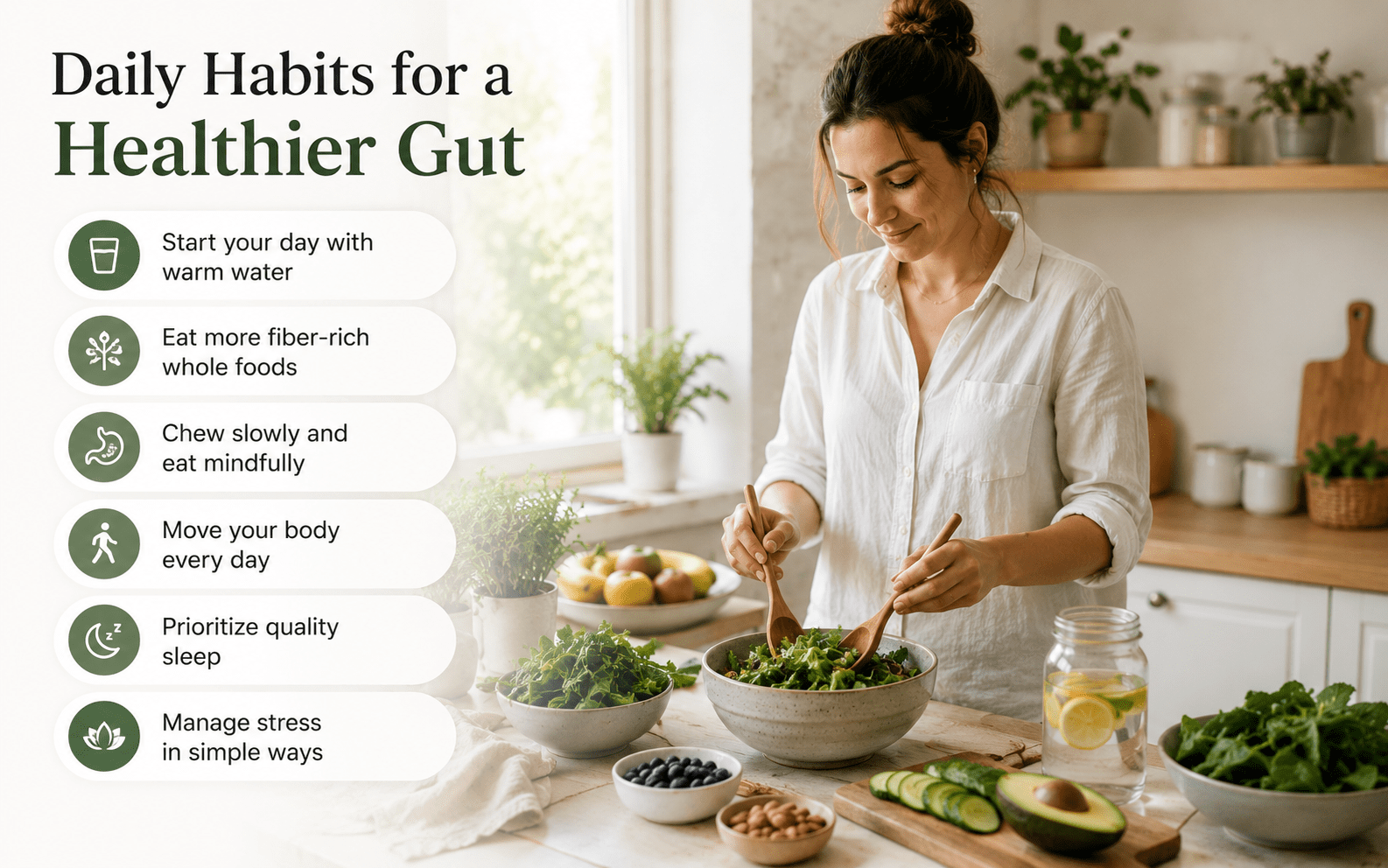
Digestion rarely depends on one habit.
Stress, travel, medications, aging, and routine changes can all influence gut balance.
If you have been trying to improve digestion for a while and still feel like something is missing, exploring additional digestive support options may be worth considering.
Some people find combining probiotic foods with targeted digestive support helps fill the gaps during busier seasons or periods of inconsistency.
Learn More About Our Recommended Digestive Support Option
Final Thoughts
Improving digestion usually happens through consistent habits, not dramatic changes.
Choose one or two foods from this list and begin adding them regularly. Small changes repeated consistently often create the biggest long-term improvements.
Supporting your gut health does not have to be complicated. Sometimes the simplest habits create the biggest long-term changes.

Sources
[1] Mayo Clinic. Constipation: Symptoms and Causes
https://www.mayoclinic.org/diseases-conditions/constipation/symptoms-causes/syc-20354253
[2] Thursby E, Juge N. Introduction to the Human Gut Microbiota
https://pubmed.ncbi.nlm.nih.gov/28512250/
[3] Dimidi E, et al. The Effect of Probiotics on Functional Constipation in Adults
https://pubmed.ncbi.nlm.nih.gov/25099542/
[4] Bourrie BC, et al. The Microbiota and Health Promoting Characteristics of Kefir
https://pubmed.ncbi.nlm.nih.gov/27199893/
[5] Academy of Nutrition and Dietetics: Health Implications of Dietary Fiber
https://pubmed.ncbi.nlm.nih.gov/26514720/
[6] Personalized Gut Colonization Resistance to Empiric Probiotics
https://pubmed.ncbi.nlm.nih.gov/30193112/