
Coronavirus. Covid-19. SARS CoV-2. Those are all names referring to a virus that we’d all like to forget! Right?!
From the actual illness to the ripple effects of trying to “control” this viral beast, it seems that most everyone has been affected in one way or another.
And, one of the latest ways that those above mentioned ripple effects are wreaking havoc happens to be right under our noses!
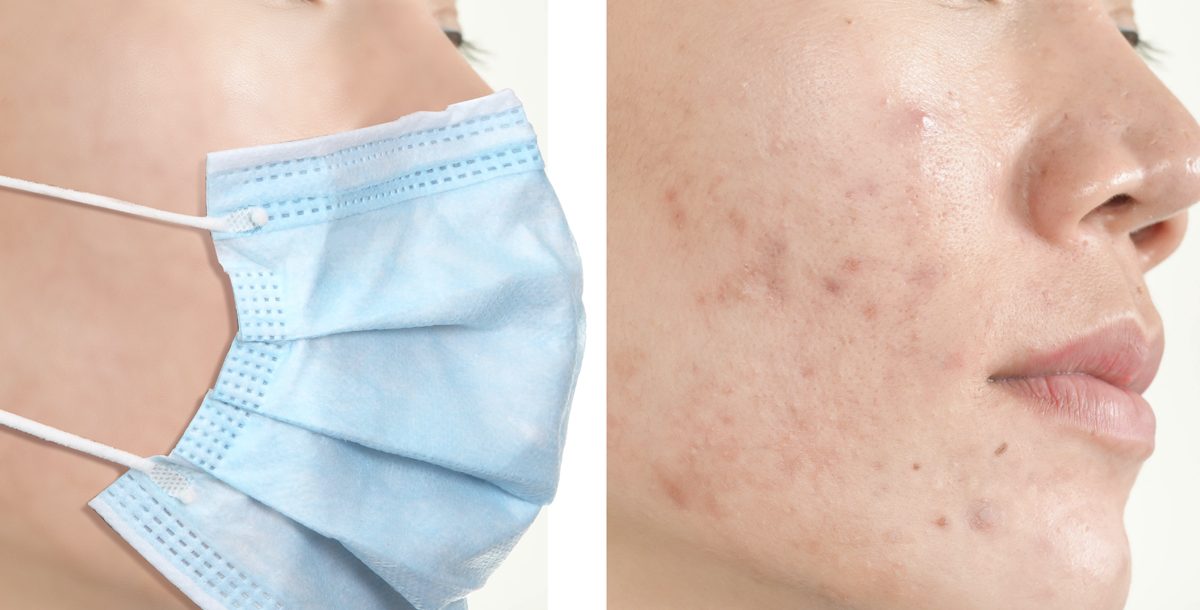
With mask mandates being issued in many states and with many workplaces forcing employees to don cloth coverings, an unwelcome side effect has been noticed by those wearing masks for several hours a day. Acne!
No, it’s not puberty, adult onset, or anything like that…this is purely mask induced.
So, let’s look at some ways to combat this unexpected, annoying result of attempting to stop the spread of corona, and get your face back to its blemish-free self!
How Does Mask Acne Occur?
The area of your face covered by that mask becomes a petri dish of sorts after several minutes of wearing a covering.
Pore clogging oils and bacteria get trapped on your skin in that humid “petri dish” area, resulting in acne for some individuals.
Believe it or not, there’s actually a technical name for this type of acne. It’s known as acne mechanica. This term refers to acne that is caused by a cloth, thick clothing, or even protective gear that rubs or presses against your face.
And, if you’re someone who is prone to breakouts already, unfortunately the mask works overtime against you.
Not only does the warm environment between your face and the mask trap oils and bacteria, the repeated rubbing of the mask against your face causes inflammation as well, resulting in an increased amount of acne.
So, besides ditching the cloth, what can you do to stop mask acne?
1- Skip The Make-up

Wearing make-up products like foundation can both clog and trap dirt in your pores.
Now, cover up those clogged pores, deny them the ability to “breathe,” add some warmth, and a little bacteria, and you’ve got a recipe for acne.
When you have to wear a mask for several hours…well, first be sure that you’re getting some fresh air and not covering your mouth and nose for hours on end…but, I digress.
Anyway, if you have to wear a mask throughout most of your day, and it’s causing acne, skipping make-up for now can help to clear up the breakout.
2- Probiotics & Collagen

The health of your gut and the health of your skin are closely linked.
Bacteria that exist on your skin and bacteria within your gut actually work together in the fight against germs (pathogens).
This closely linked team can signify an imbalance of bacteria in a number of ways, one being breakouts on your skin.
Probiotics restore balance to the bacteria in the gut, and you see the benefits of this balance in the mirror.
One study in the early 1960s tested the effects of probiotic supplementation on 300 patients with acne. 80% of the participants saw measurable reductions in their acne with probiotic usage.
So, how does collagen fit into the mix here? Collagen is an abundant protein found in your body that is responsible for a number of things, including the elasticity of your skin.
As we age, collagen production slows down, which is why we notice a change in our skin’s ability to stretch (seen in lines, wrinkles, sagging, and cellulite).
We can boost collagen production by fueling our bodies with protein-rich foods that give our bodies needed amino acids.
And, here’s where we get back to the probiotics. These good bacteria actually aid in the breakdown and absorption of those protein-rich foods that your body needs to produce collagen!
These two powerful supplements can both facilitate the health of the gut-skin relationship and help to boost your body’s ability to absorb the proteins needed in collagen production.
When mask acne starts to occur, probiotics work within your gut, with your immune system, to fight this inflammation.
And, collagen comes in as a healer, also teaming up with your immune system to heal the wound caused by acne and stimulate new tissue growth where the blemish once was.
3- Wash Your Face And Your Mask
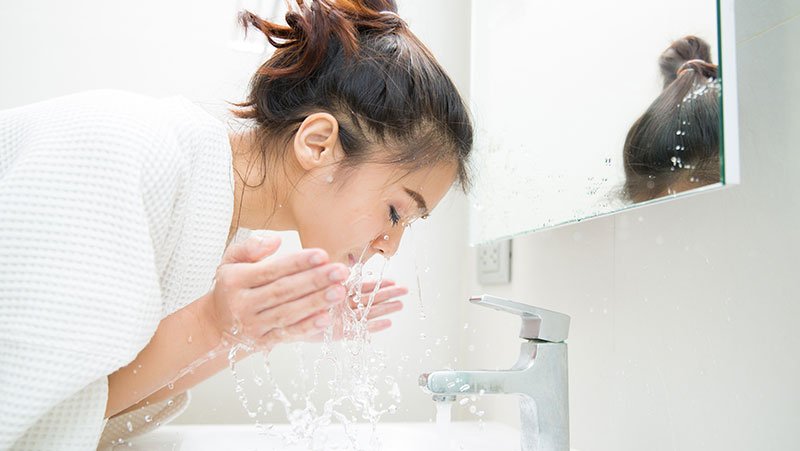

It seems like the importance of washing your hands has been hammered hard during this Covid season, but the side effects of mask-wearing have shown us that washing your face and your mask are important too (even if it’s for other reasons).
Wash your face both before you put on your mask and after you take it off. And, think of the following when choosing a product to wash your face:
- Opt for a mild face cleanser that is fragrance-free, something that won’t irritate or dry your skin.
- Skip harsh chemicals. You’ll want to avoid the following ingredients: aluminum, polyethylene, parabens, and retinyl acetate.
You can even try making a homemade face wash. Here’s an easy method that omits the harsh chemicals and cleanses your skin:
Apple Cider Vinegar Face Cleanser
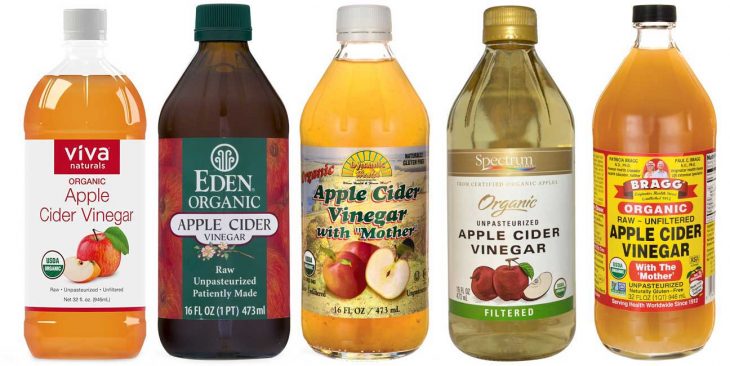
Apple cider vinegar can work as a natural toner, restoring your skin’s natural pH, clearing clogged pores, and preventing acne. Always dilute ACV before applying to your skin.
- Mix 1 part apple cider vinegar with 2 parts water.
- Apply to your face with a clean cotton pad or cotton ball.
After your skin dries, you can apply your normal moisturizer.
And, now for the mask.
If you’ve gotten into the habit of reusing the same mask day in and day out, this could be another cause for the acne that you are now experiencing.
There’s no way around it, no matter how cute your mask is, the bacteria that reside on it…well, they’re ugly.
You wouldn’t go days on end wearing the same undergarments, would you? No way!
Your mask is possibly dirtier than your unmentionables. The moist air inside of the mask, the transfer of bacteria everytime you touch something else and then touch your mask. Yep…just like your undies…ya gotta wash the mask!
Some recommendations:
- Use a disposable mask that you change frequently throughout each and every day.
- Buy multiple cloth masks that you can wash repeatedly, changing out to a clean mask each day.
- Use an unscented detergent that doesn’t contain dyes or fragrances that may irritate your skin.
4- Exfoliation

In your face cleansing routine, clearing away dead skin cells and ridding your face of bacteria that has built up due to mask usage is imperative if you want to avoid acne.
And, sometimes simply washing your face isn’t enough.
Exfoliating at least once a week can remove built up bacteria, dead skin cells, and in turn unclog your pores.
Exfoliation simply requires a bit of abrasion, something coarse, to rub against your skin as opposed to your normal face wash.
Items like coffee grounds, coarse sugar, and sea salt make great exfoliators when combined with oils like coconut, olive, almond, and jojoba.
Here’s a “recipe” for a face scrub using used coffee grounds. Coffee is a powerful antioxidant, which can also help protect your skin.
Coffee Face Scrub
½ cup coarsely ground coffee (fresh, if possible)
¼ cup honey
¼ cup vitamin E oil
- Mix all ingredients together in a bowl.
- Apply gently. Massage into your skin for 3 minutes in a circular, upwards motion.
- Leave on as a mask for 5-10 minutes.
- Rinse with water, pat skin dry.
5- Check Your Diet

The foods you are eating could actually be contributing to your breakouts…mask or not.
Remember earlier when we mentioned the relationship between your gut (digestive tract) and your skin?
Well, certain foods can cause an inflammatory response in your body by introducing too many bad bacteria into your gut. The resulting imbalance in gut bacteria can be seen in the health of your skin.
Eating processed foods, refined sugars (or too much sugar in general), fried foods, conventional dairy products, and consuming too much alcohol can all contribute to or cause acne.
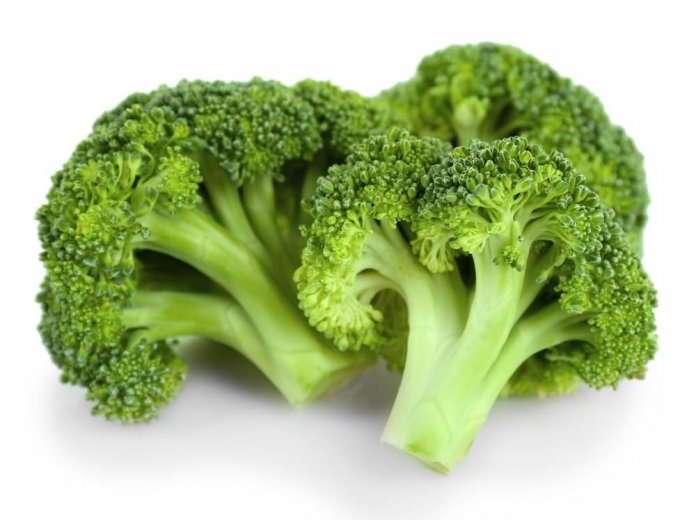
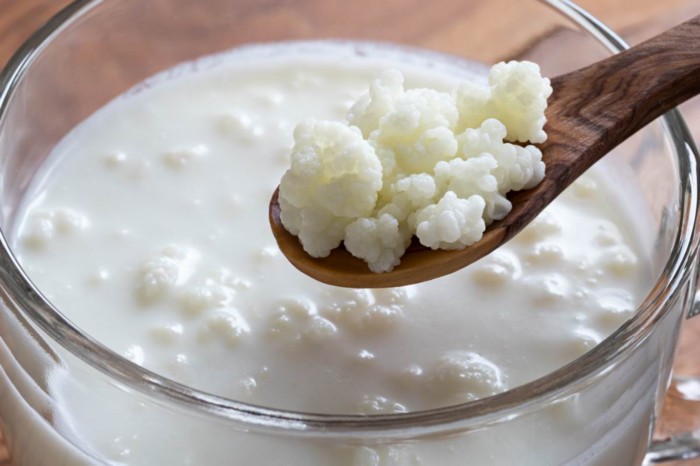
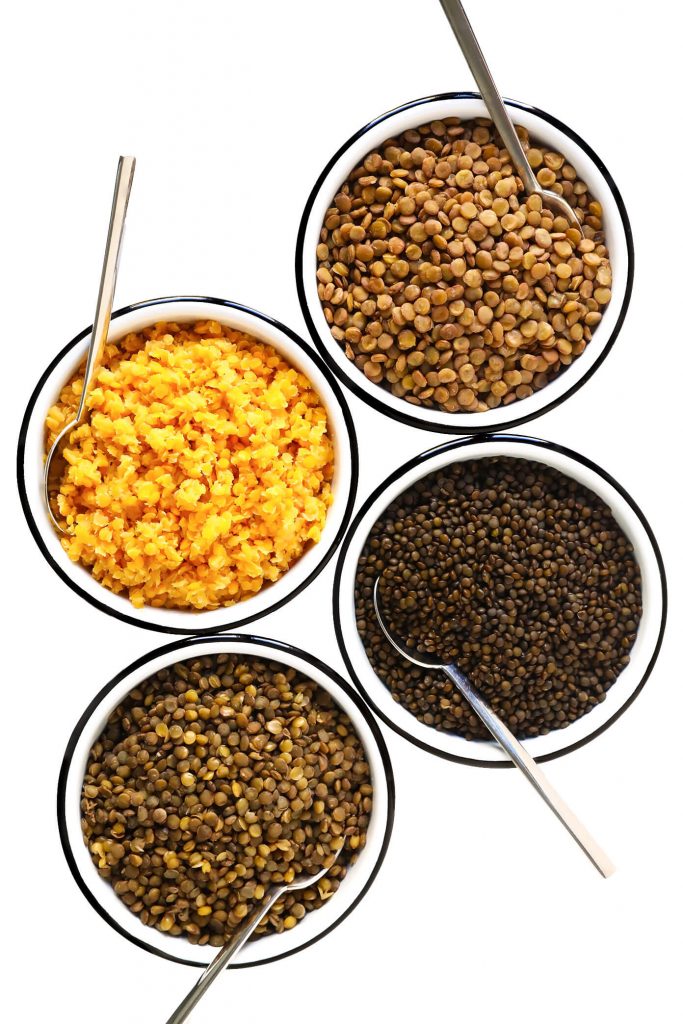
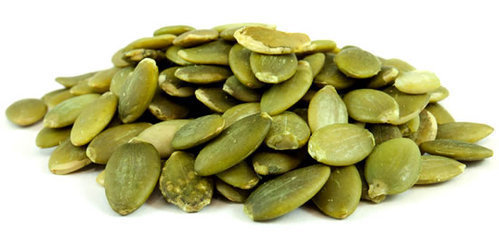
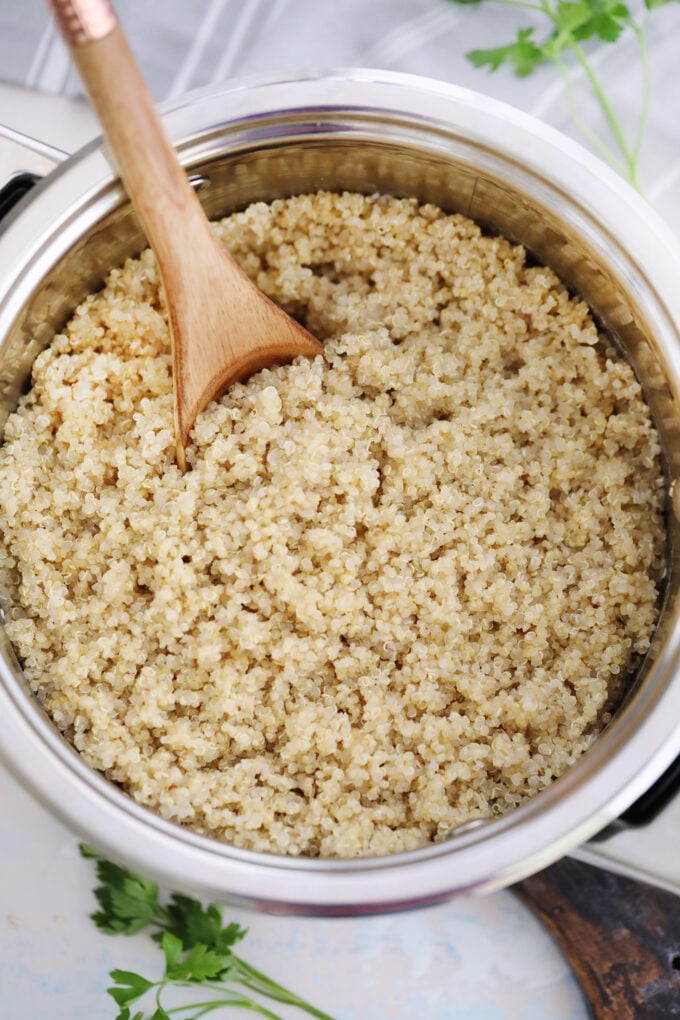
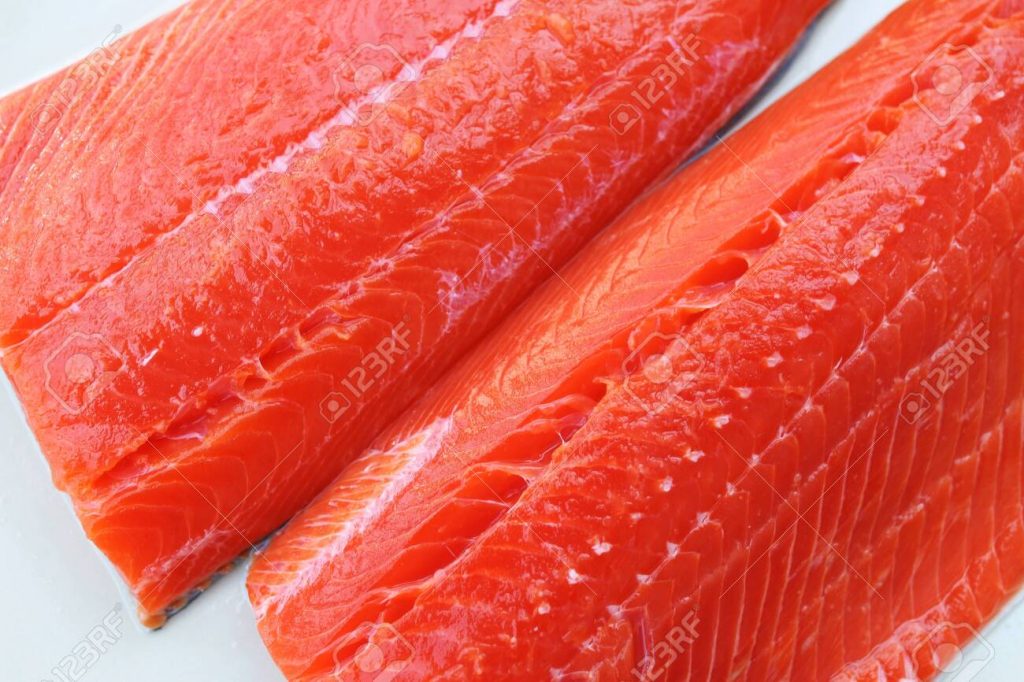
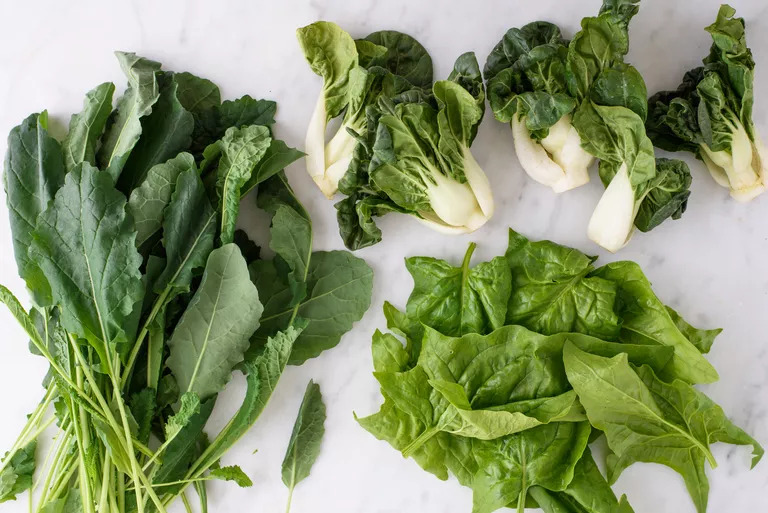
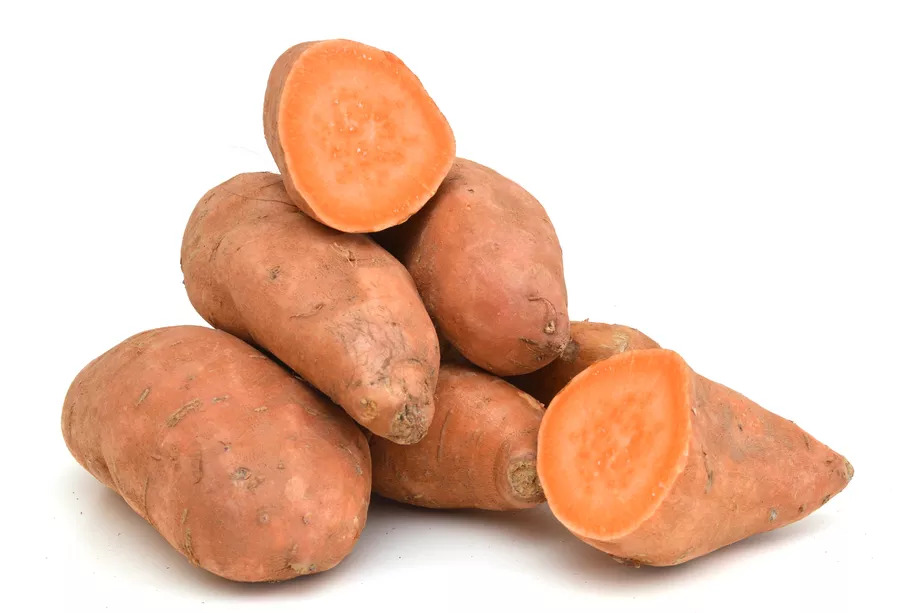
Fuel your body with healthy probiotic-rich foods (which provide good bacteria for your gut and inhibit the growth of bad bacteria, keeping everything balanced). Also include foods high in fiber, essential vitamins and minerals, and organic proteins in your diet.
The following foods are from each of those acne preventing and healing categories:














Conclusion
For some, mask usage is not an option. And, if you find the continual presence of this cloth on your face is causing acne, remember to incorporate the following:
- Wash your face with a gentle cleanser
- Exfoliate your face weekly
- Wash your mask frequently, change your mask daily
- Skip the makeup while wearing a mask
- Avoid processed foods, refined sugars, fried foods, conventional dairy products, and too much alcohol
- Fuel your body with healthy foods high in fiber, vitamin A, needed proteins, and probiotics
- Incorporate probiotic and collagen supplementation
Your gut and skin are a close knit team. The health of one affects the health of the other.
And, ensure that you’re fueling your body with the best collagen available.
A quality collagen supplement made of types 1 & 3 collagen is the building block of your skin and is a potent source of amino acids, which your body crucially needs to promote skin healing.
References:
https://draxe.com/health/cystic-acne/
https://draxe.com/health/maskne/
https://www.prevention.com/beauty/skin-care/a20467175/can-probiotics-clear-acne/
https://www.ncbi.nlm.nih.gov/pmc/articles/PMC5418745/
https://www.ncbi.nlm.nih.gov/pmc/articles/PMC4352699/
https://www.thehealthy.com/beauty/face-body-care/natural-face-cleansers/
https://www.prevention.com/beauty/skin-care/a32799979/coffee-face-scrub-recipes/
https://www.healthline.com/health/anti-acne-diet#foods-to-help-your-skin