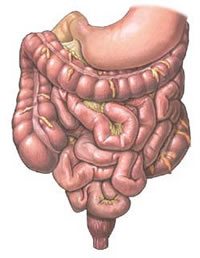

That burning feeling after dinner. The sour taste creeping into your throat when you lie down. The uncomfortable pressure in your chest after certain meals.
For many adults, heartburn becomes something they simply live with. A few antacids here. A few food restrictions there. Then repeat.
Occasional heartburn is common. Frequent heartburn is different. When symptoms keep showing up, many people start wondering whether there are ways to support digestive health beyond simply masking symptoms.
This article looks at three nutrients researchers have explored for digestive support: probiotics, collagen, and magnesium.
What Heartburn Actually Is
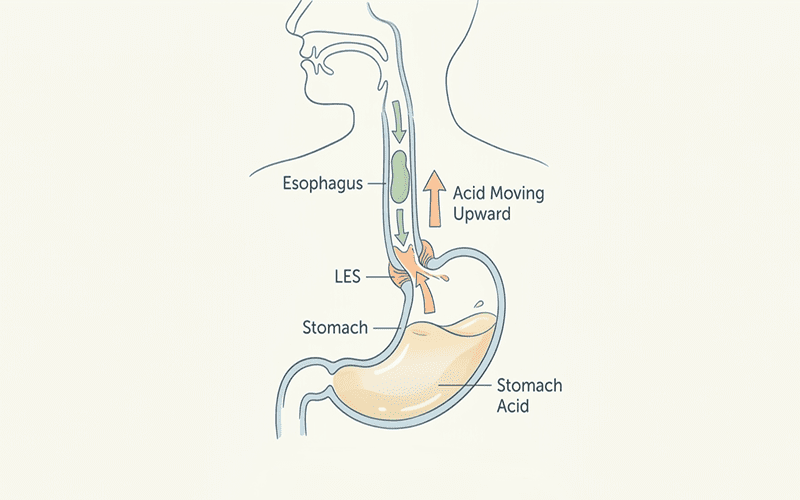
Heartburn itself is not a condition. It is a symptom of acid reflux.(1)
Acid reflux happens when stomach contents move upward into the esophagus. Since the esophagus is not designed to handle stomach acid, that backflow creates burning, irritation, and discomfort.
Common triggers include:
• Fried foods
• Large meals
• Coffee and alcohol
• Carbonated drinks
• Smoking
• Eating too close to bedtime
• Carrying excess weight
Reducing triggers helps many people, but digestive health often involves more than avoiding certain foods.
Why People Look Beyond Antacids
Antacids can provide quick relief for occasional symptoms. But many people who deal with regular reflux want to understand what may be contributing to symptoms in the first place.
Long term use of certain acid suppressing medications has been associated with nutrient absorption concerns, including magnesium and vitamin B12 levels.(2) That does not mean these medications are wrong or unnecessary. It simply explains why many people look for additional ways to support digestive health.
Probiotics: Supporting Gut Balance
Your digestive system contains trillions of bacteria that influence digestion, immune activity, and inflammation.
Researchers have increasingly studied whether imbalances in the gut microbiome may contribute to digestive symptoms, including reflux in some individuals.(3)
Probiotics are beneficial bacteria that may help support a healthier balance inside the gut.(4)
Potential benefits associated with probiotics include:
• Supporting regular bowel movements
• Supporting a healthy gut lining
• Helping maintain bacterial balance
• Supporting immune function
Fermented foods such as yogurt, kefir, sauerkraut, and kimchi naturally contain probiotics. Some people find that adding more fermented foods helps, while others prefer a more convenient approach when consistency becomes difficult. If you want to explore digestive support options further, there are several approaches worth looking at.

Collagen: More Than Skin Support
Collagen is usually discussed for skin, hair, or joints, but its amino acids may also play a role in digestive wellness.
Collagen contains amino acids such as glycine and glutamine that researchers are studying for their potential role in supporting digestive tissues and maintaining normal gut barrier function.(5)
Repeated acid exposure may irritate tissue over time. Because collagen provides structural building blocks used throughout the body, some people include it as part of their broader digestive support routine.(6)
Because digestive health is complex, many people combine dietary changes with targeted nutritional support rather than relying on one strategy alone.
Research in this area is still developing, so expectations should stay realistic.
Magnesium: An Overlooked Digestive Mineral
Magnesium participates in hundreds of functions throughout the body.
Magnesium plays an important role in muscle function throughout the body, including muscles involved in digestion, which is one reason researchers continue studying its relationship with reflux symptoms.(7)
Magnesium is also found in some antacid products because it can help buffer stomach acid.(8)
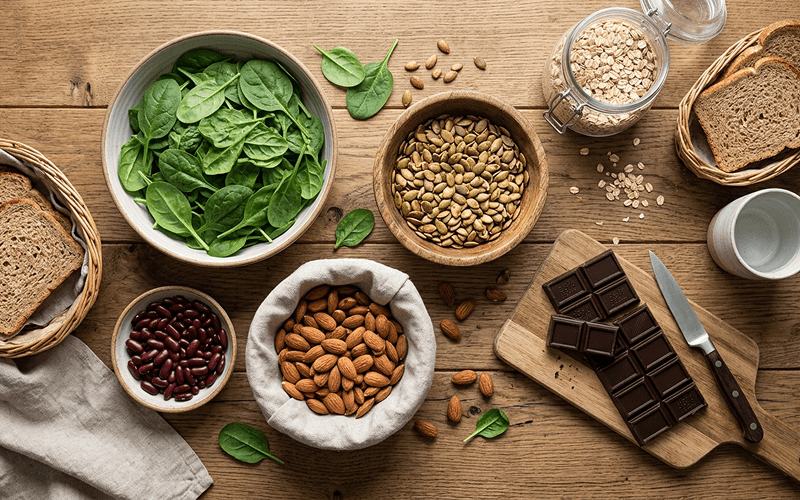
Foods naturally rich in magnesium include:
• Pumpkin seeds
• Almonds
• Spinach
• Beans
• Whole grains
• Dark chocolate
Food should usually come first, but for people who struggle to meet their needs consistently, some choose additional nutritional support.

Putting It Together
Probiotics, collagen, and magnesium each support different aspects of digestive health.
Probiotics focus on bacterial balance.
Collagen provides structural support.
Magnesium supports muscle and digestive function.
None of these nutrients should be viewed as overnight fixes. Consistency, food choices, meal timing, sleep habits, and stress management still matter.(9)
If you are exploring additional digestive support options, we researched several approaches and found one option that stood out because it focuses on supporting overall gut health rather than simply masking symptoms.
Sources
- Mayo Clinic GERD Overview: https://www.mayoclinic.org/diseases-conditions/gerd/symptoms-causes/syc-20361940
- Lam JR et al.: https://pubmed.ncbi.nlm.nih.gov/24326460/
- Systematic Review on Probiotics + GERD: https://pmc.ncbi.nlm.nih.gov/articles/PMC7019778/
- NCCIH Probiotics Overview: https://www.nccih.nih.gov/health/probiotics-usefulness-and-safety
- Glutamine + Intestinal Barrier Review: https://pubmed.ncbi.nlm.nih.gov/27749689/
- Collagen Peptide Digestive Research: https://pmc.ncbi.nlm.nih.gov/articles/PMC9198822/
- Magnesium Intake + Reflux Study: https://pubmed.ncbi.nlm.nih.gov/26563986/
- Antacid Review: https://pmc.ncbi.nlm.nih.gov/articles/PMC8966100/
- Lifestyle + GERD Review: https://pubmed.ncbi.nlm.nih.gov/36513474/