
Constipation isn’t a topic most of us want to discuss openly, but as many as 63 million Americans suffer from regular constipation. If you have trouble getting “regular,” i.e. passing more than three bowel movements in one week, you definitely aren’t alone.
Fortunately, there are many natural supplements and healthy habits proven to relieve the feeling that a pile of bricks is sitting in your stomach. In this article, we’ll look at the most common constipation-causing foods, the best juice for constipation and the best formula for constipation to keep things moving along.
Which Foods Cause Constipation?
If you stop eating the following 8 common culprits of constipation (and replace them with the best juice for constipation instead!) you’ll finally achieve a regular flow.
Constipation Culprit #1: Dairy
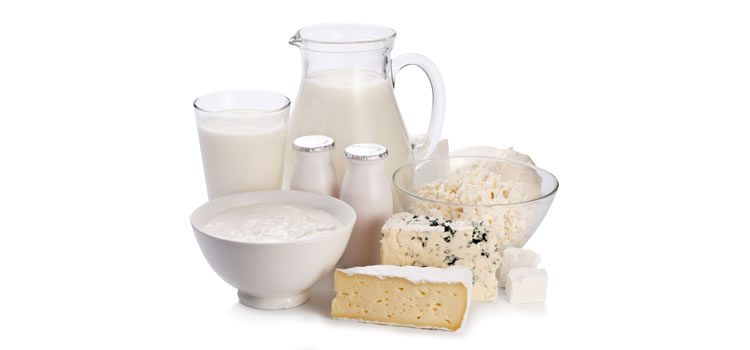
The molecules of cow’s milk are large and difficult to break down in the human body. Nearly three quarters of the population cannot properly digest lactose, the natural sugar in milk products. This can lead to bloating and constipation, especially without enough fiber to push the dairy through your colon.
Children are more vulnerable to dairy-induced constipation than adults, studies find. In fact, when children aged 1-12 received soy milk instead of cow’s milk, 75% rapidly experienced constipation relief.
Constipation Culprit #2: Processed Grains

Processed breads, pastas, cereals, and pastries are unfriendly to your gut for two main reasons: they contain the inflammatory protein gluten and they lack any substantial fiber.
The enzyme tTG is responsible for breaking down gluten into protein building blocks as soon as it reaches the intestines. However, gluten is known to trigger the GI tract to release a protein that degrades your intestine and prevents proper digestion.
This is paired with the fact that processed grains lack the rich fiber of whole grains. As you eat processed grains, you trigger inflammation and bloating in your digestive tract without adding any of the fiber necessary to move things along.
The result, unfortunately, is constipation.
Constipation Culprit #3: Bananas
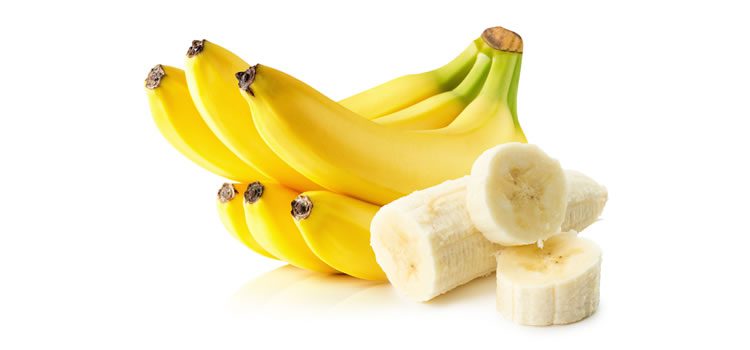
Bananas sneak onto the list of foods that cause constipation despite offering numerous health benefits like moderating blood sugar and helping the body feel satiated. It’s important to understand that only under-ripe bananas are responsible for causing constipation.
Unripe, green bananas are loaded with a type of starch that functions as an indigestible carbohydrate in the body. While one unripe banana may not hurt, constantly eating green bananas will create a cumulative constipation effect in your digestive system.
The good news is that ripe bananas have the opposite effect. Ripe bananas contain natural prebiotics that support gut bacteria and promote healthy bowel movements!
Constipation Culprit #4: Coffee

Finding coffee on this list is even more confusing than learning bananas cause constipation, mainly because coffee is widely known as a diuretic. It is sometimes even recommended to relieve constipation!
However, coffee’s impact on your digestive system can change if you are dehydrated. The caffeine in coffee can aggravate dehydration, rob moisture from your colon, and trigger constipation. So if you regularly imbibe a cup (or two) of joe and are having a tough time going, it might be a good idea to cut back.
Constipation Culprit #5: Sugar

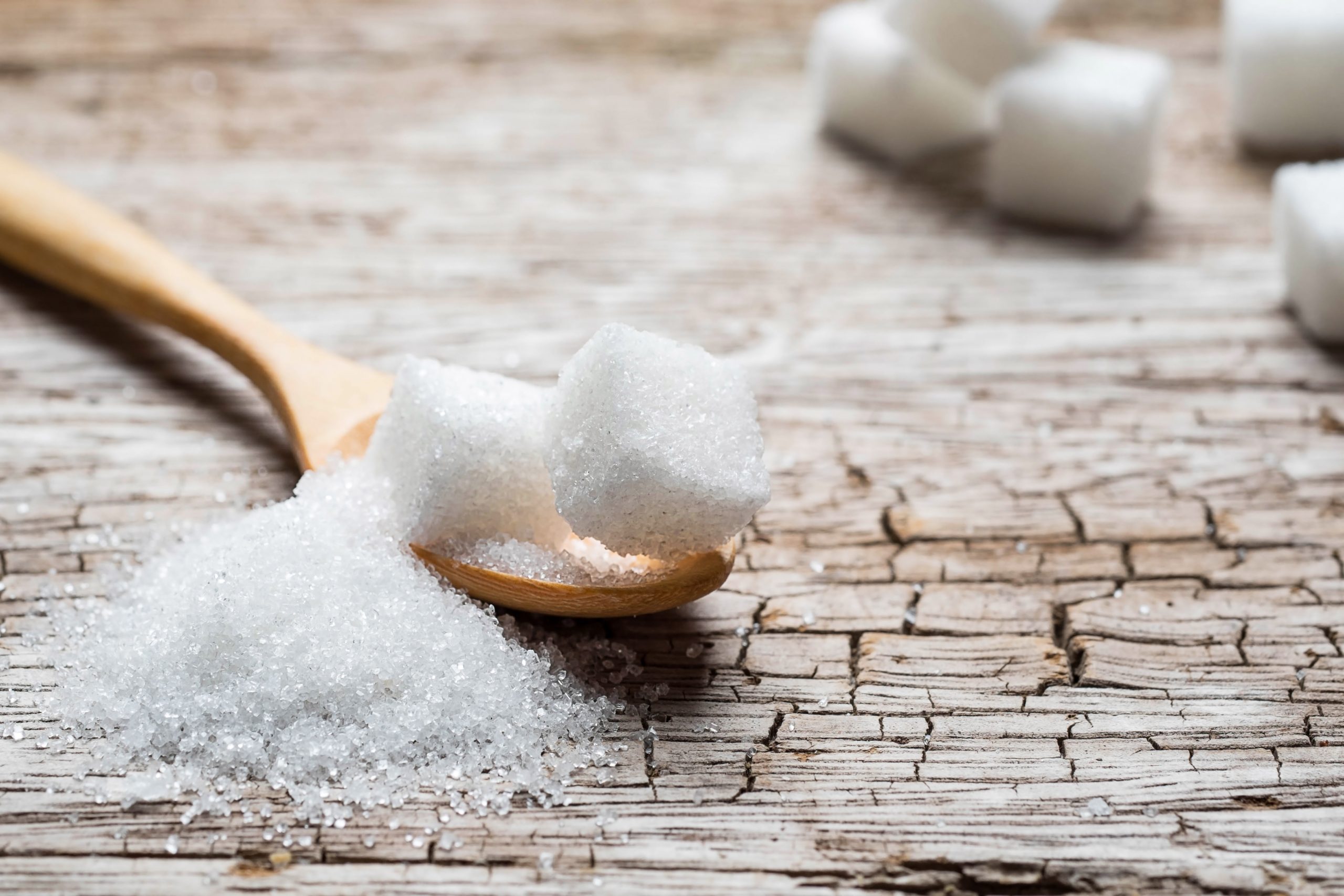
Refined sugar is the enemy of a healthy, regular body. Sugary foods like cakes, cookies, and candy are typically high in fat and low in fiber — a surefire equation for constipation.
Sugar also threatens the integrity of your digestive system and triggers cravings for other unhealthy foods likely to also cause constipation. Other good reasons to cut back on sugar: faster fat loss, improved overall health, and a lowered risk of heart disease.
Constipation Culprit #6: Fast Food

You don’t need a reminder that fast food is terrible for your heart health, but remember that it also brings your digestive process to a halt. Fried chicken, burgers, and other greasy foods served to you in a bag are soaked in trans fats and saturated fats that move like molasses through your insides.
The extremely high salt content of fast food also steals water from your intestines in order to hydrate your bloodstream in the presence of excess sodium. This results in dry stool that is much harder to push through the body.
To make matters worse, if one or more of your meals consists of fast food, it’s unlikely that you are consuming enough fiber to stay regular or combat the effects of fatty foods.
Constipation Culprit #7: White Rice

White rice may be a Chinese food favorite, but it has its downsides. Since the husk, bran, and germ have all been removed from white rice, this food is devoid of the fiber and nutrients needed to push it through your digestive system. If you’re craving rice, opt for fiber-rich brown rice instead.
Constipation Culprit #8: Alcohol

As with coffee, alcohol can cause dehydration, which leads to constipation. Alcohol interferes with the mechanisms that control hydration in your body.
Under normal circumstances, your body senses when water levels become too low and salt levels increase in concentration. It reacts by stimulating the production of AHD to prevent urination. Alcohol turns this careful process on its head by encouraging urination even if you are becoming dehydrated.
As alcohol forces your kidneys to produce an unusual amount of urine, your body steals water from the large intestine to maintain essential metabolic actions. The result? Hard, dry stool and uncomfortable constipation.
More Fiber, More Flushing
The constipating effects of these foods can be prevented simply by choosing healthier fiber-rich foods on a regular basis. Leafy green vegetables, legumes, apples, and peaches are just a few of the delicious, healthy, and satisfying choices that get your digestive system moving.
The amount of fiber you should consume depends on your unique needs. Women should consume about 25 grams of daily dietary fiber, while men should aim for 38 grams per day.
Unfortunately, most Americans consume only 16 grams of fiber per day — far below the recommended amount. No wonder so many of us are constipated!

The Best Formula for Constipation
The best formula for constipation is one that works fast without being harsh—and that’s exactly what Total Bowel Release is designed to do. This advanced, doctor-formulated cleanse combines magnesium citrate with natural ingredients like slippery elm bark, ginger root, fennel seed, and senna leaf to gently support complete bowel emptying.
Magnesium citrate helps draw water into the intestines to soften stool, while senna leaf and slippery elm promote natural movement and muscle contractions in the colon. This unique blend targets occasional constipation, bloating, and the heavy “backed up” feeling without causing discomfort or urgent sprints to the bathroom.
The Best Juice for Constipation
Juice can also be used to alleviate constipation naturally since certain juices contain enough sorbitol to increase the water content and frequency of bowel movements.
The best juice for constipation is prune juice. Each 8-ounce glass of prune juice contains 10% of your daily fiber requirement. While the fiber bulks up your stool, the sorbitol in prune juice softens stool to make it easier to pass.
Preventing Future Constipation
Constipation is miserable, uncomfortable, and embarrassing, but simple dietary changes can help you prevent constipation in the future.
Start by cutting culprits like dairy, refined sugars, and processed grains from your diet. Replace them with foods higher in fiber and supplement with Total Bowel Release and prune juice to combat any existing constipation.
It won’t take long at all to rejuvenate a healthier, more regular digestive system.
Eliminate Wastes & Toxins in Your Body NOW!

Do you suffer from intestinal aches and pains? Are your cholesterol levels through the roof? Do you have unwanted fat?
This Total Cleansing Formula is designed to gently flush toxins and waste from your digestive system. Total Bowel Release helps:
- Detoxify By Eliminating Wastes and Toxins
- Support Digestive System Health
- Promote a Mild Laxative Effect for Occasional Constipation Relief
- Promote Healthy Weight Loss
CLICK HERE TO LEARN MORE ABOUT TOTAL BOWEL RELEASE.