
If you want to look and feel your best, then it’s a good idea to eat plenty of probiotic foods.
Probiotic foods like yogurt, kefir, sauerkraut and kimchi repopulate your digestive system with good bacteria, or probiotics.
And these probiotics have been shown to support gentle digestion, clear skin, stronger immunity and improved overall health.
But what about prebiotics?
No, I’m not repeating myself.
Even though they sound similar, prebiotics are very different from probiotics.
But prebiotics are just as important as probiotics at helping you look and feel your best.
In this article we’ll look at what prebiotics do for your health, why you need them and the # best prebiotic foods to add to your diet.
Probiotics and Prebiotics:
What’s the Difference?
Probiotics and prebiotics play different, but complementary, roles in your health. To put it simply:
- Probiotics: Live, beneficial bacteria living in your gut. You can get probiotics through the foods you eat and supplements.
- Prebiotics: Non-digestible, plant-based fiber. Probiotics living in your gut eat this fiber.
In other words, prebiotics are the food that fuels your probiotics. And you’ve got A LOT of probiotics living in your gut.
Scientists estimate there are over 100 trillion probiotics living in your gut. And you might be surprised at all the ways these probiotics affect your health. (1)
How Do Probiotics Affect Your Health?
Probiotics affect your health in a variety of ways.
For example, did you know 70%-80% of your immune system is located in your gut?
That means probiotics living in your gut are your body’s first line of defense against sickness and disease. (2)
But probiotics can also:
- Enhance digestion and absorption of nutrients
- Support high energy levels
- Promote clear, healthy skin
- Ease anxiety, stress and depression
- Soothe Irritable Bowel Syndrome
- And much more
As you can see, the probiotics living in your gut do a lot for your health.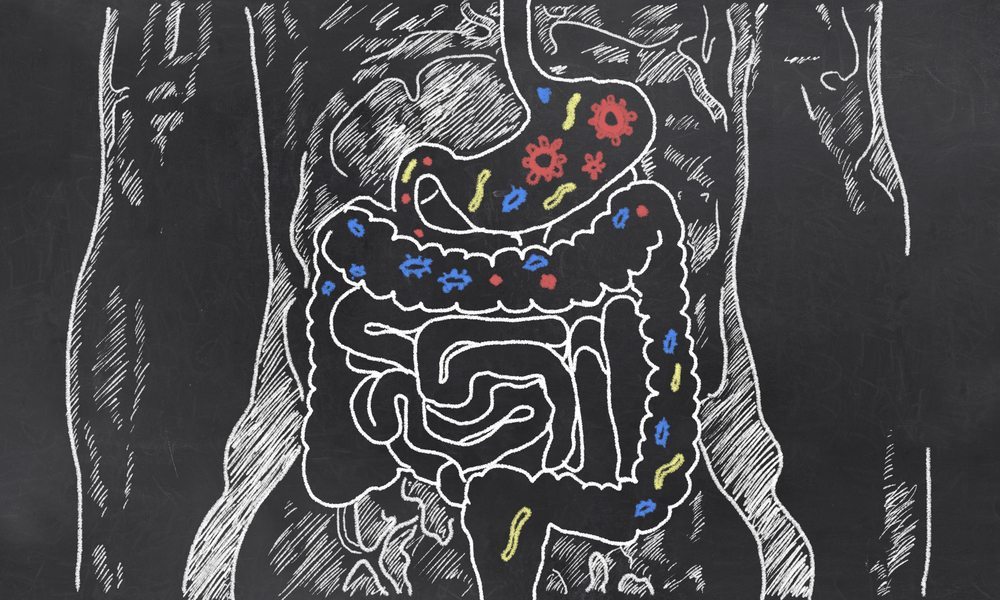
But in order for probiotics to do everything they can for your health, they need the right fuel. That’s where the foods you eat come into play.
What Does Food Do To Your Probiotics?
The food you eat determines if you experience all the health benefits probiotics have to offer, or if you miss out.
Eat a steady diet of high-sugar, high-carbohydrate foods (think: anything served in a bag or box) and you’ll starve your probiotics. That’s because probiotics can’t grow or reproduce on these foods.
But that’s not even the worst part…
Eating high-sugar, high-carbohydrate foods fuels the BAD bacteria living in your gut — yep, you’ve got more than probiotics living down there.
When these bad bacteria overtake your gut you experience symptoms like gas, bloating, constipation, diarrhea, leaky gut, and Irritable Bowel Syndrome.
Today, roughly 80% of the U.S. population endures symptoms like those on a weekly, if not daily, basis.
And the reason why is mostly because they never knew their diet was fueling an explosion of Candida and other bad bacteria in their gut.
Fortunately, if you experience awful digestive problems like gas, bloating, and diarrhea, there’s something you can do.
You can improve your digestive health by giving your probiotics the support they need. And you can do that by eating more prebiotic foods.
Prebiotics: The Foods That Fuel Your Probiotics
The good news is, you don’t have to go out and buy a bunch of expensive supplements to get the prebiotics you need.
Think about it:
With 100 TRILLION probiotics living in your gut, is it really possible to feed them all with a couple of tiny prebiotic supplements? I don’t think so.
A better idea is to get your prebiotics from the foods you eat.
Remember, prebiotics are a type of non-digestible, plant-based fiber. They can be found in vegetables, fruits and legumes.
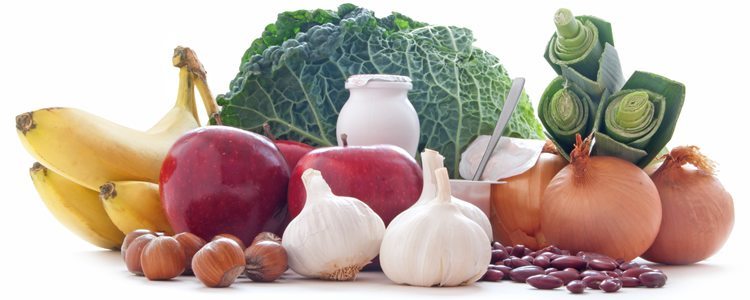
Foods that are a good source of prebiotics include:
- Oats
- Bananas
- Asparagus
- Berries
- Dandelion greens
- Garlic
- Leeks
- Onions
- Acacia gum (gum arabic)
- Jerusalem artichokes (different from regular artichokes)
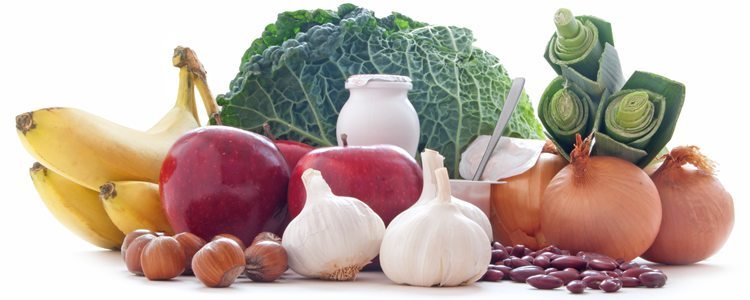
Here are a few suggested ways to incorporate these foods into your diet.
How To Add Prebiotic Foods To Your Diet
Onions: Onions are easy to sautee in a frying pan or grill on the BBQ. If you’re looking for a spicy kick, try adding raw onions to sandwiches and salads.
Unripe bananas: Grab a banana when it’s not quite ripe (still green) and toss it in your next smoothie. Unripe bananas are loaded with prebiotics.
Raw garlic: My favorite way to eat raw garlic is crushing a couple of cloves and tossing it into a bowl of pasta. If you’re trying to cut back on carbs, try mixing raw garlic and olive oil for a delicious, homemade salad dressing.
Berries: Berries like strawberries, raspberries and blueberries aren’t just tasty, guilt-free snacking. They’re also a great source of prebiotics. Enjoy a handful today!
Incorporating more prebiotic foods in your diet just makes a lot of sense.
Prebiotic foods are the precious fuel your probiotics need to provide all of their amazing health benefits.
But what if you don’t have enough probiotics living in your gut?
If suffer gas, bloating, stomach cramps, constipation, and diarrhea more than twice a month, your symptoms could be a red flag that something is wrong in your gut.
You may not have all of the probiotics you need. Or worse, your gut could be overrun by bad bacteria like Candida.
Happily, there’s something you can do to flood your gut with live, healthy probiotics. So you can begin enjoying your best health right now.
And the easiest way I know of to get the probiotics you need is by taking a high-quality probiotic supplement.
Fix your digestion from the inside out—start here