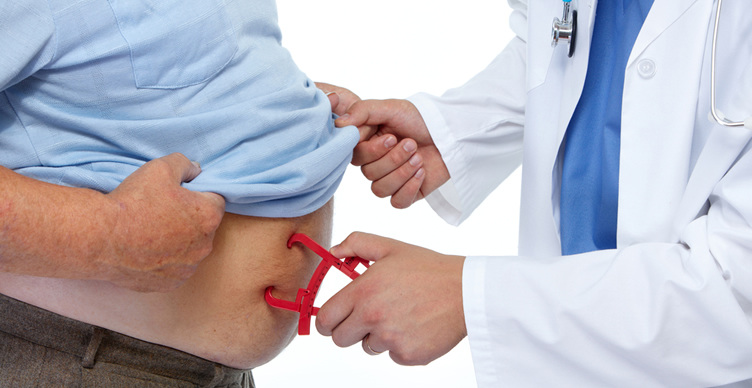

Here’s what aging in America looks like right now:
- Between 2003 and 2013 the U.S. population age 60 and over increased 30.7% from 48.1 million to 62.8 million.
- The number of Americans aged 45 to 64 — who will reach 65 over the next two decades — increased by 20.7% between 2003 and 2013.
- Persons reaching age 65 have an average life expectancy of an additional 19.3 years (20.5 years for females and 17.9 years for males). [1]
The facts are clear:
America’s population is getting older and we’re living longer than ever.
That’s why no matter how old you are today, it’s a good idea to practice health habits that will support your vitality and independence for years to come. And that’s where this article can help…
16 Anti-Aging Secrets
Like it or not, aging is a fact of life. There’s nothing we can do to slow down the ticking hands of time. But, that doesn’t mean we’re all aging at the same speed.
Have you ever wondered why some people look years younger than their true age? Or why other folks seem to have more energy now than they did in college?
Aging well (and even looking and feeling younger tomorrow than you do today) isn’t about having good genes… or a great plastic surgeon. It’s about making smart choices; and taking advantage of secrets a lot of people simply never discover.
If you agree that age is just a number, and you believe you deserve to look and feel AWESOME no matter how many birthdays you’ve celebrated, then you’ll want to keep reading to discover:

- A yummy breakfast food that slashes your risk of heart disease by fifteen percent…
- French wine or Chilean wine: is one better at fighting cancer than the other?
- NEVER dry your hair with a cotton towel! Use this instead…
- Even if you avoid junk food you could be eating yourself to an early grave. Here’s why…
- Peanuts as a precious Elixir of Life? YES! Here’s what researchers discovered…
- And so much more!
Sound good? Then let’s get right to it!
1. Eat Your Way to More Energy
You’ve probably heard some people (even doctors) saying that feeling worn out and run down is just part of the territory as we get older. Phooey.
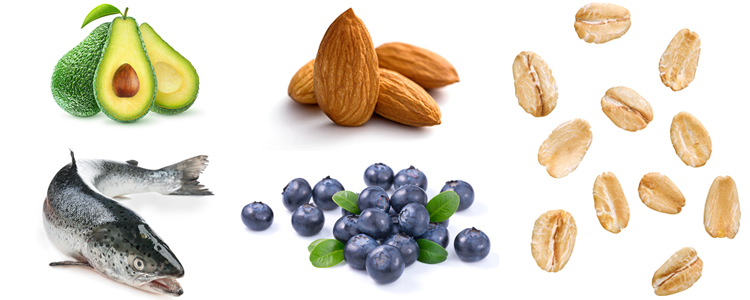
You don’t have to accept fatigue as the price of aging. Fill your plate with at least two of these edible energizers daily for more of the “get up and go” you need to enjoy life to the fullest!
Salmon (3 0z): A great source of protein which revs up your metabolism and increases energy.
Avocado (½ avocado): In addition to tasting great, avocado is a rich source of fatty acids that soothe inflammation linked to fatigue.
Blueberries (½ cup): Loaded with antioxidants that combat free radicals that can ravage your cells and trigger fatigue. Plus, healthy carbs fuel your body without adding too much sugar. An ideal mid-afternoon snack.
Oats (1 cup cooked): A great source of fiber and protein, oats eaten for breakfast “stick to your bones” and give you energy all day by stabilizing blood sugar.
Almonds (⅓ cup): Another fantastic snack option, almonds are packed with magnesium, a mineral that helps convert sugar into energy.
2. …But don’t over do it.
Does how much you eat affect how long you live? You bet it does.
You need food to survive, but the act of metabolizing that food into energy actually puts stress on your system. In fact, the stress can be so great that the National Institute on Aging has linked overeating to a shorter lifespan and serious health issues like cardiovascular disease and type 2 diabetes. [2]
For a long, healthy life it’s best to eat a sensible amount of vegetables, fruits, whole grains and animal-based protein sources (especially wild caught fish).
3. Exercise regularly.

As young as age 35, we begin to lose muscle mass – and we lose it at a rapid rate. It quite literally melts right off our body… and with it much of our energy, strength and confidence.
According to The Journals of Gerontology, after turning 50 a person can expect to lose 1% – 2% of their muscle mass every year. A clear relationship exists between loss of muscle strength and loss of independence, contributing to falls, fractures and folks spending their golden years in nursing homes.
One way to protect yourself against age-related muscle loss (a condition known as “sarcopenia’) is with regular activity. Exercise — resistance workouts especially — can increase lean muscle mass and strength, all the way into your nineties!
Plus, staying physically active may also reduce age-related memory loss. [3] How’s that for a win-win!
4. Two minute fitness plan.
Get this: In total, Americans sit a whopping 13 hours per day on average. And all that time on our derrieres could be destroying our health.
Mayo clinic reports that sitting for long periods of time can put you at greater risk for obesity, belly fat, high blood sugar, and early death from cardiovascular disease and cancer.
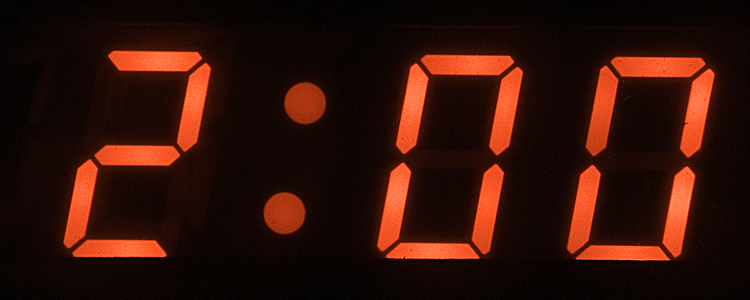
But a 2015 study showed that moving two minutes for every hour you sit can slash your risk of death by a full thirty-three percent. [4] So get up, get out, and get moving a few minutes each day.
5. Reduce cancer risk with red wine from THIS country.
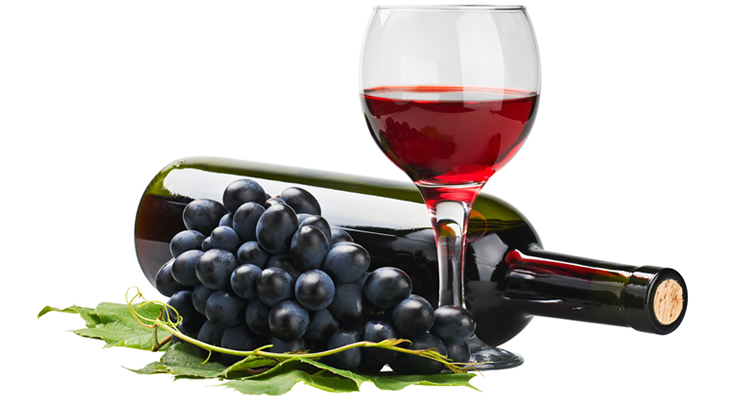
Evidence suggests red wine can help you lose weight; turns out it has powerful anti-cancer properties too.
Red wine is rich in flavonoids, antioxidants that neutralize cancer-causing free radicals. But to get the best anti-cancer benefits with every glass, you can’t sip just any red wine:
Chilean cabernet sauvignon is 38% higher in flavonoids than French red. So next time you’re in the wine aisle skip the expensive French wines and opt for the healthier (and more wallet-friendly) Chilean wines instead.
6. Lose weight with vitamins?
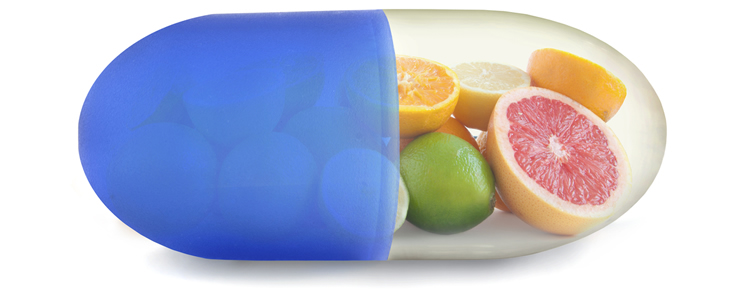
If you’re finding it harder to win the battle of the bulge as you age, a vitamin deficiency could be to blame.
A 2015 study published in the Journal of the American College of Nutrition found that obese people consume up to 12% fewer vitamins and minerals, compared with adults of an ideal body weight.
Vitamins like A and D are crucial for weight control because they help regulate hormones and fat cells. About 40% of adults are low in some nutrients; to make sure you’re not missing out consider supplementing with a high-quality multivitamin.
7. Peanuts as a precious Elixir of Life?
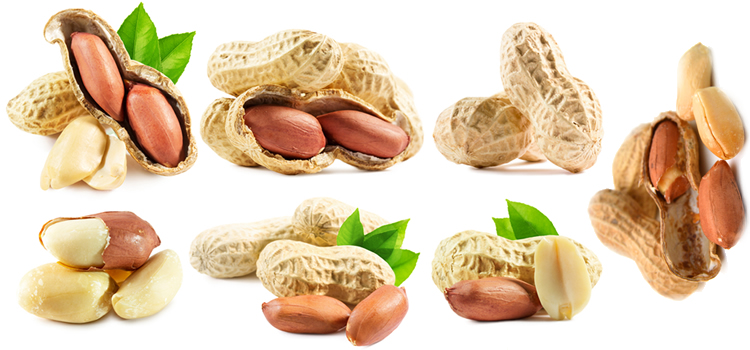
Turns out the lowly peanut may be good for much more than just slapping together a PBJ for your kids or grandkids. Researchers at Vanderbilt University recently made a remarkable study about peanuts and living a long, vibrant life:
When researchers tracked the diets of 70,000 Americans for 5 ½ years, they found that folks who ate the most peanuts had a 21% lower risk of death than those who ate the least. What’s so great about peanuts?
They’re an excellent source of unsaturated fatty acids, fiber, and antioxidants, all of which benefit your heart health. Just a small handful daily is all it takes for you to enjoy similar benefits. [5]
8. Banish under eye bags.

Nothing adds unwanted years to your face like dark, puffy circles under your eyes. To banish under eye bags, reduce your salt intake, guzzle more water and check to see if certain foods — wheat, dairy and alcohol, for example — are triggering inflammation.
9. Toss your cotton towels.
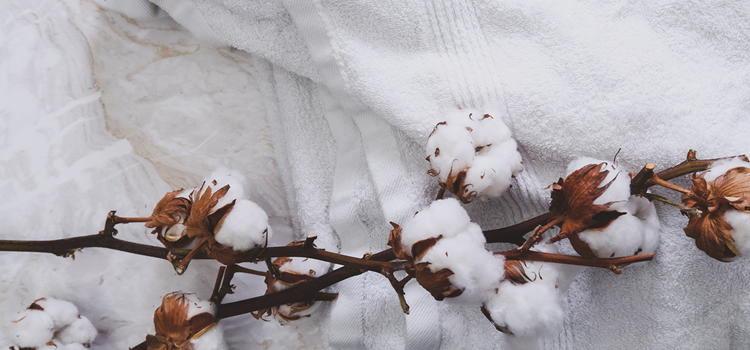
For thick locks you’ll want to avoid drying your hair with a cotton towel. Why? The cotton fibers and loops snag your hair, pull it up by the roots and make frizz a serious problem.
What to do instead? Use a microfiber towel. It will quickly absorb wetness without damaging your hair.
10. Spare your skin from the sun.

Spending too much time out in the sun without protection can cause you to wrinkle like a raisin — and it can dramatically increase your risk of cancer.
Wear sunscreen daily. Look for a product with zinc oxide (for broad-spectrum sun protection) and an SPF of 30 or higher.
11. Spend time with friends and family.

No one can make us smile (or drive us crazy) quite like our closest friends and family, but those relationships don’t just add to our quality of life — they can help us live longer too.
Studies have shown that people with strong social ties have a 50 percent higher chance of living longer than those with few or poor relationships. [6]
12. Spice up your brain health.

Did you know that Americans are 8 times more likely to get Alzheimer’s disease than people in India?
How can this be?
Some health experts believe it may be due to turmeric, a super spice that’s the key ingredient in India’s curry-based diet. We’ve already written about the terrific health benefits of turmeric, but here’s the short version:
Turmeric contains a compound called curcumin that may aid in preventing Alzheimer’s thanks to its powerful anti-inflammatory properties. A teaspoon of turmeric tastes great on baked potatoes, salmon, or in a refreshing drink.
13. Live longer with help from this vitamin.
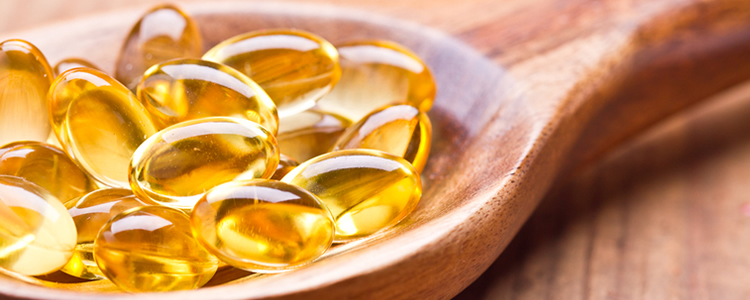
A 2014 meta-analysis of 8 different studies discovered something exciting about vitamin D. This meta-analysis discovered that vitamin D supplementation may decrease overall mortality in older adults.
Supplementing with vitamin D may be an easy way to help you live longer. Aim for at least 500 International Units of vitamin D3 (125% Daily Value) to ensure you don’t miss out on the incredible longevity benefits of this vitamin.
14. Stay positive!
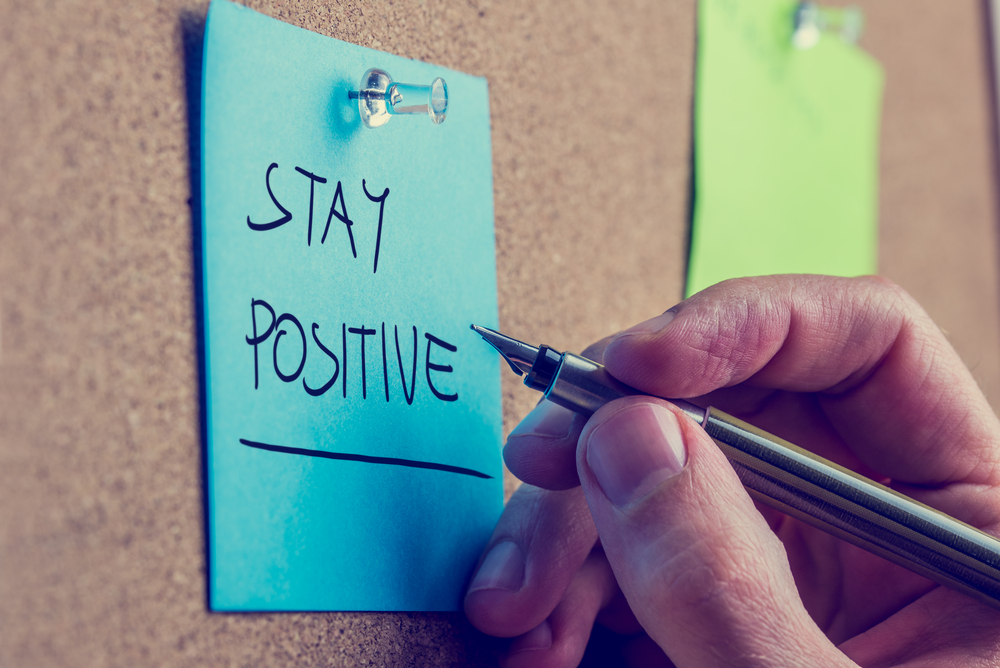
You’ve heard the expression “You’re only as old as you think you are”, right? Turns out that’s a lot more than just fortune cookie wisdom and much closer to the truth.
According to the Journal of the American Medical Association, older folks who think of age as a path to wisdom and overall satisfaction are 44 percent more likely to recover from a disability than those who see aging as synonymous with helplessness and uselessness.
Everything in your life — your health, wealth, and happiness — began first as a thought. And you’d be amazed at how shifting your mindset can have profound effects in all parts of your life.
Try starting and ending each day with these positive affirmations:
- I only think positive thoughts.
- I’m in perfect health.
- I attract success.
- Success comes easily to me.
- Health, wealth, and happiness flow to me from every direction.
15. Eat oatmeal for extra birthdays.
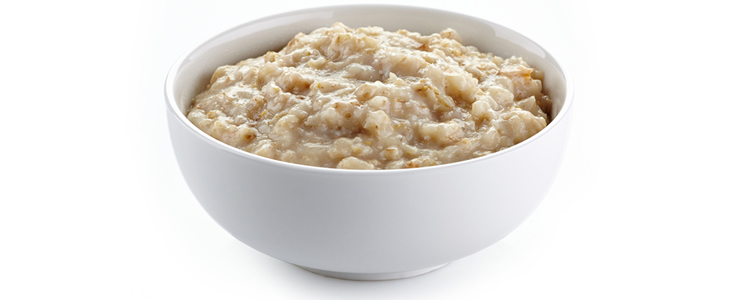
When morning hunger hits skip the breakfast bars or cereal (they’re loaded with high fructose corn syrup) and dig into a bowl of oatmeal instead. Just ⅛ cup of uncooked oats is good for a serving of whole grains, but that’s not even the best part…
According to a study from the Harvard School of Public Health, a daily serving of whole grains reduces your risk of death (especially cardiovascular disease-related death) by fifteen percent. [7]
16. Don’t skimp on sleep.

Turns out the real fountain of youth might be in your bedroom. When you snooze, your body releases a growth hormone that helps restore collagen and elastin, the essential building blocks of smooth, youthful-looking skin.
Here’s even more reasons to get at least seven to nine hours of precious sleep per night: Not getting enough sleep puts you at higher risk for obesity, heart disease, and diabetes. [8]
According to a Gallup poll, 40 percent of Americans get less than 7 hours of sleep per night. If you’re serious about aging gracefully (plus looking and feeling radiant and healthy right now), you can’t afford to skimp on sleep.
Now It’s Your Turn
Everyone ages. But not everyone ages as well as they could. Use the tips in this article to remain vital and independent now and for years to come.
Your turn: What are some of your favorite “stay young” secrets? Please let us know in the comments section! And if you found this article helpful, please share it using one of the social icons (Facebook, Google+, etc.) below. Thanks!