

Belly bloat makes you look like you swallowed a beach ball. Bad news if you want a slim, sexy stomach next time you slip into a swimsuit or your favorite pair of jeans.
And if you’ve ever had a bloated belly you know it doesn’t just look bad — it hurts, too!
One in three people complain of routine bloating. This is a widespread problem. Fortunately, it’s not a problem you have to live with any longer.
Do you want a flatter belly, fast?
Here are 10 proven ways to get rid of belly bloat.
How to Reduce Belly Bloat: 10 Tips for a Flatter Tummy!
1. Say “No” To Soda
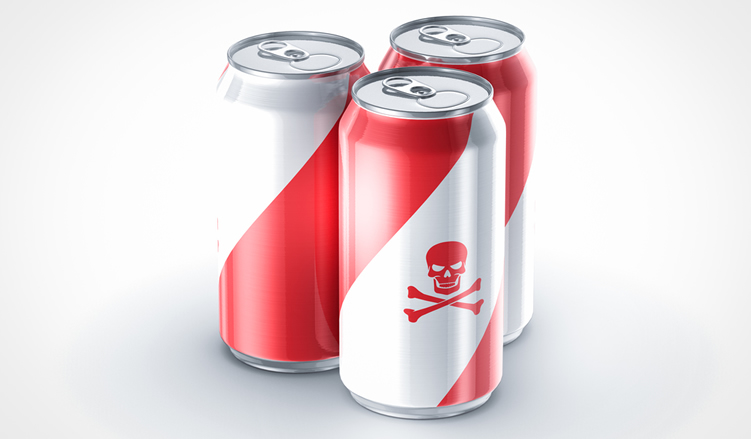
Obesity. Metabolic syndrome. Type 2 diabetes. Rotten teeth. These are a handful of reasons to just say “no” to soda. Here’s another reason you can add to that list: belly bloat.
The fizzy bubbles in soda, diet soda, and other carbonated beverages can swell your waistline by trapping gas in your digestive system.
Go with purified water and a lemon wedge as a refreshing alternative.
Another option is a warm cup of peppermint tea which the University of Maryland Medical Center recommends for bloating, gas, irritable bowel syndrome, and other digestive problems.
2. Stop And Smell The Roast Beef
You’ve probably heard the expression “Stop and smell the roses”, right? It just means slow down so you don’t miss out on what life has to offer. Fall in love with the journey, not just the destination.
It’s great advice.
And if you want to reduce bloating, I encourage you to stop and smell the roast beef.
Wolfing down your meal and not chewing your food well can cause you to gulp down air — and that can make you bloated.
Give yourself at least 30 minutes at mealtime. You’ll enjoy your food more. And as an added bonus, studies suggest that when we eat more slowly, we tend to eat less.
3. Avoid Constipation
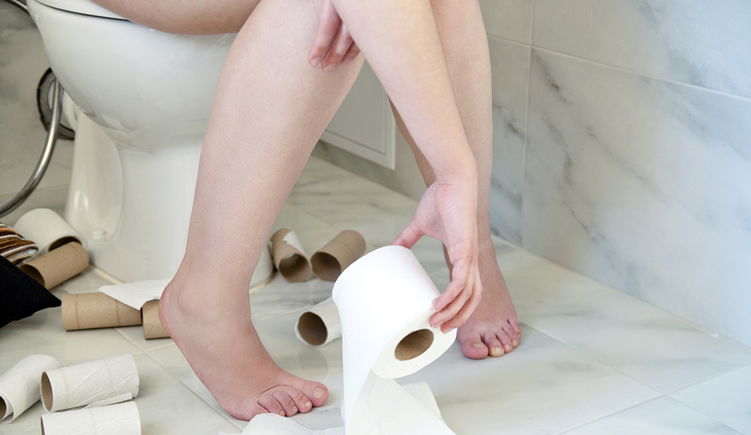
Constipation is a common, uncomfortable problem that can make bloating much worse.
Causes of constipation included not eating enough soluble fiber, not drinking enough water, and not getting enough activity. Another problem is eating too many constipation causing foods.
Women are more likely to suffer from constipation than men. This is because food moves more slowly through a woman’s intestines, as well as the way female hormones influence the GI tract.
To avoid constipation, add more whole grains, seeds, nuts, fruits and veggies to your diet. These high-fiber foods will help clear up any traffic jams “downtown”. Also, drink at least 8 glasses of purified water every day.
If you don’t drink enough water when you start eating more fiber it can actually make make your constipation and bloating issues worse.
4. Chill Out

Did you know your Netflix queue could actually help you reduce belly bloat? Yep!
A stressed-out brain can lead to a whole host of digestive problems including heartburn, constipation, gas, irritable bowel syndrome, and bloating.
To help reduce stress it’s important to include daily stress-relief habits like meditation, deep breathing, prayer, reading, yoga, or curling up with your favorite TV show or movie.
One of the very best relaxation techniques is good ol’ sleep. A deep, restful sleep (7 — 8 hours of shuteye per night) is like sending your brain on an all-expenses-paid vacation to the white sand beaches of Waikiki.
Not only will you wake up feeling rested and refreshed, you’ll also find it easier to manage bloating and other digestive health issues.
5. Dining Out? Order Your Meal This Way
We’re a nation of overeaters.
Researcher Boyd Swinburn of the World Health Organization blames overeating as the #1 reason for America’s obesity epidemic.
Even if you’re a relatively slim, overeating will bloat your stomach and make you look pounds heavier than your true weight.
For me, I find that I’m most at risk of overeating when I dine out. So here’s a tip:
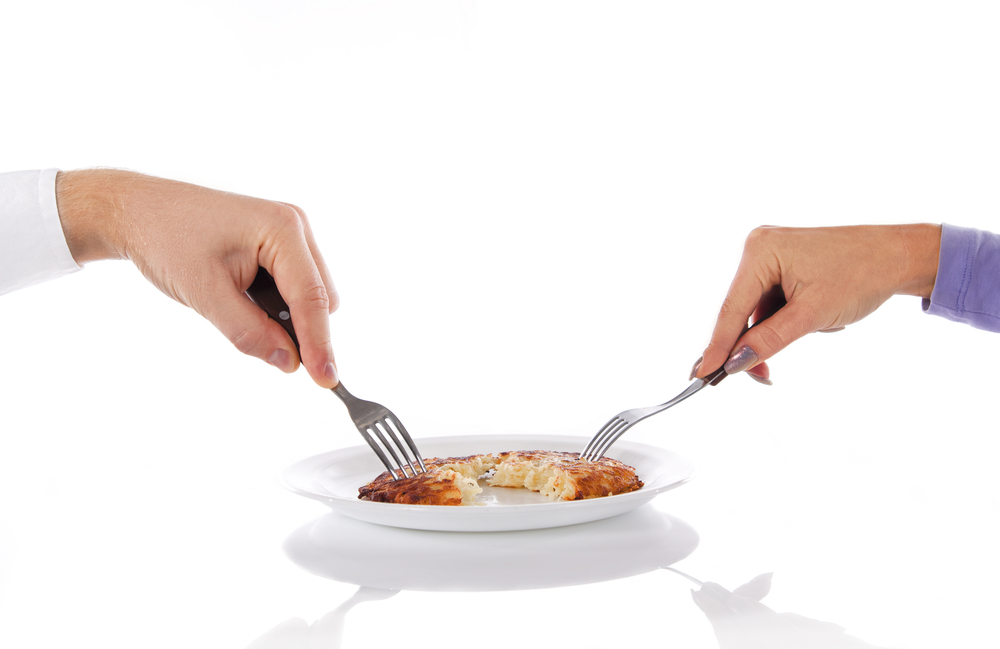
Next time you visit your favorite restaurant, ask to have half of your meal brought to the table in a take out box.
Restaurants keep increasing portion sizes as a way to compete for our dollars. That might be good news for your wallet, but it’s TERRIBLE for your waistline.
By splitting your meal this way you’ll get your money’s worth, and you’ll avoid the risk of overeating. A delicious win-win!
6. Nix Your Midnight Snack

Imagine being on your feet all day. No breaks. No rest. You’d be exhausted! And, let’s be real, probably a little cranky.
You need adequate rest to look and feel your best, and your belly is no different. The best time to tuck your tummy in for the night? After your evening meal. Develop a habit of resting your digestive system for 10 — 12 hours per night.
If you finish supper at 7 pm, make your next meal breakfast, NOT a midnight snack.
7. Spit Out Your Chewing Gum
Do you have a chewing gum habit? It could be contributing to your belly bloat.
Like eating too quickly, chewing gum can cause you to swallow air, which can cause bloating.
Why not try sucking on a piece of peppermint instead? You’ll gulp down less air and the peppermint may have a calming effect on your digestive system.
8. Take A Pass On Salt

Salt is the #1 food additive here in the U.S. (Sugar is close behind at #2.)
Americans eat way too much salt. In fact, the American Heart Association reports that 90% of Americans have too much salt in their diet.
You know that consuming too much sodium can increase your risk of high blood pressure, stroke, heart failure, and stomach cancer. Did you know it can also trigger bloating?
Eating foods that are loaded with sodium can lead to fluid buildup, which can make you bloated and uncomfortable. My advice? Skip highly processed foods like chips, frozen meals, and fast food that tend to be both high in sodium and low in fiber.
Noshing on these “Franken-foods” can puff you up and force your heart to work overtime. Also, get into the habit of reading food labels when you’re grocery shopping to see which foods are secretly stuffed with salt.
WebMD recommends that when buying “processed, canned, or frozen goods, to shoot for no more than 500 mg of sodium per serving in any product”.
9. Be Careful With Sugar Alcohols
Sugar is added to 80% of the foods in America.
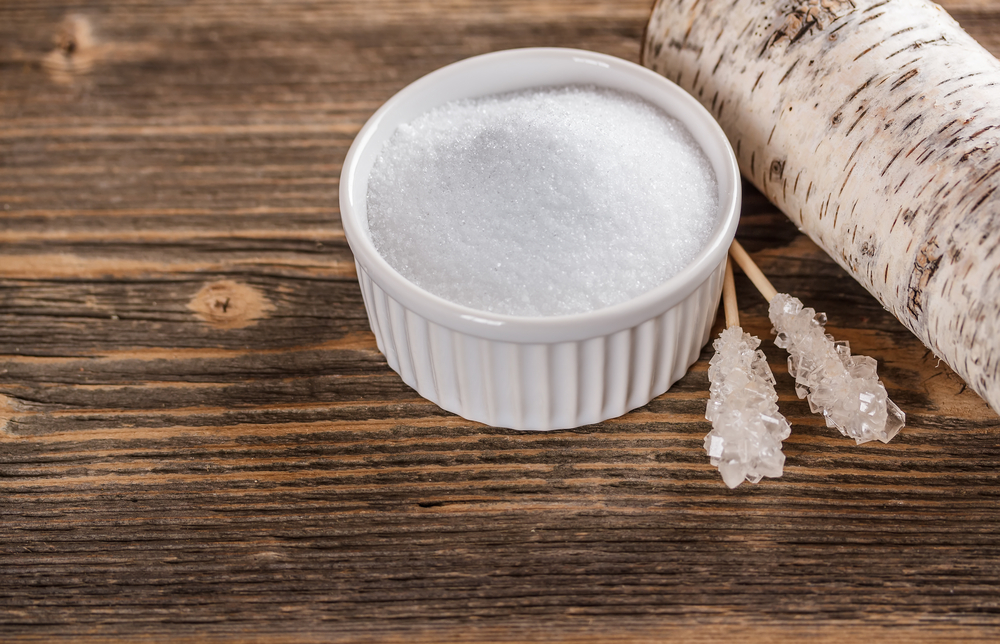
All that sugar is bad news for your health, but “sugar-free” foods come with their own problems. They can cause belly bloat, for example.
Food manufacturers often use sugar alcohols like xylitol, sorbitol, and mannitol to sweeten their sugar-free products.
These sugar alcohols can cause bloating because they tend to be digested in the large intestines — where they produce gas that can puff up your tummy like a hot air balloon.
Limit your intake of sugar-free foods that contain sugar alcohols — or, even better, try to avoid them completely.
10. Boost Your Belly Bacteria
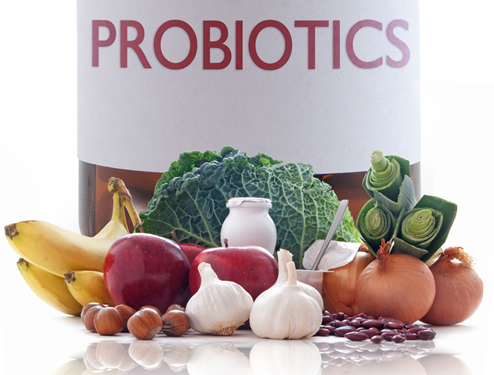
Your belly is home to trillions of microscopic bacteria.
Some of these bacteria are good; others are troublemakers. Your good bacteria — known as probiotics — impact everything from your digestion, immune response, energy levels, even your mood!
When the balance of good and bad bacteria living in your digestive system is out of whack, you suffer all sorts of problems including indigestion, gas, and bloating.
Boost your good belly bacteria by eating fermented foods like pickles, sauerkraut, and (my personal fave) kimchi, noshing on healthy “prebiotic” foods like bananas, asparagus, and onions, and consider adding a proven probiotic supplement to your daily routine.
Balancing the ratio of good to bad bacteria that call your belly home can reduce bloating and support your whole body health too!
Say “Bye Bye” to Bloat!
One of my favorite childhood memories is gathering with my family around the television to watch the Macy’s Thanksgiving Day Parade. Did you do that, too?
As a kid, I loved seeing giant balloon versions of Snoopy, Charlie Brown, Smurfs, Spiderman, and other characters floating down the streets of NYC. So much fun.
But you know what’s NOT fun?
What’s not fun is being so BLOATED you look and feel like one of the balloon floats in the Macy’s Thanksgiving Day Parade!
Belly bloat will make you look like a bigger, balloon version of yourself. It makes your clothes uncomfortable to wear. It makes you appear pounds heavier than your true weight.
Use the tips in this article to reduce bloating and flatten your tummy, fast!
And if you found the information in this article helpful would you please share it with your friends?
Discover the surprising reason many people experience fatigue, weight gain, and brain fog — and how supporting your liver may help improve your overall health.Watch the full presentation here.