
When people think about supporting their immune system, they often think about vitamin C, sleep, hand sanitizer, or avoiding crowded waiting rooms during cold season.
What many people do not think about is their gut.
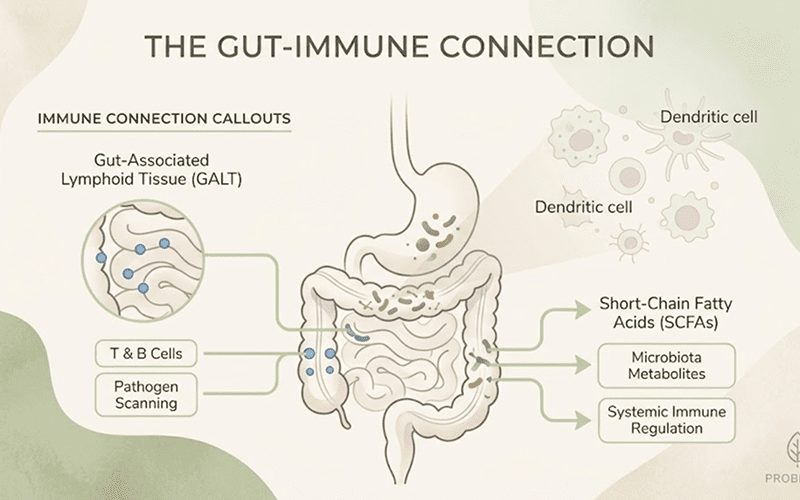
Researchers estimate that a significant amount of immune activity is connected to the digestive tract, which means the health of your gut microbiome may influence much more than digestion alone. (1)
This connection helps explain why probiotics have become one of the most studied topics in digestive wellness and immune health. Scientists continue exploring how bacteria living in the gut communicate with immune cells, influence inflammatory responses, and help maintain protective barriers inside the body.
The relationship is not simply “good bacteria equals good health.” It is more complex than that.
Understanding how probiotics interact with your immune system starts with understanding what happens inside your digestive tract every single day.
Why Your Gut Plays Such a Big Role in Immune Health
Your digestive tract houses trillions of microorganisms including bacteria, fungi, and viruses that together form the gut microbiome. (2)
This ecosystem helps regulate:
• Nutrient absorption
• Production of certain vitamins
• Communication with immune cells
• Maintenance of protective barriers
• Inflammatory responses
• Competition against potentially harmful microbes
Problems often begin when balance shifts.
Antibiotic use, illness, chronic stress, poor sleep, aging, highly processed diets, and low fiber intake may all affect microbial diversity over time.
When bacterial balance changes, digestive symptoms are often the first thing people notice. Bloating, discomfort, or irregular digestion may show up first. But researchers continue exploring how gut disruptions
may also influence immune responses throughout the body. (3)
Probiotics are beneficial microorganisms that may help support healthier microbial balance and encourage an environment where immune cells can function more effectively.
If you have focused only on immune supplements while ignoring gut health, there may be a missing piece of the puzzle.
5 Ways Probiotics May Support Immune Function
The immune system does not rely on a single process. It depends on multiple layers of protection working together. Here are five ways probiotics may influence those systems.
1. They May Strengthen Your First Line of Defense
Before harmful bacteria or viruses cause problems, your body uses protective barriers to stop them.
One important player is secretory immunoglobulin A, often called IgA.
IgA acts like a protective shield across mucosal surfaces, especially inside the digestive tract where outside substances regularly enter the body.
Research suggests probiotics may help support IgA secretion, potentially strengthening these protective barriers and supporting normal immune responses. (4)
This first line of defense often receives less attention than it deserves because people tend to think about immunity only after they become sick.
2. They May Support Antibody Production Through B Cells
B cells help create antibodies that identify and neutralize potential threats.
When pathogens enter the body, antibodies act almost like identification tags. They help other immune cells understand what needs attention.
Research suggests probiotics may influence communication between gut microbes and immune cells involved in antibody production. (3)
The goal is not necessarily more immune activity.
The goal is better coordination.
3. They Help Activate T Cells
T cells help locate infected cells and assist with controlling how infections spread.
These cells function as part of a larger network. They communicate with other immune cells, coordinate responses, and help maintain balance between activation and regulation.
Researchers continue studying how gut microbes interact with T cell activity because these relationships appear closely connected to immune signaling pathways. (5)
Healthy immune responses depend heavily on communication, and probiotics may influence some of those conversations happening inside the gut.
4. They May Support Natural Killer Cell Activity
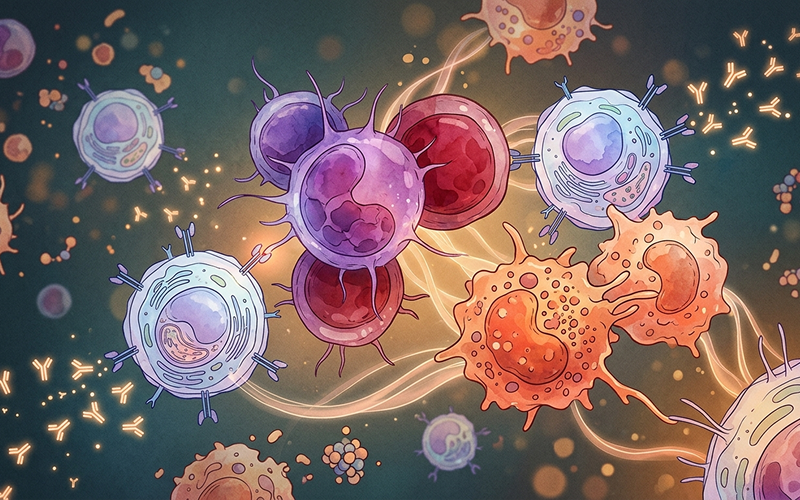
Natural killer cells, often called NK cells, belong to the body’s rapid response team.
While other immune cells build more targeted responses, NK cells help contain problems early.
Researchers continue studying how probiotics influence NK cell function because stronger early responses may help the body respond more efficiently during periods of immune stress. (6)
Think of these cells as buying time while the rest of the immune system organizes itself.
5. They May Help Regulate Inflammatory Responses
One of the biggest misconceptions about immunity is that stronger automatically means healthier.
It does not.
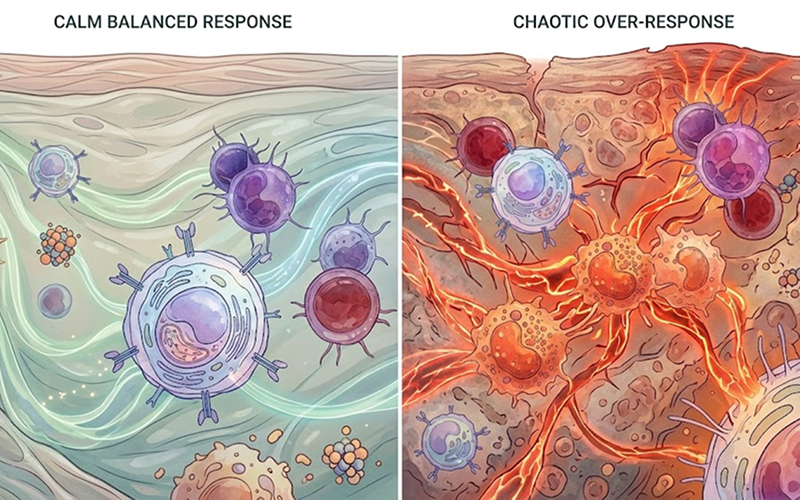
An overactive immune response can sometimes create unnecessary inflammation.
Chronic inflammation has been linked to numerous long-term health concerns, which is why regulation matters just as much as activation.
Regulatory T cells help control immune reactions so the body responds appropriately without unnecessary collateral damage.
Research suggests probiotics may help support these regulatory pathways and encourage better immune balance. (6)
Sometimes the goal is not pushing harder. Sometimes it is improving coordination.
Explore Additional Digestive Support Options
Everyday Habits That Influence Gut and Immune Health
Probiotics are only one piece of the picture.
Several daily habits shape the environment your gut bacteria live in:
• Fiber-rich foods
• Consistent sleep
• Lower stress levels
• Physical activity
• Adequate hydration
• Recovery after illness or antibiotics
Many people expect dramatic changes quickly.
Gut health usually works differently.
Small habits repeated consistently often produce more meaningful changes than short bursts of extreme routines.
Researchers increasingly view immune health as an ecosystem rather than a single action item. [1]
A Practical Takeaway
Immune health rarely depends on one magic ingredient.
Your immune system depends on communication between multiple body systems, and your digestive tract appears to be one of the major hubs.
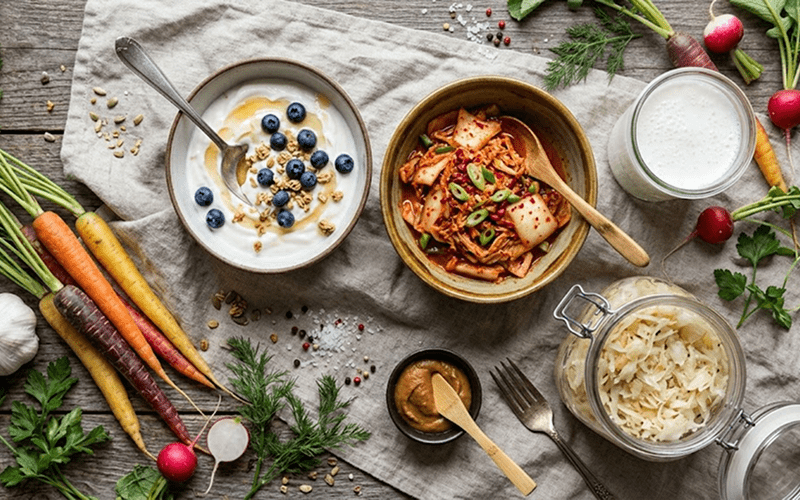
Fermented foods such as yogurt, kefir, kimchi, sauerkraut, and miso may help support microbial diversity. For some people, additional support may also be worth exploring depending on diet, lifestyle, digestive history, or antibiotic use.
Immune health is rarely isolated to one body system. Digestive health, sleep, stress levels, and even liver function all work together behind the scenes.
Consistency usually matters more than perfection.
If supporting digestion and immune health has been on your mind lately, improving gut balance may be a practical place to begin.
Learn More About Digestive Support Options
REFERENCES
[1] https://pmc.ncbi.nlm.nih.gov/articles/PMC9818925/
[2] https://www.gutmicrobiotaforhealth.com/about-gut-microbiota-info/
[3] https://www.ncbi.nlm.nih.gov/pmc/articles/PMC4006993/
[4] https://pubmed.ncbi.nlm.nih.gov/21897224/
[5] https://pubmed.ncbi.nlm.nih.gov/24912386/