

Sick and tired of feeling sick and tired? Weight loss results slowed
to a crawl?
Invisible toxins lurk in the foods we eat, the water we drink, our clothing and hygiene products, as well as the environment.
This constant assault can increase our body’s toxic load. And that can leave us feeling sick, fat, and tired.
Fortunately, simple tips to detoxify your body exist.
Here are six of our favorites.
1. Drink Water First Thing In The Morning

We’re big fans of the health benefits of coffee here at Perfect Origins.
But when it comes to AM beverages, your best bet is purified water when you’re trying to detox.
Most Americans don’t realize they’re chronically dehydrated. Not getting enough water can contribute to toxic load as well as constipation, joint pain, headaches, and other health problems.
Start your day with two 8 ounce glasses of water. Drink them slowly. This will allow your body to rehydrate from your night’s rest and also flush toxins and waste out of your system.
2. Feast On Salads

When it comes to foods for detox nothing beats a fresh salad!
Green leafy vegetables are some of the most nutrient-dense foods on the planet.
They’re loaded with vitamins, minerals, and detoxifying compounds like antioxidants that help cleanse the body of toxic build-up, allowing you to feel healthier and more energized after you eat them.
Plus, you can practically eat an unlimited amount of fresh vegetables — seriously, pile your plate high! — without worrying about putting on weight.
This will keep you feeling full and help you fight off afternoon cravings for unhealthy snacks like chips or candy bars.
Pro Tip: Take a pass on the salad dressing — most are loaded with high fructose corn syrup and other unhealthy additives.
Instead, add olive oil and balsamic vinegar to your salad. It tastes great and studies have shown that olive oil helps your body absorb nutrients from salad greens like spinach and kale.
3. Go Raw For A Few Days
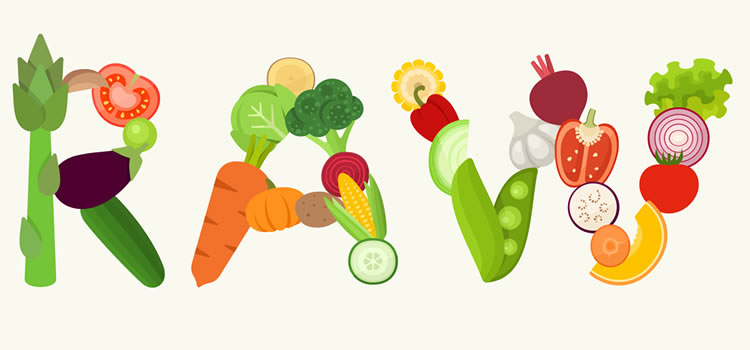
The next thing to do to help cleanse and detox your body is to consider eating just raw food for a few days.
Raw vegetables such as onions, cabbage, kale, Brussels sprouts, asparagus, artichokes, cauliflower, and carrots will all provide detoxification benefits and help to get your body functioning better.
These foods also contain sulfur compounds, which will help to ensure optimal function of the liver, which is another critical element for sustaining good health.
Is all that raw food wearing you out? Consider juicing your raw fruits and veggies instead.
4. Reduce Your Sugar Intake
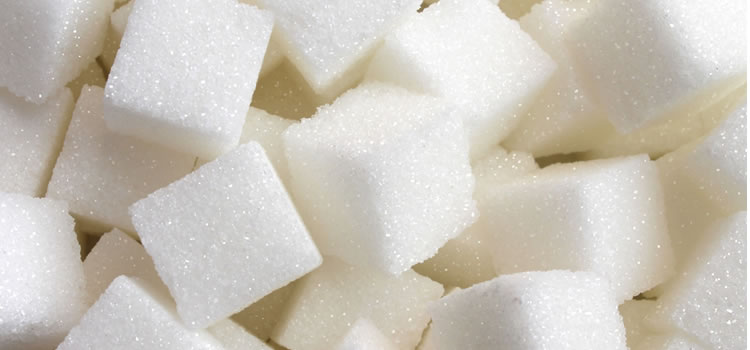
Sadly, most of us are eating more sugar than we realize. Often a lot more.
The American Heart Association recommends a maximum of 37.5 grams of added sugar (for men) and 25 grams (for women).
The typical American eats DOUBLE the recommended daily intake for added sugar.
Sugar is processed by your liver. And when your liver is working 24/7 to process sugar, it has very little time to process other toxins that enter your body.
Eating too much sugar can lead to obesity, type 2 diabetes, non-alcoholic fatty liver disease, chronic fatigue, cardiovascular disease and a raft of other serious health problems.
Soda and other sugary drinks are the #1 contributors to America’s sugar-related health problems. So if you drink soda, cut back.
Your liver will thank you for it!
==================================================================
Related Content: 6 Scary Sugar Facts
==================================================================
5. Start The Day Off With Citrus Fruits

Have a sweet tooth that needs satisfying? Skip the sugar and reach for some citrus fruits instead!
Citrus fruits are very high in vitamin C, which is a natural antioxidant that will fend off free radical damage while also strengthening the immune system.
This particular vitamin is one of the most powerful detoxifiers you can consume, so you want to make sure your diet is very high in it.
Citrus fruit can also help to improve your digestive tract function (aka better regularity) as well as assist with proper production of digestive enzymes so you get more energy from the foods you eat.
6. Get Moving!

Fact: people who exercise often have fewer toxins in their system than folks who don’t.
Regular exercise — like walking for 15 minutes four or five times per week — encourages circulation in the blood and lymph system.
This in turn will enhance digestion, lubricate stiff joints, reduce tension, and build stronger muscles and bones.
So if you want to look and feel your best you need to get up and get moving!
Don’t Let Toxins Cause You Trouble
There’s no question that today we’re living in a highly toxic environment.
According to the Environmental Protection Agency, more than 600 toxic carcinogens and chemicals were released into the environment by U.S. companies in 2011.
That amounts to 4.09 billion pounds of toxins poured into our air, water, and soil… and that number is on the rise year after year! (1)
And let’s not forget about pesticides, herbicides, antibiotics, growth hormones, PCPs and other food-borne toxins.
It’s crucial for your good health that you regularly practice some type of detoxification protocol.
Follow the simple tips in this article.
Discover the surprising reason many people experience fatigue, weight gain, and brain fog — and how supporting your liver may help improve your overall health. Watch the full presentation here.