
Many Americans worry about their heart health.
And for good reason.
Heart disease claims more lives in America than any other cause of death.
Consider these statistics from the Centers for Disease Control and Prevention [1] :
- About 610,000 people die of heart disease in America every year – that’s 1 in every 4 deaths.
- Heart disease is the leading cause of death for both men and women.
- Coronary heart disease (CHD) is the most common type of heart disease, killing over 370,000 people annually.
- Every year about 735,000 Americans have a heart attack. Of these, 525,000 are a first heart attack and 210,000 happen in people who have already had a heart attack.
These are sobering facts.
Fortunately, there’s LOTS you can do to protect the health of your heart so you can enjoy a long, vibrant life.
This article explores seven simple habits that can improve the health of that most vital of organs, your heart.
Are You At Risk For Heart Disease?
If you have high blood pressure, high cholesterol, or smoke cigarettes, then you have an increased risk of heart disease.
According to the National Center for Health Statistics, about half of Americans (47%) have at least one of these three risk factors. [2]
In addition, several other medical conditions and lifestyle factors can increase your risk of heart disease.
These include:
- Diabetes
- Overweight and obesity
- Non-alcoholic fatty liver disease
- Poor diet
- Physical inactivity
- Drinking too much alcohol.
Here at Perfect Origins we believe in sharing tools and information that empower you to make smart, healthy choices.
If you want to improve your heart health and lower your risk for heart disease, then consider practicing these seven healthy heart habits.
1. Keep A Gratitude Journal

Research shows that expressing gratitude does more than just make you feel good. It’s also good – literally good – for the heart.
Paul Mills PhD is a professor of family medicine and public health at the University of California, San Diego.
Dr. Mills has been researching heart health for decades. He knew that a positive mental attitude helps keep depression, stress, and anxiety at bay. He wondered if it was good for the heart, too.
So Dr. Mills conducted a study. [3]
For this study he recruited 186 men and women, average age 66, who had already been diagnosed with Stage B heart failure for at least three months.
Stage B means these patients had heart damage, either because of a previous heart attack or years of high blood pressure or, in some cases, because of heart infection.
Dr. Mills had these patients fill out a questionnaire to rate how grateful they felt for the people, places, and things in their lives.
When Dr. Mills ran blood tests to measure inflammation, the body’s first line of defense against injury, or plaque build up in the arteries, he found that those who were grateful had lower levels of both – an indicator of a healthier heart.
It gets even better: Dr. Mills tested 40 patients for heart disease and asked half of them to keep a journal at least five days a week, and write about two or three things they were thankful for.
Patients found all sorts of things to be thankful for, from their kids to their spouses to their jobs – and even good food.
After eight weeks, Dr. Mills retested these 40 patients and found impressive health benefits for the patients who kept a gratitude journal.
These 20 patients showed reduced levels of inflammation as well as improved heart rhythm and a decreased risk of heart disease.
“It seems that a more grateful heart is indeed a more healthy heart, says Dr. Mills, “and gratitude journaling is an easy way to support cardiac health”. [4]
2. Enjoy A Few Cups of Coffee
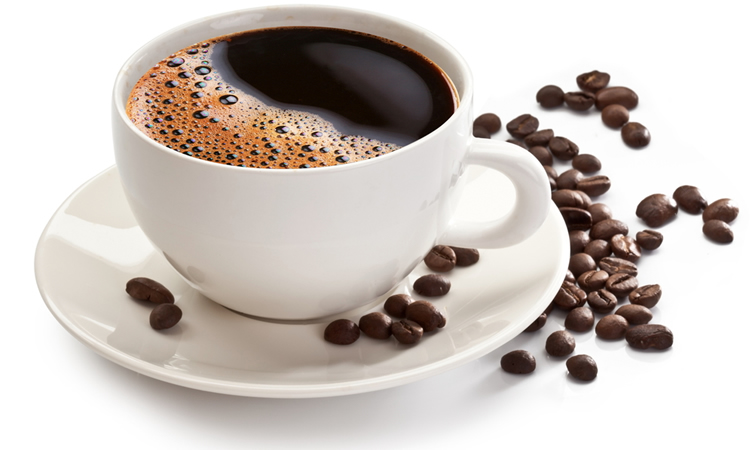
If you’re like me and you cherish a hot cup of coffee to start your day, then recent research out of the John Hopkins Bloomberg School of Public Health in Baltimore is sure to put a smile on your face.
Scientists at the university believe drinking three to five cups of coffee per day may reduce calcium build-up in the arteries, which in turn might reduce the risk of heart attack.
And there’s more evidence to support coffee as a healthy heart habit.
Dr. Gregg Fonarow, a professor of cardiology at the University of California, Los Angeles, said, “Multiple studies have shown that coffee consumption is associated with lower risk of heart attacks and strokes, with lowest risk with three to five cups of coffee a day.” [5]
For a healthier heart, enjoy your java!
3. Supplement with Magnesium

Every cell in your body needs magnesium.
The highest concentrations of magnesium in your body are found in your heart and brain, that’s why a deficiency in this crucial mineral can be so dangerous.
Magnesium is essential to your heart health because it helps maintain a normal heart rhythm. In fact, doctors often administer magnesium intravenously in hospitals to reduce the risk of atrial fibrillation and irregular heart beat.
Unfortunately, most Americans aren’t getting enough magnesium.
By some estimates, up to 80% of Americans are deficient in this vital mineral. [6]
Is it any wonder then that heart disease is our nation’s #1 killer?
The solution? A high-quality magnesium supplement.
In a study conducted by Dr. C. Noel Bairey Merz, director of the preventive and rehabilitative cardiac center at Cedars-Sinai Medical Center in Los Angeles, and published in the medical journal Circulation, it was found that daily magnesium supplements can help an ailing heart. [7]
Patients in this study supplemented with 365 mg of magnesium twice a day for six months.
Dr. Merz explains that during this time magnesium supplements enabled these heart disease patients to exercise for longer periods of time and appeared to protect their hearts from the stress of exercise.
Magnesium also rejuvenated these patient’s blood vessels and improved overall blood circulation.
Common signs of magnesium deficiency are stress, headaches, muscle cramps and spasms, insomnia, and difficulty concentrating or “brain fog”.
If you display any of these symptoms consider a magnesium supplement.
4. Eat More Chocolate… Really!
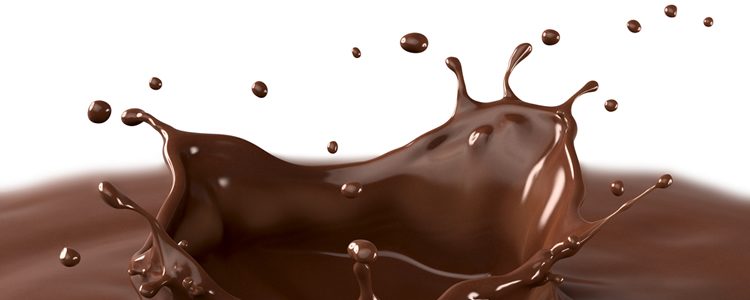
Eating up to 100 grams of dark chocolate every day has been linked to a 25% lower risk of any episode of cardiovascular disease and a 45% lower risk of associated death, according to research published in the journal Heart. [8]
Go ahead and read that again – it may be the most DELICIOUS health news you’ll hear all year!
So what makes dark chocolate good for your ticker?
Scientists believe it’s because dark chocolate is rich in flavonoids – a natural compound known for it’s heart-protecting benefits.
5. Increase Your Omega-3 Intake

As with magnesium, omega-3 fatty acids are crucial for a healthy heart.
The University of Rochester Medical Center reports that omega-3s help prevent coronary heart disease (CHD) in healthy people and slows progress of the disease in people who already have it. [9]
Here’s how experts believe omega-3 fatty acids may reduce your risk of coronary heart disease:
- They lower the risk of irregular heart beat, which can trigger sudden cardiac death.
- They lower triglyceride levels.
- They lower the growth rate of plaque that can clog your arteries.
- They lower blood pressure slightly.
- They help prevent inflammation of the blood vessels and formation of blood clots.
Since your body can’t make omega-3 fatty acids, it’s necessary to get enough of them from your diet.
Fish is a rich source of omega-3 fatty acids. But eating fish has serious drawbacks.
Certain fish, especially larger fish such as tuna and salmon, can be chock full of poisons like mercury and cancer-causing PCBs.
6. Promote A Healthy Liver
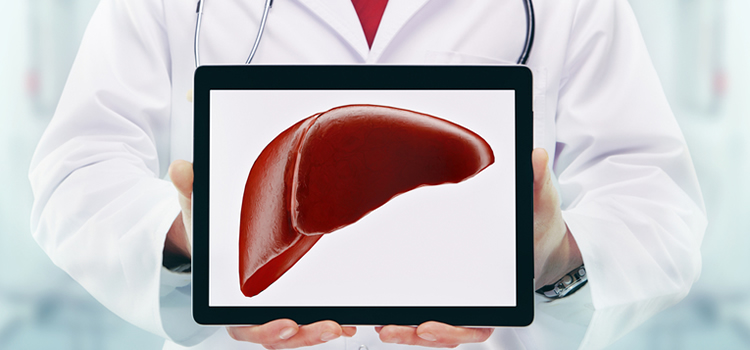
Non-alcoholic fatty liver disease, a condition where fat builds up in the liver from causes not related to drinking alcohol, is the most common liver disorder in America.
This fat can trigger inflammation and scarring in the liver and progress to life-threatening illnesses – including an increased risk of heart disease.
Researchers at Saint Luke’s Health System’s Liver Disease Management Center in Kansas City, MO, led by Dr. Rajiv Chhabra, recently looked at upper-abdominal CT scans of almost 400 patients and discovered something shocking:
Patients with non-alcoholic liver disease were far more likely to have coronary artery disease.
In fact, the effect of non-alcoholic fatty liver disease was stronger than other more traditional risk factors for heart disease, such as smoking, high blood pressure, high cholesterol, diabetes, and metabolic syndrome. [10]
The research is clear: To support a healthy heart, you must keep your liver healthy.
7. Exercise

No surprises here.
Getting enough physical activity is essential for your heart’s health. So how much activity is enough?
The American Heart Association suggests 150 minutes per week of moderate exercise – a half hour per day five days a week will do it.
This doesn’t mean you need to sweat it out in the gym or lace up your running shoes and hit the tack.
Physical activity is anything that makes you move your body and burn calories.
That could mean climbing the stairs, cleaning the house, walking the dog… or… shopping and walking around your local mall!
Worried you can’t devote 30 minutes a day to exercise? That’s okay. Exercise is like time off from work: Even a little is better than nothing!
So start where you’re at, today, and work up from there.
Protection Against The #1 Killer In America
Heart disease is the #1 killer in America.
Every year, it claims the lives of about 610,000 men and women here in America – that’s 1 in four deaths. [11]
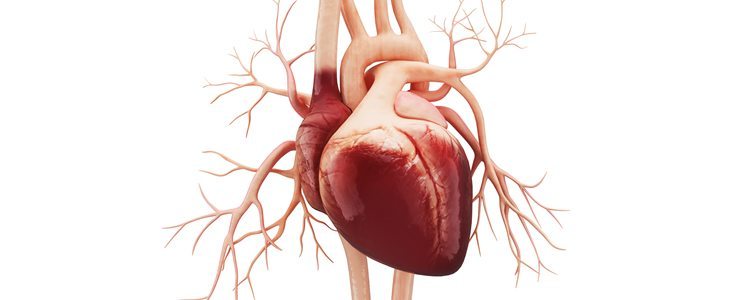
Even with heart disease being a leading health concern, many people underestimate their personal risk, and relatively few are taking consistent steps to prevent it.
That’s both alarming and avoidable.
By following the seven essential heart-healthy habits in this article, you’re taking a powerful step toward protecting your health.
That’s really scary. And dangerous.
By practicing the seven essential heart healthy habits you’ve read about in this article, you’re taking a HUGE step to protect yourself against the frightening reality of heart disease in America.
But what if you want to do even more? What if you want to take additional steps to promote a healthy, strong heart?
One of our main focuses here at Perfect Origins is helping men and women lose unwanted pounds and keeping that weight off.
… And being at a healthy body weight is great for your heart (not to mention a BIG BOOST to your confidence, energy and overall health!)
But, we’ve never put together an offer specifically focused on promoting heart health.
When you look at everything that goes into supporting heart health, it’s clear that no single habit does all the work. It’s the small, consistent choices over time that tend to matter most. The challenge, of course, is keeping all of those pieces in place day after day without it starting to feel overwhelming.
That’s why some people begin looking for ways to support what they’re already doing, especially when it comes to areas like relaxation, sleep, and overall balance. Not as a replacement for healthy habits, but as something that can help make those habits easier to maintain. If you’ve been working toward better heart health but want a simpler way to stay consistent, it might be worth taking a closer look at one option that fits naturally alongside those efforts.