
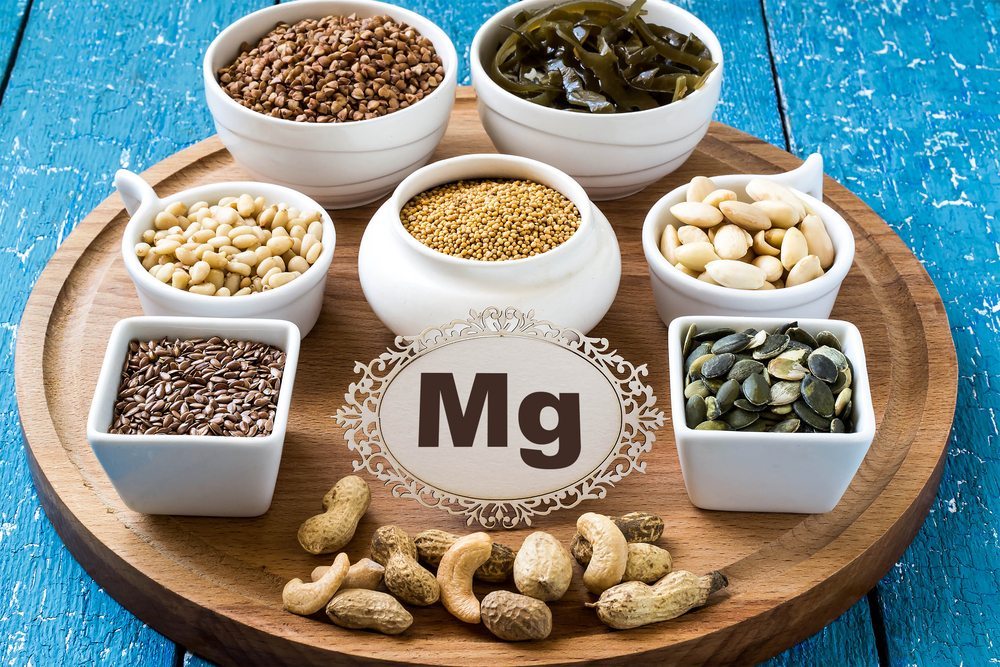
Magnesium is a mineral used by all of your organs, especially your heart, muscle, and kidneys.
Anything that’s tight and achy — from cramped legs to tension headaches — can benefit from magnesium.
If you suffer from cramps, migraines, unexplained fatigue or weakness, abnormal heartbeat, muscle spasms, a magnesium deficiency could be to blame.
And as you’ll soon see, magnesium deficiency is incredibly common.
In this must-read article you’ll discover:
- The miracle mineral. Suzy Cohen R.Ph, known as “America’s Most Trusted Pharmacist”, claims magnesium is so important “without enough of it in your system, you will suffer more disease in your lifetime and die sooner than if you had normal, healthy levels.” (Yet, shockingly, 80% of Americans are deficient!)
- No luck with NSAIDs like Advil or ibuprofen for muscle cramps and chronic pain? Find out how magnesium can deliver freedom from pain so you can get back to your life!
- The amazing migraine cure. Not only does magnesium stop migraines, but it keeps them from coming back!
- Easiest way to protect yourself from gallstones. Just a daily dose of magnesium is all it takes.
- Bounce back from major depression. Studies suggest magnesium works better than drugs, has fewer side effects, too.
- Natural bone builder that really works. Better than calcium? Research shows how magnesium can slow and even reverse the effects of osteoporosis in as little as 30 days!
- Live a longer, healthier life. Researchers at the University of Southern California were amazed to find that a magnesium deficiency makes you twice as likely to die.
We’re going to cover A LOT of exciting information in today’s article. And if I’m right, you’re going to love everything you hear today more than you can possibly imagine…
This Miracle Mineral Is The Missing Link To Better Health

Magnesium is the eighth most abundant mineral on earth.
The third most abundant mineral in seawater.
And, most importantly, the fourth most abundant mineral found in the human body.
And it can work absolute miracles for your health.
In fact, it’s arguably the most important mineral for your health.
Magnesium has been proven to help:
- Treat and prevent muscle cramps
- Relieve premenstrual migraines, irritability, low mood, cramps and other symptoms of PMS
- Prevent the formation of gallstones in men
- Offer rapid recovery from major depression
- Soothe fibromyalgia and chronic pain
- Improve heart health and lower risk of heart disease
- Contribute to a longer, healthier life
And that’s just for starters!
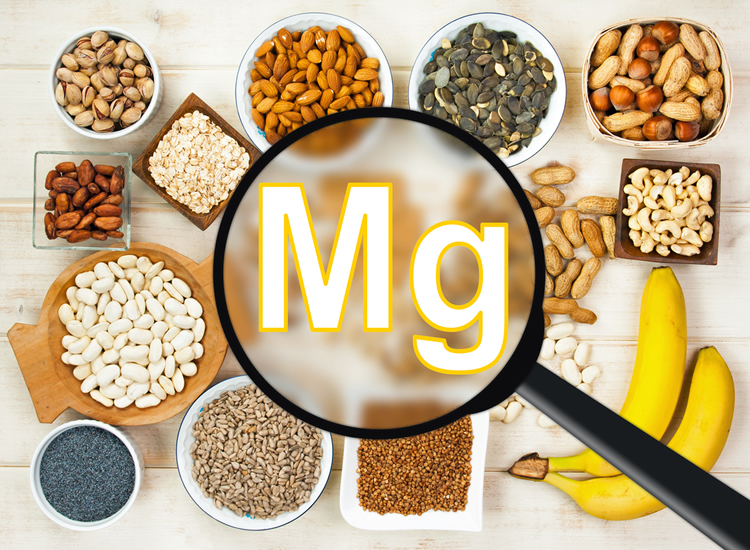
Magnesium was recently identified to have 3,751 binding sites on human proteins [1] and is a cofactor (think of it like a “helper molecule”) in more than 300 biochemical functions of your body including protein synthesis, muscle and nerve function, blood glucose control, and blood pressure regulation. [2]
Magnesium helps transport calcium and potassium ions across cell membranes, a process that is essential to nerve impulse conduction, muscle contraction, and a regular, healthy heartbeat. [3]
Magnesium plays a role in healthy bone development. It’s also required for the synthesis of RNA and DNA, as well as glutathione, your body’s most powerful antioxidant.
It’s not a stretch to say magnesium is an all-star player in your overall health. It truly is a MIRACLE mineral!
Suzy Cohen R.Ph, known as “America’s Most Trusted Pharmacist”, had this to say about magnesium in a recent article:
“I feel that magnesium is so important that without enough of it in your system, you will suffer more disease in your lifetime and die sooner than if you had normal, healthy levels.” [4]
When you begin to explore all of the incredible ways magnesium impacts your health (the list above only scratches the surface) it’s little wonder that research relevant to magnesium has been accumulating for the past four decades at a rate of approximately 2,000 new studies per year.

We’ll look in greater detail at the amazing health benefits of magnesium in just a moment.
But first, I need to bring something that is, frankly, more than a little scary to your attention:
As Many As 8 in 10 Americans Suffer From Magnesium Deficiency
According to a report published in the Journal of Nutrition, an estimated 68 to 80 percent of Americans are magnesium deficient. [5]
This is a relatively recent problem. And it’s a much bigger problem than most people, including many physicians, realize.
Just 60 years ago, you would have received all the magnesium you need from the foods you eat. Sadly, that’s no longer the case – even if you eat a diet rich in fruits and vegetables.
You’ll see why later in this article.
Right now, I need you to pay especially close attention to the next few paragraphs you’re going to read. You see, magnesium deficiency plays a central role in a host of painful and even deadly health problems.
In fact, studies have linked as many as 8 million deaths from sudden cardiac failure in the United States between the years 1940 and 1994 to magnesium deficiency. [6, 7]
Today, the overwhelming majority of Americans are dangerously deficient in this important mineral and most of them don’t even realize it.
Here’s how to tell if you might suffer from magnesium deficiency.
15 Symptoms That May Indicate Magnesium Deficiency.
Are You At Risk?
Many people may be magnesium deficient and not even realize it. But there are key symptoms to watch for that could indicate you’re at risk.

Dr. Carolyn Dean MD ND, a leading magnesium expert and author of the best-selling book The Magnesium Miracle, lists 66 different symptoms of magnesium deficiency in her book.
Some of the most widespread symptoms include:
- Muscle cramps, spasms, and twitching
- Anxiety, depression, or restlessness
- Headaches
- Food cravings (especially for chocolate, carbohydrates, salt, and junk food)
- Constipation and/or diarrhea
- Insomnia
- Irritability
- Bad short term memory
- Back pain
- Heart “flutters” or arrhythmia
- Back pain
- Difficulty concentrating or “brain fog”
- Fatigue or unusual tiredness
- Numbness in hands or feet
- High levels of stress
If you suffer from any of the above symptoms and especially if you suffer from three or more, a magnesium deficiency could be to blame.
What Causes Magnesium Deficiency?
Probably the biggest reason for our modern magnesium deficiency epidemic is the Standard American Diet.
Most folks eat a diet that contains practically no magnesium: think highly-processed, refined foods made from meat, dairy, and white flour (all of which have low to no magnesium).

“Ah ha”, you say. “But I wolf down lots of fruits and veggies! So I probably get plenty of magnesium in my diet, right?”
Wrong.
Although it’s true that magnesium naturally occurs in dark leafy greens like spinach and Swiss chard, nuts, seeds, and whole grains, the sad truth is, the foods we eat today aren’t nearly as healthful as they once were.
A 2011 article in the magazine Scientific American states:
“…fruits and vegetables grown decades ago were much richer in vitamins and minerals than the varieties most of us get today. The main culprit in this disturbing nutritional trend is soil depletion: Modern intensive agricultural methods have stripped increasing amounts of nutrients from the soil in which the foods we eat grow. Sadly, each successive generation of fast-growing, pest-resistant carrot is truly less good for you than the one before.” [8]
Does that mean you should give up cabbage and cauliflower and go for candy bars and cake instead? No, of course not.
A diet rich in fruits and vegetables is essential to your good health. But, you should know that chances are good the fruits and veggies you eat don’t supply the level of nutrition Nature intended.
And that could put you at risk for magnesium deficiency.
Additional factors that contribute to magnesium deficiency include:

- Drinking cola – Your typical 12 ounce can of cola is dripping with a chemical called phosphoric acid. A clear, odorless, colorless syrup, phosphoric acid gives your favorite cola its distinctive tangy flavor. It also robs your body of precious magnesium. You see, phosphoric acid contains phosphates, molecules that bind to magnesium, rendering it unusable by the body. [9]
- Constant stress – When you’re under stress, be it physical or emotional in nature, your body’s need for magnesium increases. (Magnesium is THE stress-relief mineral.) The problem is that in today’s hurried, hectic society most of us don’t experience periodic bouts of stress, we endure stress as a way of life. This constant stress drives our body’s magnesium supply down and sends our risk for magnesium deficiency soaring. [10]
- Antibiotics and prescription drugs – Certain antibiotics, cholesterol medications, anti-anxiety drugs, and painkillers for arthritis contain fluoride (these are known as fluoroquinolone antibiotics and drugs – catchy name, right?) Magnesium binds to fluoride to create magnesium fluoride, which your body is very good at flushing out of its system.
When you consider how critical magnesium is to your good health, and given the fact that a truly alarming 80% of Americans are likely deficient in this important mineral, it’s only natural to ask:
“Why hasn’t my doctor told me anything about magnesium?”

Make no mistake: Your family doctor is likely very familiar with magnesium.
Because magnesium helps your body relax from head to toe (among other benefits) it’s regularly used in hospitals for constipation, heart arrhythmias, seizures, and contractions in pregnancy.
Unfortunately, many doctors forget about magnesium when they’re sitting across from you jotting down notes as you complain of muscle aches and pains, anxiety, migraines, insomnia, or fatigue.
And that’s not your doctor’s fault.
The fact is, accurately testing for magnesium deficiency is exceedingly difficult.
The most common method for checking magnesium levels is through blood work and a serum magnesium test.
Here’s the problem:
Your body contains an average of 25 grams of magnesium, with 50 to 60 percent present in your bones and the rest in soft tissues, especially the left ventricle of your heart. [11]
Less than 1% of total magnesium is in blood serum, and your body keeps these levels strictly regulated. In order for your heart to beat (and you to keep on living) your body has to maintain a steady amount of magnesium in the blood at all times.
Your body maintains this delicate balance by pulling magnesium from your bones and tissues whenever magnesium levels in your blood drop. For this reason, a blood test to determine magnesium deficiency isn’t particularly effective.
Your bones and tissues could be severely depleted of magnesium and the magnesium levels tested in your blood would do nothing to reveal that fact.
And while other tests do exist (including saliva and urine tests) none are perfect. In fact, accurately testing for magnesium deficiency is such a challenge experts agree that no single method is satisfactory. [12]
However, just because it’s difficult to test for magnesium deficiency doesn’t take away from the fact that this issue presents a real threat to the health of millions of Americans.
(A quick Google search for “magnesium deficiency pubmed” returns 108,000 peer-reviewed papers, clinical studies, and medical references.)
If you’re concerned about the risks magnesium deficiency poses to your health (and if you’ve read this far, then I believe you are concerned about the risks), it’s going to be up to you to take matters into your own hands to preserve your health.
This article will give you the health-saving information you need to do just that.
A Widespread But Woefully Under-reported Health Issue
According to the National Institutes of Health:
“Habitually low intakes of magnesium induce changes in biochemical pathways that can increase the risk of illness over time.”
With magnesium deficiency being such a widespread and under-reported health issue here in America, that quote from the National Institutes of Health is certainly cause for concern.
Although magnesium deficiency is likely involved in a wide range of health problems, for now let’s focus on four diseases and disorders in which magnesium plays a known role: high blood pressure and cardiovascular disease, migraine headaches, type 2 diabetes, and osteoporosis.
High blood pressure and cardiovascular disease

Because magnesium has a direct effect upon the relaxation capabilities of the cells of the heart, magnesium deficiency can directly and indirectly contribute to high blood pressure and cardiovascular disease. [13]
What’s interesting, though, is that in a randomized, double-blind, placebo controlled clinical trial [14] of eighty-two diabetic subjects between the ages of 40 and 75, magnesium supplementation was shown to significantly reduce both systolic and diastolic blood pressure.
So while a magnesium deficiency is bad for your heart health, strong evidence exists to suggest that supplementing your diet with additional magnesium may be one of the best things you can do for your heart.
Migraine headaches

Popular celebrity doctor Mark Hyman MD has said:
“Anything that is tight, irritable, crampy, and stiff – be it a body part or even a mood – is a sign of magnesium deficiency.” [15]
This is especially true when it comes to migraine headaches. Magnesium deficiency has been linked to factors that promote headaches, including neurotransmitter release and the tightening of blood vessels. [16]
In their evidence-based guideline update, the Quality Standards Subcommittee the American Academy of Neurology and the American Headache Society cited magnesium as being as effective at preventing migraines as over-the-counter NSAIDs like ibuprofen and naproxen. [17]
Type 2 diabetes

Magnesium deficiency is associated with insulin resistance and increased risk for type 2 diabetes in both adults and children. [18]
The good news it that a growing body of evidence strongly suggests that magnesium could be instrumental in the reduction of the risk of type 2 diabetes, probably thanks to magnesium’s role in sugar metabolism. [19]
Osteoporosis

Earlier in this report you learned that of the 25 grams of magnesium present in your body right now, as much as 60 percent of it can be found in your bones. Simply put, magnesium is essential to healthy, strong bones. [20]
Multiple population-based studies have linked magnesium intake to bone density in both men and women. [21] Additional research points to magnesium deficiency as a contributing factor in the development of osteoporosis. [22]
But it’s not all bad news! A recent study published in the journal Biology Trace Element Research demonstrated that taking a magnesium supplement for just 30 days was able to significantly slow the development of osteoporosis. [23]
Are you beginning to notice a trend?
While magnesium deficiency has been positively linked to high blood pressure and cardiovascular disease, migraines, type 2 diabetes and osteoporosis, medical evidence proves that healthy levels of magnesium can protect you against these diseases and disorders!
And just wait until you see more of the evidence-based health benefits of this miracle mineral.
7 Amazing Health Benefits Of Magnesium
“I sometimes think about what supplements I might grab in a house fire, and magnesium is one of them.” – Dr. Kelly Brogan MD
No wonder Dr. Brogan and other health authorities are so high on magnesium! The many health benefits of magnesium will amaze you.
A growing body of medical evidence shows that magnesium can:
1. Treat and prevent muscle cramps

Have you ever been awakened in the middle of the night by a burning pain in your legs or feet?
Do frequent muscle cramps prevent you from enjoying some of your favorite activities?
According to many leading medical experts, magnesium deficiency is the major hidden cause of muscle cramps throughout the entire body. [24]
Studies suggest that bringing magnesium levels back into proper balance can effectively treat and prevent painful muscle cramps. [25]
2. Relieve PMS symptoms

Magnesium is a “must have” mineral for women suffering from PMS symptoms, including premenstrual migraines, irritability, fatigue, and cramps. [26]
In one study, a group of women aged 18 to 45 with a regular menstrual cycle were given a 250mg dose of magnesium daily for three months.
At the end of those three months, one in three of the women who participated in the study experienced relief from PMS symptoms thanks to supplementing with magnesium. [27]
3. Prevent the formation of gallstones in men

Magnesium has some male-specific health benefits, as well.
Magnesium deficiency is known to cause dyslipidemia (an elevation of plasma cholesterol, triglycerides, or both) and insulin hypersecretion, which can lead to the formation of gallstones in men.
A cohort study of the magnesium consumption of 42,705 U.S. men between the years 1986 and 2002 unearthed some incredible evidence for any man concerned about his risk of forming gallstones.
Let me quote directly from the study abstract:
“Our studies suggest a protective role of magnesium consumption in the prevention of symptomatic gallstone disease among men.” [28]
4. Offer rapid recovery from major depression

Major depression is a mood disorder characterized by a sense of sadness, despondency, pessimism, and decreased activity.
Sadly, it’s a not uncommon health issue in our day and age, and a number of experts believe magnesium deficiency may be partly (or even largely) to blame.
Encouragingly, a dose of magnesium as small as 125-300 mg has proven to provide rapid recovery from major depression, perhaps because of the way magnesium influences brain activity and optimal thyroid function – an underactive thyroid is a documented cause of depression. [29, 30]
5. Soothe fibromyalgia and chronic pain

Magnesium deficiency is common in patients with fibromyalgia [31], so can supplementing with magnesium help to ease the discomfort of this painful disease?
Medical research suggests that the answer to that question is a resounding “YES!
A study recently published in Rheumatology International investigated the relationship between magnesium levels and fibromyalgia symptoms. [32]
In this study, 60 premenopausal women diagnosed with fibromyalgia were matched with 20 healthy women whose age and weight was similar to their own. These 80 women were then divided into three groups – one of which received 300 mg of magnesium daily.
After 8 weeks of treatment, the women who had fibromyalgia and received a magnesium supplement reported significantly less back pain and intensity of their fibromyalgia symptoms than when they started the 8 week program.
6. Improve heart health
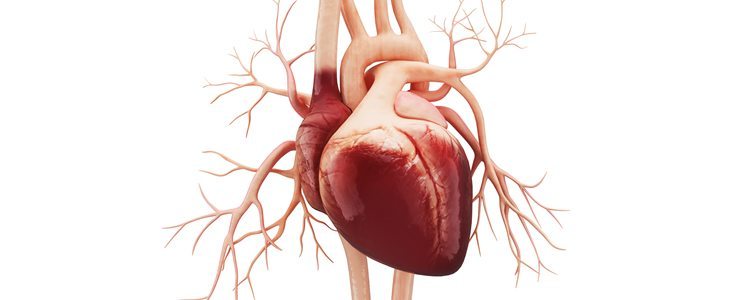
If you want a healthy ticker, then you should make getting more magnesium into your diet a top priority.
In a review of randomized control clinical trial literature, researchers discovered a relationship between dietary magnesium and a lower risk of coronary heart disease in men. [33]
A separate study of 1,160 patients showed that a dosage of 300 mg of magnesium daily produced “very good results” for people suffering from heart arrhythmia. [34]
7. Contribute to a longer, healthier life

And how’s this to close out our list of amazing health benefits of magnesium:
Magnesium will help you live longer.
According to a study conducted at the University of Southern California and published in The Journal of Intensive Care Medicine, a magnesium deficiency makes you twice as likely to die as other people. [35]
At this point, you’re probably eager to learn about ways to up your daily intake of magnesium.
After all, you’ve discovered:
- As much as 80% of the U.S. population likely suffers from magnesium deficiency…
- Magnesium deficiency has been linked to diseases and disorders like high blood pressure and cardiovascular disease, migraine headaches, type 2 diabetes and osteoporosis, as well as early mortality…
- How magnesium can help to treat and prevent muscle cramps, offer rapid recovery from major depression, improve heart health, relieve PMS symptoms, soothe fibromyalgia and chronic pain, and more amazing health benefits…
Let’s look now at how you can up your intake of magnesium so you don’t miss out on any of its amazing health benefits.
Natural Sources Of Magnesium
Earlier in this report you learned that modern farming methods have stripped the soil of a large percentage of its native mineral concentrations – what scientists refer to as the “dilution effect”.
This dilution effect in turn causes the fruits and veggies you picked up at the grocery store last week to be less nutritious than the produce your grandparents ate when they were young. [36]

While it’s truly unfortunate that the fruits and vegetables we eat today aren’t nearly as nutritious as they could be, that doesn’t mean they don’t deserve a place on your table.
They do!
And a number of fruits and vegetables will provide you with a decent source of magnesium.
These include:
- Dark leafy greens like spinach and Swiss chard
- Pumpkin seeds
- Almonds
- Avocados
- Black beans
- Figs
Unfortunately, if you show symptoms of magnesium deficiency or if you simply want to take full advantage of the many health benefits offered by this miracle mineral, eating magnesium-rich foods alone probably isn’t enough.
Here’s noted magnesium expert Dr. Carolyn Dean MD, ND once more:
“Magnesium is farmed out of the soil much more than calcium. A hundred years ago, we would get maybe 500 milligrams of magnesium in an ordinary diet. Now we’re lucky to get 200 milligrams. People do need to supplement with magnesium.” [37]
I agree with Dr. Dean that we all need to supplement with magnesium.

Because you’re unlikely to receive all of the magnesium you need from your diet, the obvious question is:
Which Magnesium Supplement Is Right For You?
This question is actually easier to answer than you may realize.
You see, even though there are a number of magnesium supplements on the market (and a couple of varieties offer impressive benefits) the majority come with serious drawbacks.
Let’s have a look:
Magnesium oxide and hydroxide
This is perhaps the most common variety of magnesium supplement available. You may be familiar with it as one of the active ingredients in Milk of Magnesia.
Multi-billion dollar pharmaceutical and supplement companies love magnesium oxide and hydroxide because it’s dirt cheap. Unfortunately, dirt may be a better source of magnesium.
Why?
Because magnesium oxide and hydroxide is very poorly absorbed and is also highly laxative. [38]
Magnesium citrate
Although magnesium citrate is better absorbed than magnesium oxide and hydroxide, it’s even more laxative.
If you’ve ever had a colonoscopy, magnesium citrate is what most doctor’s recommend to flush out your bowels in the days leading up to your procedure. [39]
While the laxative properties of magnesium citrate may be great if you’re trying to cleanse your colon, it’s definitely not something you’d want to deal with on a daily basis.
Magnesium sulfate
You’ve probably purchased it as Epsom Salt.
Magnesium sulfate is great for soaking, but is far too laxative to take as a daily supplement.
Magnesium chloride
Very well-absorbed, but along with magnesium oxide and citrate is one of the forms of magnesium most commonly reported to cause diarrhea. [40]
Another major drawback of magnesium chloride: Because of it’s unique chemical structure it turns to liquid when exposed to air, making it prohibitive to deliver as a capsule or tablet.
The only option is to choke down a spoonful of it and brace yourself against the bitter, gag-inducing taste.
As you can see, the majority of magnesium supplements available all come with some unpleasant side effects.
Now It’s Your Turn

Whether you choose to get more magnesium through supplementation or by eating more magnesium-rich foods, you’ll be doing your health a lot of good. And since most of us are magnesium deficient, we can’t afford to ignore this issue.

References:
-
Piovesan D, Profiti G, Martelli PL, Casadio R. The human “magnesome”: detecting magnesium binding sites on human proteins. BMC Bioinformatics. 2012;13 Suppl 14:S10. [PubMed Abstract]
-
Institute of Medicine (IOM). Food and Nutrition Board. Dietary Reference Intakes: Calcium, Phosphorus, Magnesium, Vitamin D and Fluoride. Washington, DC: National Academy Press, 1997.
-
Rude RK. Magnesium. In: Coates PM, Betz JM, Blackman MR, Cragg GM, Levine M, Moss J, White JD, eds. Encyclopedia of Dietary Supplements. 2nd ed. New York, NY: Informa Healthcare; 2010:527-37.
-
Cohen Suzy. “14 Drugs That Deplete Magnesium”. Jigsaw Health. 04 February 2015. [Link]
-
Ford ES, Mokdad AH. Dietary magnesium intake in a national sample of U.S. adults. J Nutr 2003; 133: 2879-2882. [J Nutr]
-
Eisenberg MJ. Magnesium deficiency and sudden death. American Heart Journal 1992; 124:544-9. [PubMed Abstract]
-
Turlapaty PD, Altura BM. Magnesium deficiency produces spasms of coronary arteries: relationship to etiology of sudden death ischemic heart disease. Science 1980; 208:198-200.
-
Scheer, Roddy and Moss, Doug. “Dirt Poor: Have Fruits and Vegetables Become Less Nutritious?” Scientific American April 2011. [Link]
-
Moe, Sharon M. Disorders Involving Calcium, Phosphorus, and Magnesium. Prim Care. 2008 June; 35(2): 215-vi. [PubMed Abstract]
-
Seelig MS. Consequences of magnesium deficiency on the enhancement of stress reactions; preventive and therapeutic implications (a review). J Am Coll Nutr. 1994 Oct; 13(5):429-46. [PubMed Abstract]
-
Volpe SL. Magnesium. In: Erdman JW, Macdonald IA, Zeisel SH, eds. Present Knowledge in Nutrition. 10th ed. Ames, Iowa; John Wiley & Sons, 2012:459-74.
-
Witkowski M, Hubert J, Mazur A. Methods of assessment of magnesium status in humans: a systematic review. Magnes Res. 2011 Dec; 24(4):163-80. [PubMed Abstract]
-
Rosanoff A. Magnesium and hypertension. [Article in Japanese] Clin Calcium. 2005 Feb; 15(2):255-60.
-
Guerrero-Romero F, Rodriguez-Moran M. The effect of lowering blood pressure by magnesium supplementation in diabetic hypertensive adults with low serum magnesium levels: a randomized, double-blind, placebo-controlled clinical trial. J Hum Hypertens. 2009 Apr; 23(4):245-51. [PubMed Abstract]
-
Hyman Mark. “Magnesium: Meet The Most Powerful Relaxation Mineral Available”. Dr Hyman. 19 October 2014. [Link]
-
Sun-Edelstein C, Mauskop A. Role of magnesium in the pathogenesis and treatment of migraine. Expert Rev Neurother. 2009 Mar; 9(3):369-79. [PubMed Abstract]
-
Holland S, et al. Evidence-based guideline update: NSAIDs and other complementary treatments for episodic migraine prevention in adults: report of the Quality Standards Subcommittee of the American Academy of Neurology and the American Headache Society. Neurology. 2012 Apr 24; 78(17):1346-53. [PubMed Abstract]
-
Huerta MG, Roemmich JN, Kington ML, Bovbjerg VE, Weltman AL, Holmes VF, Patrie JT, Rogol AD, Nadler JL. Magnesium deficiency is associated with insulin resistance in obese children. Diabetes Care. 2005 May; 28(5):1175-81. [PubMed Abstract]
-
Rodríguez-Morán M, Simental Mendía LE, Zambrano Galván G, Guerrero-Romero F. The role of magnesium in type 2 diabetes: a brief based-clinical review. Magnes Res. 2011 Dec; 24(4):156-62. [PubMed Abstract]
-
Rude RK, Singer FR, Gruber HE. Skeletal and hormonal effects of magnesium deficiency. J Am Coll Nutr. 2009 Apr; 28(2):131-41. [PubMed Abstract]
-
Tucker KL. Osteoporosis prevention and nutrition. Curr Osteoporos Rep. 2009 Dec; 7(4):111-7.
-
Mutlu M, Argun M, Kilic E, Saraymen R, Yazar S. Magnesium, zinc and copper status in osteoporotic osteopenic and normal post-menopausal women. J Int Med Res. 2007 Sep-Oct; 35(5):692-5. [PubMed Abstract]
-
Aydin H, Deyneli O, Yavuz D, Gözü H, Mutlu N, Kaygusuz I, Akalin S. Short-term oral magnesium supplementation suppresses bone turnover in postmenopausal osteoporotic women. Biol Trace Elem Res. 2010 Feb; 133(2):136-43. [PubMed Abstract]
-
Bilbey DL, Prabhakaran VM. Muscle cramps and magnesium deficiency: case reports. Can Family Physician. 1996 Jul; 42:1348-1351. [Abstract]
-
Roffe C, Sills S, Crome P, Jones P. Randomised, cross-over, placebo controlled trial of magnesium citrate in the treatment of chronic persistent leg cramps. Med Sci Monit. 2002 May; 8(5)CR326-30. [PubMed Abstract]
-
Facchinetti F, Sances G, Borella P, Genazzani AR, Nappi G. Magnesium prophylaxis of menstrual migraine: effects on intracellular magnesium. Headache. 1991 May;31(5):298-301. [PubMed Abstract]
-
Quaranta S, Buscaglia MA, Meroni MG, Colombo E, Cella S. Pilot study of the efficacy and safety of a modified-release magnesium 250 mg tablet (Sincromag) for the treatment of premenstrual syndrome. Clin Drug Investig. 2007; 27(1):51-8. [PubMed Abstract]
-
Tsai CJ, Leitzmann MF, Willett WC, Giovannucci EL. Long-term effect of magnesium consumption on the risk of symptomatic gallstone disease among men. Am J Gastroenterol. 2008 Feb; 103(2):375-82. [PubMed Abstract]
-
Eby GA, Eby KL. Rapid recovery from major depression using magnesium treatment. Med Hypotheses. 2006; 67(2):362-70. [Pub Med Abstract]
-
Joffe RT, Levitt AJ, Young LT. The thyroid, magnesium and calcium in major depression. Biol Psychiatry. 1996 Sep 1; 40(5):428-9. [PubMed Abstract]
-
Moorkens G, Manuel y Keenoy B, Vertommen J, Meludu S, Noe M,De Leeuw I. Magnesium deficit in a sample of the Belgian population presenting with chronic fatigue. Magnes Res. 1997 Dec; 10(4):329-37. [PubMed Abstract]
-
Bagis S, Karabiber M, As I, Tamer L, Erdogan C, Atalay A. Is magnesium citrate treatment effective on pain, clinical parameters and functional status in patients with fibromyalgia? [PubMed Abstract]
-
Mathers TW, Beckstrand RL. Oral magnesium supplementation in adults with coronary heart disease or coronary heart disease risk. J Am Acad Nurse Pract. 2009 Dec; 21(12):651-7. [PubMed Abstract]
-
Holzgartner H, Maier E, Vierling W. High-dosage oral magnesium therapy in arrhythmias. Results of an observational study in 1,160 patients with arrhythmia. [Article in German] Fortschr Med. 1990 Sep 30; 108(28):539-42. [PubMed Abstract]
-
Tong GM, Rude RK. Magnesium deficiency in critical illness. J Intensive Care Med. 2005 Jan-Feb; 20(1):3-17. [PubMed Abstract]
-
Davis Donald. Declining Fruit and Vegetable Nutrient Composition: What Is The Evidence? HortScience. 2009 Feb; 44(1):15-19. [Link]
-
Mercola, Joseph. “Magnesium: The Missing Link to Better Health. Mercola. 08 December, 2013. [Link]
-
Lindberg JS, Zobitz MM, Poindexter JR, Pak CY. Magnesium bioavailability from magnesium citrate and magnesium oxide. J Am Coll Nutr. 1990 Feb; 9(1):48-55. [PubMed Abstract]
-
No byline. Preparing for a colonoscopy. Harvard Health Publications. 9 March, 2015. [Link]
-
Ranade VV, Somberg JC. Bioavailability and pharmacokinetics of magnesium after administration of magnesium salts to humans. Am J Ther. 2001 Sep-Oct;8(5):345-57. [PubMed Abstract]