According to national health survey data, nearly 60 percent of Americans — the highest level ever recorded — are taking prescription drugs.
And those numbers are on the rise: prescription drug use among people 20 and older has shot up from 51 to 59 percent since 2000.
As more people pop prescriptions to manage everything from high blood pressure to joint pain to hypertension and diabetes, more people will be exposed to the risks of these potentially deadly medications.
In fact, complications from prescription medications lead to millions of hospital visits and thousands of deaths each year in the United States, according to the Centers for Disease Control and Prevention. (1)
This makes prescription drugs a major health risk. It ties with stroke as the 4th leading cause of death in America!
Fortunately, safer, natural alternatives to modern medicine do exist. One of the most exciting of these is turmeric, the Golden Spice.
Turmeric: Nature’s “Super Spice”

Turmeric is a root plant, a close relative of ginger, that gives Indian curry its appetizing golden hue. This “super spice” has been used for nearly 4000 years in traditional Indian medicine and is also one of the most well-studied natural medicines here in the west.
The discovery that India has some of the lowest Alzheimer’s rates in the world sparked the west’s interest in turmeric. Researchers first investigated turmeric powder and curcumin as a memory aid supplement, but they quickly realized it was good for much more than brain health.
There are currently more than 6000 peer-reviewed and published studies on the health benefits of turmeric and its active compound, curcumin. (2) According to this body of research, there are over 550 medical benefits of turmeric.
5 Ways Turmeric Trumps Modern Medications
1. Cholesterol regulators
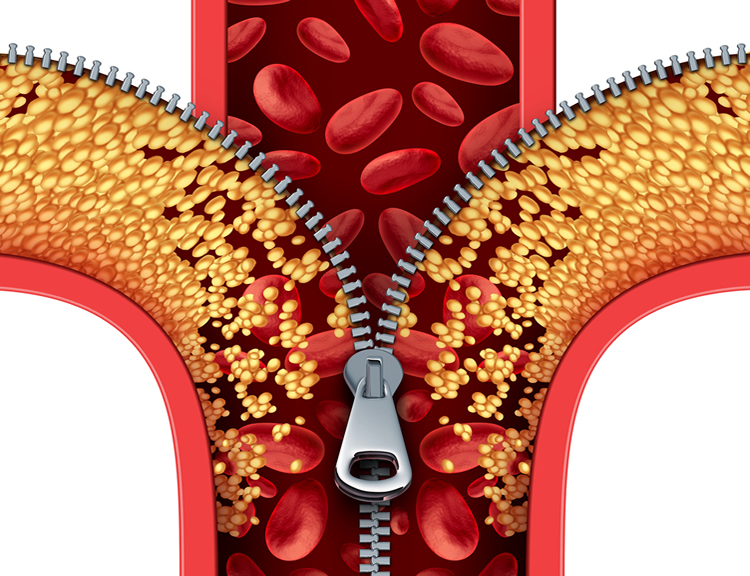
Statin drugs (like Lipitor) pose a grave risk to your kidney and liver health. Worse: these drugs only treat the symptom (high cholesterol) without addressing the root cause (high blood sugar levels and chronic inflammation).
Turmeric is renowned for its anti-inflammatory properties which helps to address the chronic inflammation that can drive cholesterol levels up.
More good news: one study found that curcumin (the active ingredient in turmeric) administered for just 7 days reduced “bad” LDL cholesterol levels by 11.63%, and increased “good” HDL cholesterol levels by 29%. (3)
2. Painkillers
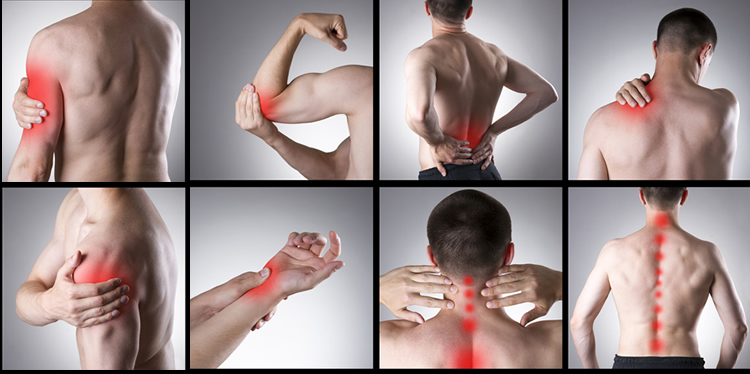
Turmeric and curcumin are at the cutting-edge of innovative pain management solutions.
In one study, curcumin proved effective at reducing diabetic neuropathic pain. (4) Another study found curcumin and turmeric to be effective at managing the painful symptoms of osteoarthritis. (5)
Perhaps what’s most exciting about this research is that fact that, unlike many traditional painkillers, turmeric is non-addictive and does not come with potentially deadly side effects.
3. Anti-depressants

In one study of 60 volunteers diagnosed with major depressive disorder, researchers found that curcumin (the active compound in turmeric) was as effective as Prozac at managing depression.
According to the study authors, “This provides first clinical evidence that curcumin may be used as an effective and safe modality for treatment in patients with major depressive disorder without concurrent suicidal ideation or other psychotic disorders.” (6)
4. NSAIDs

Non-Steroidal Anti-Inflammatory Drugs (NSAIDs) include ibuprofen (Advil, Motrin IB), aspirin (Bayer, Excedrin), and naproxen (Aleve). These are among the most common drugs used in America.
They also cause more preventable drug-related hospital admissions than any other drug. (7)
Good news if you use these drugs to help manage headaches, sore joints, and chronic pain: dozens of studies have shown that turmeric (curcumin) is effective at reducing pain caused by inflammation. (8)
5. Diabetes medications
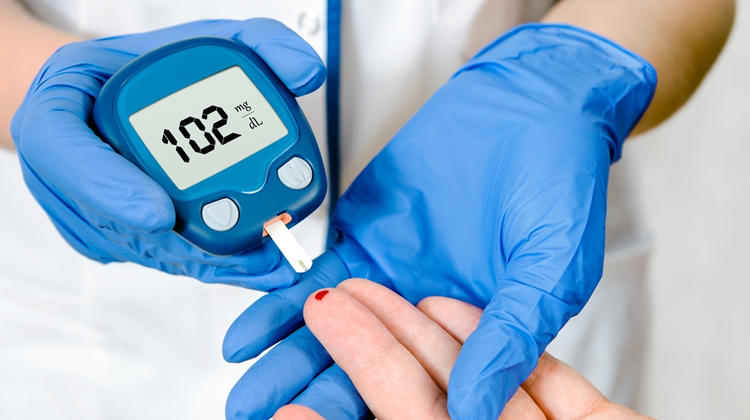
Turmeric can be a safe and effective way to lower blood sugar and reverse insulin resistance.
A study published in Biochemistry and Biophysical Research Communications found that turmeric was 400 to 100,000 times more potent than the popular diabetes drug Metformin at activating AMPK — an enzyme which helps to improve insulin resistance and can reverse type 2 diabetes. (9)
Time To Ditch Your Drugs?
Turmeric has proven effective at managing many common health conditions. But does that mean you should clean out your medicine cabinet and ditch your prescription drugs?
Not exactly.
This article is not intended to offer medical advice and any changes you make should be discussed with your doctor. If you’re interested in a more holistic approach to health, though, I encourage you to bring the topic up with your family practitioner.
A friend of mine was recently told by his doctor that his cholesterol levels were too high. As the doctor was writing out a prescription for Lipitor my friend asked, “What about making some changes to my diet?”
My friend said his doctor looked STUNNED for a second before replying, “Oh, no one ever asks about making lifestyle changes.”
The fact is, most doctors don’t think twice about whipping out a notepad and scratching a prescription down on it. But what of the health risks?
Remember: prescription drugs are now the 4th leading cause of death in the United States. Even a properly administered prescription can be deadly.
Talk with your doctor about ALL of the different paths (including lifestyle changes and alternative medicine) you can travel to the health you deserve!
If you’ve made it this far, you’ve probably realized turmeric isn’t just another trend, but something people keep coming back to for a reason. The challenge, of course, is figuring out how to actually use it in a way that’s simple and consistent without turning it into another complicated routine.
That’s why some people have started exploring options where everything is already put together in a more convenient way, so they don’t have to guess or piece it together themselves. If you’re curious what that looks like or how it compares to doing it on your own, you may want to take a closer look at one approach that’s been getting a bit of attention lately.