
If you’re like most people, you probably don’t think too much about your liver. But this 3 pound, football-size organ is the unsung hero of a long and happy life.
When your liver is clean and healthy you have more energy, better immunity, and it’s much easier to maintain an ideal body weight — and that’s just for starters.
Sadly, liver health is a growing problem in America and much of the modern world.
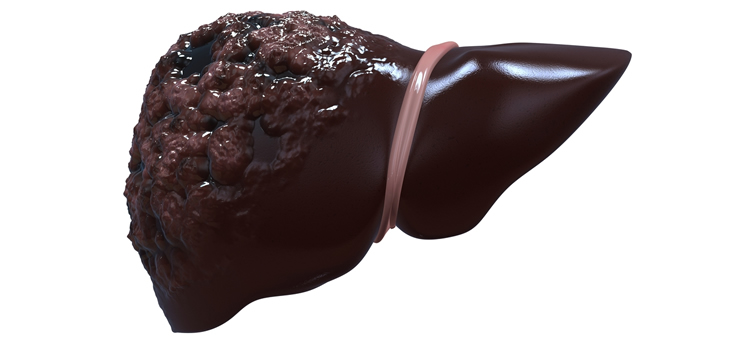
Today, 1 in 4 Americans have non-alcoholic fatty liver disease, a serious condition that can lead to cirrhosis, liver failure and death. As you’re reading this, 16,000 people are desperately waiting on a liver transplant and that number grows every year.
Are you doing everything you can to promote a healthy liver? Or, are you unintentionally placing your liver health in serious jeopardy? Discover the answers, as well as fascinating liver health facts and trivia, in this article.
Liver Health Facts:
9 Surprising Things You Need To Know
1. Your Liver Is Your Body’s Hardest Working Organ
The liver is the hardest working and most metabolically complex organ in humans. (1)
A few of the liver’s 500+ different functions include fighting off infection, purifying the blood, neutralizing toxins, storing vitamins and minerals for later use, managing blood sugar levels and manufacturing proteins and hormones.
2. It’s Also The Only Organ That Can Regenerate
One of the liver’s most amazing abilities: self-regeneration.
The liver is the only organ that can regenerate itself. That’s why it’s possible for one person to donate part of their liver to another person.
Let’s say Bob donates a portion of his liver to Mark.
In this scenario, Bob’s liver will regenerate back to its original size while the portion that was donated to Mark will grow into a full liver.
Today, nearly 16,000 Americans are on the waiting list for a liver transplant.
But only about 6,000 transplants are performed each year.
3. Coffee May Protect The Liver From Booze, Study Finds
Cirrhosis is a degenerative disease in which healthy liver tissues is replaced with scar tissue. This condition is potentially fatal and there is no known cure.
Cirrhosis kills more than a million people per year worldwide, and can be caused by overconsumption of alcohol and liver-unhealthy foods.
Since cirrhosis can’t be cured, it’s especially important to focus on prevention. And it turns out a beverage you may have sipped this morning could be one of the most effective ways to fend off this deadly condition.
Researchers from Southampton University in Britain analyzed data from nine previously published studies with a total of more than 430,000 participants.
What they found was that drinking just two additional cups of coffee per day was enough to lower risk of developing cirrhosis by 44 percent.
And the more coffee you drink, the lower your risk:
With three cups of java a day risk of cirrhosis declined by 57 percent; risk dropped by 65 percent with four cups. (2)
Scientists aren’t entirely sure why coffee helps protect the liver, but most believe it has to do with coffee’s antioxidant and anti-inflammatory effects.
4. Your Liver Is Your Body’s #1 Fat-Burning Organ
Of the more than 500 functions your liver performs daily, one of the most important is the creation of bile. Bile is key to breaking down fat.
Think of bile as the liquid detergent that cuts through grease on your dishes.
Without enough bile to break down fats in your body, these fats can’t be used as energy. As a result they pile up as ugly, unwanted pounds on your arms, legs, backside and especially your belly.
The problem is that by the time you’re 40, the tubes and ducts that run into and out of your liver start to get gummed up with junk like environmental toxins, fat globules, scar tissue and metabolic waste.
And by age 50, you may be getting only a fraction of the bile your body requires to break down dietary fat.
If your liver is overworked and exhausted that could be the hidden cause behind your weight gain.
As Jonny Bowden, certified nutritionist and author of Living the Low Carb Life, says, “Chemicals in the environment can slow down the weight loss process and overburden the liver with toxins that have profound health effects.”
5. A Healthy Liver Is Vital For Healthy Blood
The liver acts as a filter to remove toxins like alcohol and ammonia from the bloodstream.
At any time your liver contains about 10% of the blood in your body, and it pumps about 1.4 liters through per minute — that’s nearly 100 gallons of blood per day!
51% of adults want to lose weight, according to Gallup polls. But most people struggle to lose even a few measly pounds before giving up. Even worse, the pounds they do lose come rushing right back.
The problem isn’t a lack of willpower, bad genes, or not spending enough time at the gym. It’s an easy-to-fix mistake that most folks have never even heard of.
————————————————————————————————————————————————————————–
6. Tylenol Is The Leading Cause Of Liver Failure In America
One of the biggest risks to your liver health is hidden in plain sight in medicine cabinets across America.
Tylenol overdose is the most common cause of acute liver failure in the country, according to Drug Watch.
The active ingredient in Tylenol, acetaminophen, is responsible for an estimated 78,000 emergency room visits per year.
Because Tylenol and other drugs containing acetaminophen are available without a prescription it’s easy to forget these are powerful — and potentially deadly — drugs.
If you insist on using Tylenol, make sure to carefully read the labels and use only as directed.
7. Drink Dandelion Root Tea For Liver Detox
Dandelion is much more than just a pesky weed.
Dandelion is an herb and it’s a rich source of vitamins A and C, as well as calcium, iron, and magnesium. It also aids liver health by promoting a healthy flow of bile.
The entire dandelion — roots, leaves, stem and flower — is edible. But due to so many of our lawns being treated with toxic chemicals, I wouldn’t advise harvesting dandelion to eat from your front yard.
My preferred method of consuming dandelion is dandelion root tea which you can find at most grocery stores.
8. Fatigue Is The Most Common Symptom Of Poor Liver Health
The liver contains no pain receptors. For this reason you don’t directly experience pain from a diseased or overworked liver. But there are warning signs you should pay attention to.
Fatigue is the most common symptom of poor liver health. Other common symptoms include:
- Nausea
- Decreased appetite
- Brown urine
- Rapid weight gain or weight loss
- Jaundice (yellowing of the whites of the eyes)
If you’re worried about the health of your liver, talk to your doctor about getting an ALT or AST liver enzyme test.
9. Clean Eating Is Your Best Bet For A Healthy Liver
liver health facts. The liver processes everything we eat or drink to be used immediately as energy or stored for later. Think of it like the Grand Central Station of your body.
If you regularly eat processed foods, deli meats, chips, cookies, snacks and other staples of the Standard American Diet (SAD), then your liver may be overworked and exhausted.
The very best thing you can do to promote a healthy liver is to eat whole, natural foods.
Dine on fresh fruits and vegetables, grains like brown rice and quinoa, eggs, wild-caught fish, and occasionally animal-based protein like beef, chicken, or pork. Eating like this is a simple and delicious way to give your liver a big health boost.
Discover the surprising reason many people experience fatigue, weight gain, and brain fog — and how supporting your liver may help improve your overall health. Watch the full presentation here.