

Drinking water. Water makes up approximately 60% of the human body. Most tissues and organs — including the brain — are 70% water. Blood is 93% water!
Water is essential to life and staying properly hydrated is critical for good health.
But is the water that comes from your kitchen faucet the best way to quench your thirst? Is it even safe to drink?
In this article we’ll explore that question, but first, let’s look at the surprising health benefits of proper hydration — and what happens to your body when you’re not drinking enough water.
Are You Dehydrated?
(The Answer Is Probably Yes…)
As many as 240 million Americans may be chronically dehydrated, according to doctors. (1)
CBS News reports that most of us simply aren’t getting as much water as we need. And the Harvard School of Public Health warns that inadequate hydration poses serious risks to the physical, mental, and emotional well-being of our kids. (2)
Chronic dehydration is a hidden and growing health epidemic — one that most folks don’t realize even exists.
Could you be a victim of chronic dehydration?
The most common symptoms of dehydration are thirst, dark colored urine, dry skin, and fatigue, but you also have to be aware of overlooked symptoms of chronic dehydration.
According to Mayo Clinic these can include:
- Weight gain
- Urinary tract infections
- Premature aging
- High cholesterol
- Digestive problems such as constipation and heartburn
Health Benefits of Proper Hydration

You may be surprised at the specific ways drinking adequate amounts of water can benefit your health.
Some of these health benefits include:
- Improve mood, memory, and brain function (3)
- Help prevent and relieve constipation (4)
- Boost metabolism and accelerate weight loss (5)
- Treat and prevent headaches (6)
- Decrease muscle and joint pain (7)
- Get clearer, smoother skin
That’s a whole lot of health benefits in a single glass of H2O!
But how much water should you drink daily?
Forget the 8 ounce glasses eight times a day “rule” you’ve probably heard before.
Rather, follow the advice of Dr. Susanne Bennett and other health experts and drink one-half of your body weight in ounces of water per day.
For example, if you weigh 140 pounds your daily goal will be 70 ounces of water. This will ensure you’re avoiding chronic dehydration and not missing out on the many health benefits of proper hydration.
Tap Water: Trouble In a Glass
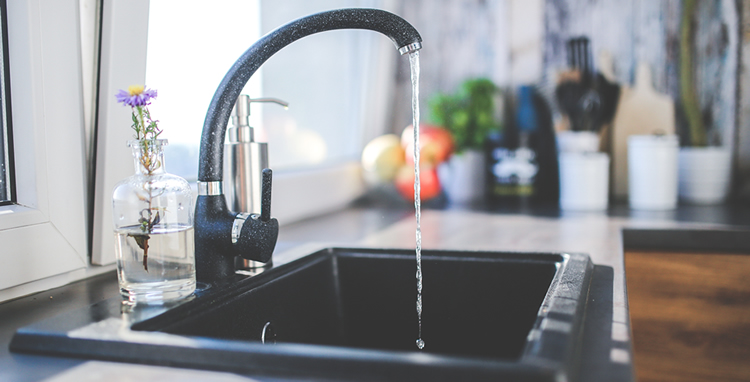
Now that you’ve seen how common — and dangerous — is chronic dehydration, as well as the ways proper hydration will help you look and feel your best, it’s time to head to the kitchen and draw yourself a nice, cool glass of aqua from the faucet, right?
Not quite.
Sadly, much of the drinking water in America is a toxic cocktail of chemicals, bacteria, heavy metals, fecal matter, pharmaceuticals, and other nasty toxins.
There are more than 60,000 chemicals used in the U.S., many of which pose a grave danger to your health. And yet, the Environmental Protection Agency only regulates 91 water contaminants.
A widely cited in-depth report released earlier this month found that unsafe levels of industrial chemicals were present in the drinking water of approximately 6 million Americans.
Earlier this year, a similar article highlighted growing concerns and questioned whether current regulations adequately ensure the safety of our drinking water.
The issue has persisted for years, and in 2009, EPA administrator Lisa Jackson acknowledged that American water systems were failing to meet public health goals in an article published by the New York Times.
Let’s look at some of the most common toxins swirling in our tap water.
5 Common Toxins In Your Drinking Water
1. Fluoride

Fluoride was first added to drinking water supplies in the 1940’s as a way to combat tooth decay. It was a fine idea — in theory. But fluoride is an endocrine disrupter. Overexposure to this man-made chemical can harm the thyroid and pineal gland.
Most U.S. cities fluoridate their water supply. But fluoride raises enough health concerns that a growing number of cities and town, including Colorado City and Tampa Bay, have voted to end water fluoridation.
2. Chlorine

Chlorine is another dangerous man-made chemical that can be found in our drinking water. Chlorine is often used at water treatment facilities to disinfect drinking water before it makes its way to your home.
The problem with this is that chlorine is toxic. Even small amounts can bind with the water in your body, producing poisonous hydrochloric acid, and contributing to your body’s overall toxic load.
Long term exposure to chlorine can cause respiratory problems and damage cells, as well as impaired balance and memory loss.
3. Drugs and Pharmaceuticals

A drug store’s worth of pharmaceuticals including antibiotics, anti-convulsants, mood stabilizers and sex hormones have been found in the drinking water of 41 million Americans, according to reportage by the Associated Press.
Worse: There’s evidence that suggests chlorine in our drinking water can make these pharmaceuticals even more toxic.
Although the levels of contamination caused by these pharmaceuticals is relatively low, do you really want someone else’s drugs coursing through your system?
“We know we’re being exposed to other people’s drugs through our drinking water, and that can’t be good”, says Dr, David Carpeneter, director at the Institute for Health and the Environment of the State University of New York at Albany.
4. Lead
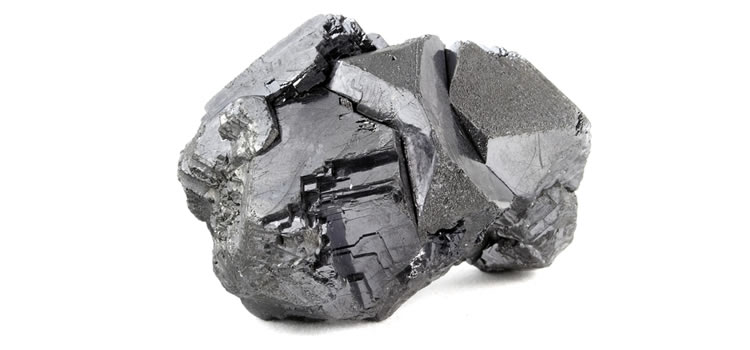
If you remember the news stories out of Flint, Michigan last year, then you’re well aware of the tragic health risks posed by lead in our drinking water.
Water that passes through old, corroded pipes can be contaminated with lead and other dangerous heavy metals. Lead is toxic to almost all of our organs and children are at the highest risk.
According to the Environmental Protection Agency, developmental issues, stunted growth, deafness, behavioral problems, learning disabilities, and brain damage can all result from exposure to lead. (8)
Frighteningly, a large number of school across America have unsafe levels of lead in their tap water and drinking fountains.
5. Arsenic

Arsenic is a highly-toxic chemical used in a multitude of industrial processes. It gets into tap water via improper disposal, or from wells that tap natural arsenic sources.
Arsenic poisoning causes vomiting, stomach cramps, diarrhea and, in extreme cases, death.
The Natural Resources Defense Council estimates that as many as 56 million Americans drink water contaminated by arsenic. If your water supply is sourced from wells or underground reservoirs, you should be especially careful to check the arsenic levels in your water.
This is not an exhaustive list — far from it.
But this list does serve to illustrate the potential health risks hidden in our drinking water. The important question to ask now is:
“What can I do to protect myself and my family?”
If thinking about the potential toxins in our drinking water frightens you, you’re not alone. It scares me too!
But I want to encourage all of us to be aware and concerned about our drinking water — not filled with fear.
Fear won’t do a drop of good when it comes to protecting our health — but educated action will.
I recommend requesting a Consumer Confidence Report from your municipal water supplier. You can do this in just a couple of minutes online by visiting this website.
The Consumer Confidence Report is a free resource provided by the Environmental Protection Agency that will allow you to see what kind and how much of a specific toxin is reported in your water supply.
This information is the first necessary step to ensuring your water is supporting your health, not harming it.
We’ll look at other ways to get the pure, healthy water you need in a future article.
Discover the surprising reason many people experience fatigue, weight gain, and brain fog — and how supporting your liver may help improve your overall health.Watch the full presentation here.