
For many adults, changes around the waistline seem to happen gradually and then all at once. Clothes fit differently, energy feels lower than it used to, and losing weight around the middle becomes increasingly frustrating. Many people assume this is simply part of getting older, but the story is often more complicated.
Not all belly fat behaves the same way.
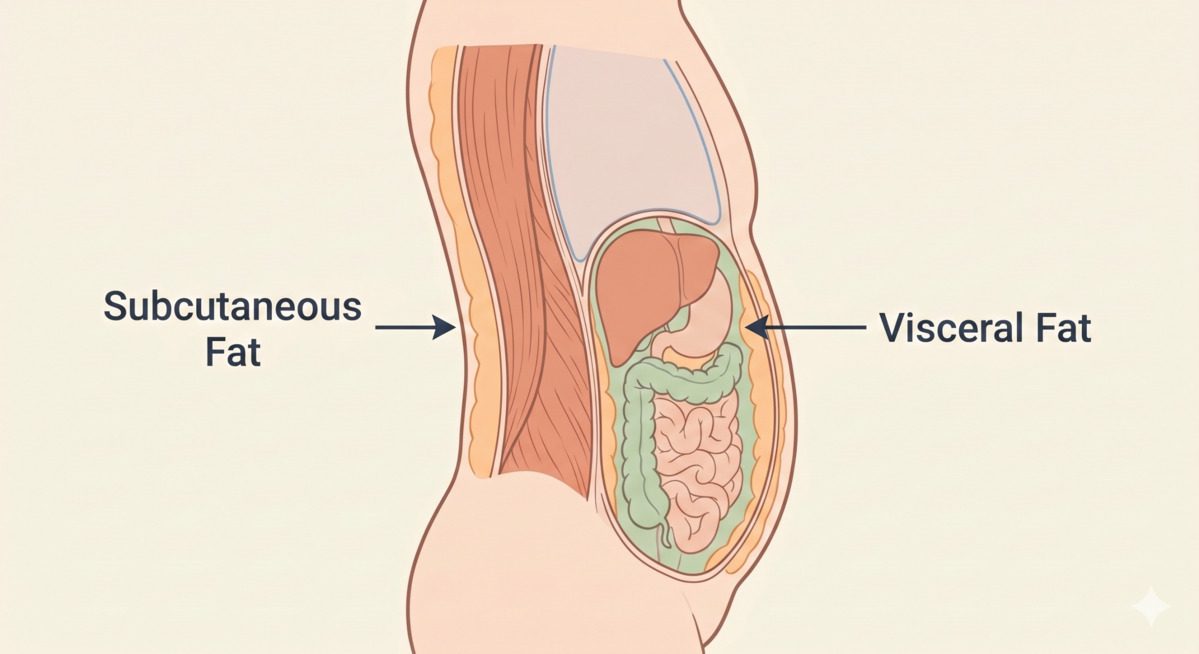
Some fat sits directly beneath the skin where you can pinch it with your fingers. Another type hides much deeper inside the body, surrounding major organs and quietly influencing metabolism, inflammation, blood sugar control, and overall health. This hidden fat is called visceral fat.
Unlike the softer fat found under the skin, visceral fat behaves differently because of where it is stored and how active it is inside the body. Understanding what causes visceral fat to build, why it matters, and what actually helps reduce it can make the process feel far more manageable and much less discouraging.
Because visceral fat interacts closely with metabolism, digestion, and liver function, many people find that supporting overall metabolic health early makes healthy lifestyle changes easier to maintain over time.
What Visceral Fat Actually Is and Why It Matters
Most people think of body fat as one thing, but your body stores fat in multiple ways. Subcutaneous fat is the softer fat located beneath the skin. It acts as stored energy, cushions the body, and provides insulation. Visceral fat, however, develops much deeper within the abdominal cavity, wrapping around organs such as the liver, pancreas, intestines, and kidneys.
Because visceral fat sits beneath muscle layers rather than directly under the skin, people may carry significant amounts without realizing it. In many cases, it contributes to the firm or protruding stomach shape that becomes increasingly common with age. Someone may appear only slightly overweight while still carrying higher amounts of visceral fat internally.
Researchers pay close attention to visceral fat because it is metabolically active. Rather than simply storing excess calories, visceral fat releases fatty acids, inflammatory proteins, and signaling compounds into circulation that may influence blood sugar regulation, cholesterol balance, inflammation, and insulin sensitivity over time.(1)
This distinction helps explain why body weight alone rarely tells the entire story. Two people can weigh nearly the same amount while having very different health risks depending on where body fat is stored. Higher visceral fat levels have been associated with increased risk factors for cardiovascular disease, insulin resistance, metabolic dysfunction, and poorer blood sugar regulation.(1)
Why Deep Belly Fat Often Increases With Age
Visceral fat rarely develops because of one isolated habit. More often, it builds gradually through years of small metabolic changes, lifestyle patterns, hormonal shifts, and changes in body composition.
One major factor involves how your body manages glucose. Every time carbohydrates are consumed, your digestive system converts them into glucose for energy. Insulin helps move that glucose into cells where it can be used or stored. Over time, diets high in refined carbohydrates, sugary beverages, heavily processed foods, and excess calories may overload this system. As cells become less responsive to insulin signals, excess energy becomes more likely to be stored around the abdomen.(2)
Age adds another layer to the equation. Beginning in midlife, adults naturally lose muscle tissue through a process called sarcopenia. Since muscle burns more energy than fat tissue, this gradual loss may lower calorie expenditure and make fat gain easier over time. Hormonal changes further complicate matters. Women often notice more abdominal weight gain during perimenopause and menopause as estrogen levels decline, while men frequently experience similar changes as testosterone levels gradually decrease.
Stress, poor sleep, and inactivity can amplify all of these processes. Elevated cortisol levels have been associated with greater abdominal fat accumulation, while inadequate sleep disrupts hormones that regulate hunger and fullness. Long periods of sitting may also reduce glucose utilization by muscle tissue, making it easier for excess calories to be stored rather than used for energy.
Rather than one single cause, visceral fat accumulation usually reflects multiple systems working less efficiently together over time.
The Overlooked Relationship Between Visceral Fat and Liver Health
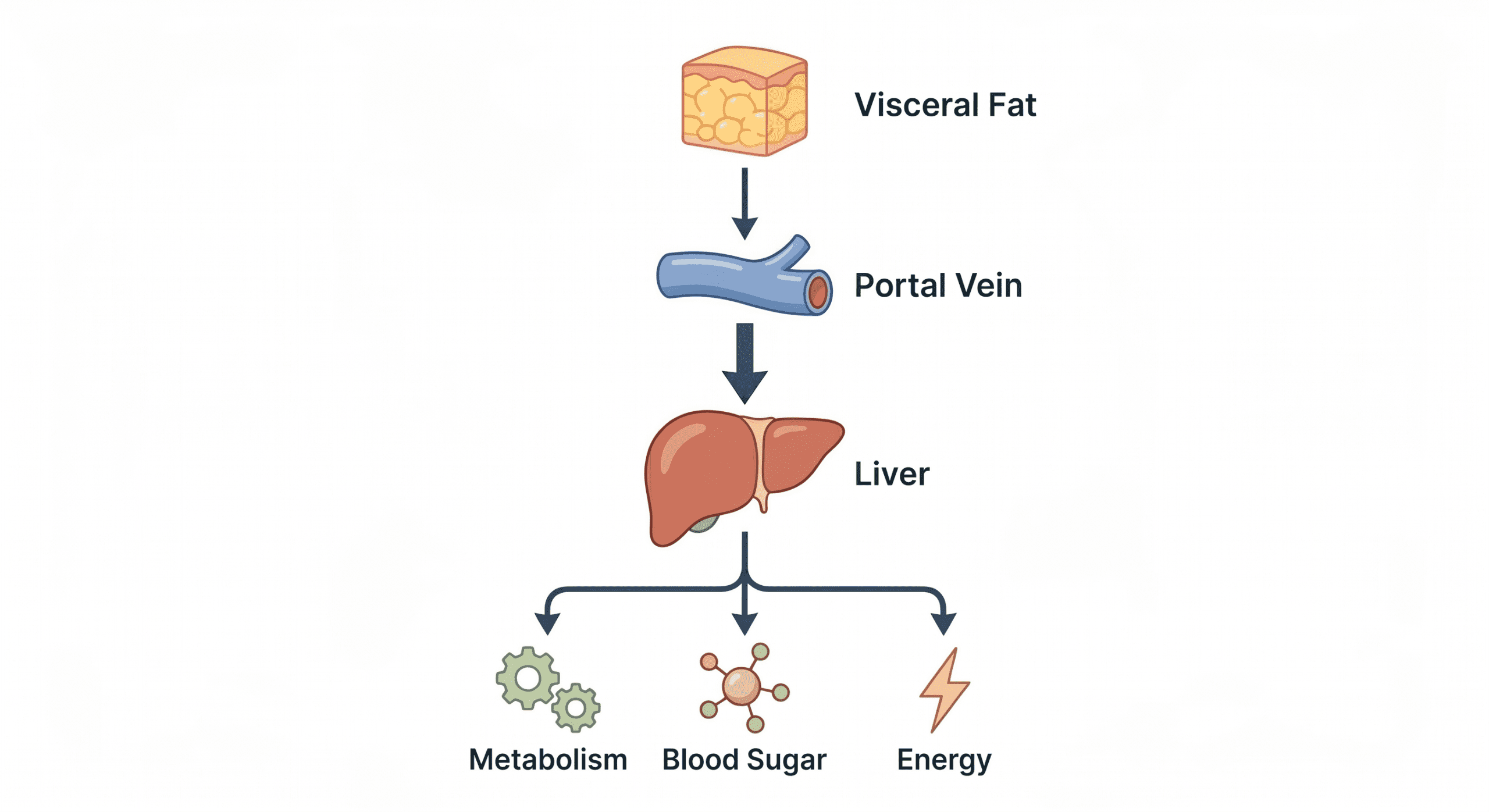
One reason researchers pay close attention to visceral fat is because of where it sits inside the body. Visceral fat is positioned close to the portal vein, which carries nutrients and absorbed compounds directly from the digestive system to the liver.
Because of this location, many of the fatty acids and inflammatory compounds released from visceral fat reach the liver quickly and in relatively high concentrations.(3)
Your liver plays an enormous role in maintaining metabolic health. It helps regulate blood sugar, process nutrients, manage cholesterol production, support fat metabolism, and process compounds absorbed through digestion.
Research suggests that excess visceral fat may increase the flow of fatty acids directly to the liver through portal circulation, potentially contributing to fat accumulation within liver tissue over time.(4) As liver fat accumulates, processes involved in blood sugar regulation, fat metabolism, and energy balance may become less efficient. This may create a cycle where metabolic health becomes increasingly difficult to maintain and abdominal fat becomes harder to reduce.
This relationship may help explain why people struggling with higher levels of visceral fat sometimes report persistent fatigue, more bloating, greater difficulty losing abdominal weight, or feeling like healthy habits are producing slower results than expected.
What Actually Helps Reduce Visceral Fat
The encouraging part about visceral fat is that it often responds well to gradual, consistent changes. Extreme diets and overly aggressive exercise programs may create temporary results, but sustainable habits tend to create more lasting improvements.
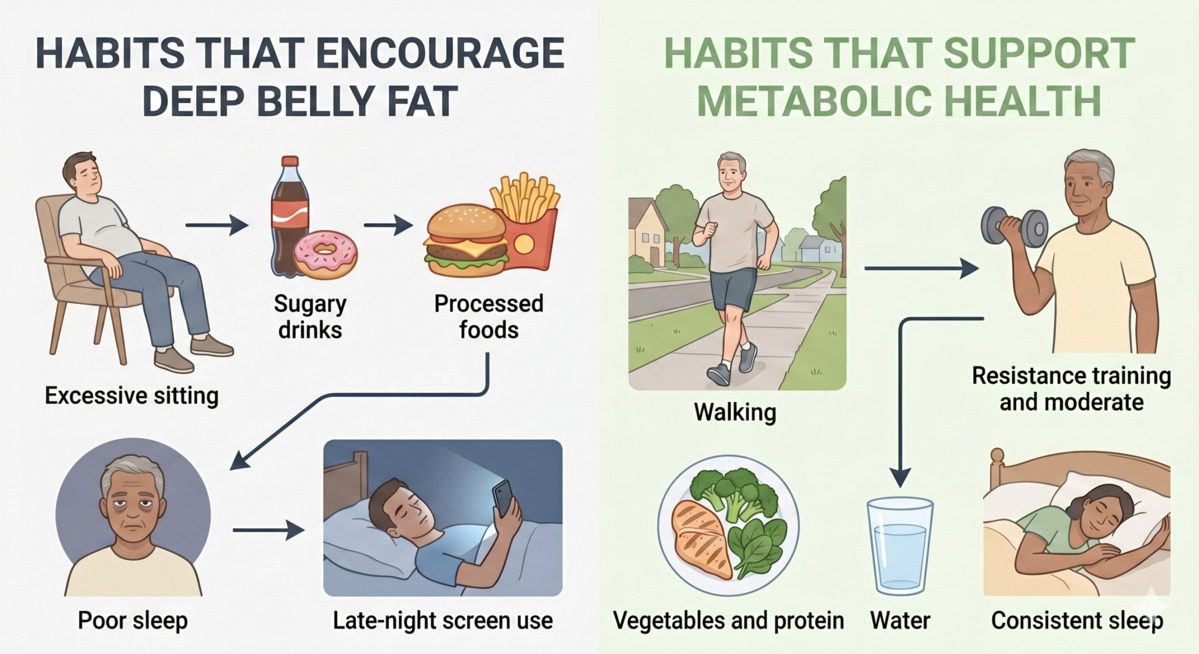
Movement remains one of the most effective tools available for reducing visceral fat. Research consistently shows that regular physical activity, particularly when combining aerobic exercise with strength training, may help reduce visceral fat while supporting healthier body composition over time.(5) Walking, cycling, swimming, hiking, resistance training, and even short movement breaks throughout the day may all contribute. Many people benefit more from exercising consistently four or five days each week than from occasional intense workouts because sustainable routines are easier to maintain long term.
Sleep quality deserves attention too. Adults regularly sleeping fewer than seven hours often experience changes in cortisol levels, hunger hormones, blood sugar regulation, and appetite control. Improving sleep hygiene through consistent schedules, limiting screens before bed, and developing evening routines may support healthier metabolic function.
Nutrition also matters, but not necessarily in the way many people expect. Rather than focusing exclusively on restriction, many experts recommend gradually replacing foods that encourage blood sugar spikes with foods that support steadier energy levels. Increasing lean protein intake, eating more fiber-rich foods, adding vegetables, and reducing highly processed foods may help support healthier metabolic patterns.
Liquid calories deserve special attention because they are often overlooked. Sugary beverages, specialty coffees, sodas, sports drinks, and sweet teas deliver calories rapidly and may contribute heavily to abdominal fat accumulation. Replacing even one daily sugary beverage with water or unsweetened alternatives may create meaningful changes over time. Green tea has also been studied because compounds called catechins may support abdominal fat reduction and healthy metabolism.(6)
Why Consistency Usually Matters More Than Perfection
Many people approach belly fat as purely a cosmetic problem, but visceral fat affects far more than appearance. Because this type of fat interacts closely with metabolic health, blood sugar regulation, liver function, and inflammation, improvements often show up in ways beyond the scale.
Energy levels may improve first. Bloating may decrease next. Waist measurements often change more slowly.
The most important thing to remember is that visceral fat reduction rarely comes from one perfect habit. Progress usually comes from supporting multiple systems at once through movement, nutrition, sleep, hydration, and long-term consistency.
Some people also choose to explore additional wellness support options alongside healthy daily habits as part of supporting healthy liver function, digestive health, and broader metabolic wellness.

If that sounds like something worth adding to your routine, take a look at what this liver support supplement offers. It was put together with exactly this kind of situation in mind.
Frequently Asked Questions
Can you have visceral fat even if you are not overweight?
Yes. People with normal body weight may still carry elevated amounts of visceral fat, sometimes referred to as metabolically obese normal weight.(7)
Why does belly fat become harder to lose after 40?
Hormonal changes, reduced muscle mass, lower activity levels, sleep disruptions, and metabolic shifts often combine to make abdominal fat easier to gain and harder to lose.
Does visceral fat respond faster than other types of fat?
Because visceral fat is metabolically active, it may respond faster to healthy lifestyle changes than subcutaneous fat, although results vary between individuals.
Take a look at what this liver support supplement offers
Sources
[1] NIH: Adipose Tissue and Metabolic Function
https://www.ncbi.nlm.nih.gov/pmc/articles/PMC4517310/
[2] PubMed: Dietary Carbohydrates and Visceral Fat Accumulation
https://pubmed.ncbi.nlm.nih.gov/19208909/
[3] Cleveland Clinic: Visceral Fat Overview
https://my.clevelandclinic.org/health/articles/24147-visceral-fat
[4] PubMed Central: Visceral Adiposity and Nonalcoholic Fatty Liver Disease
https://pmc.ncbi.nlm.nih.gov/articles/PMC5836075/
[5] Mayo Clinic: Belly Fat in Women: Taking and Keeping It Off
https://www.mayoclinic.org/healthy-lifestyle/womens-health/in-depth/belly-fat/art-20045809
[6] PubMed: Green Tea Catechins and Abdominal Fat
https://pubmed.ncbi.nlm.nih.gov/19074207/
[7] NIH: Metabolically Obese Normal Weight
https://www.ncbi.nlm.nih.gov/pmc/articles/PMC4731530/