Your liver is one of the hardest-working organs in your body. It filters toxins, helps regulate blood sugar, processes fat, and supports hundreds of other daily functions. So when fat starts building up inside it, the effects can ripple outward in ways that are easy to miss.
Fatty liver disease is more common than most people realize. Non-alcoholic fatty liver disease alone affects an estimated 30 to 40 percent of American adults, and many have no idea they have it.(1) Fatigue, brain fog, sluggish digestion, and stubborn weight can all be connected to liver function, even though they rarely point you in that direction.
The encouraging part is that nutrition plays a meaningful role in both preventing and managing this condition. Small, consistent dietary changes can make a real difference over time. You do not need an extreme plan to get started.
Understanding the Two Types of Fatty Liver Disease
Fatty liver disease is broadly defined as a condition where fat makes up more than five to ten percent of the liver’s weight. There are two main forms.
Alcoholic fatty liver disease is directly caused by heavy or prolonged alcohol use. The liver becomes overwhelmed trying to process alcohol, and fat accumulates as a result.
Non-alcoholic fatty liver disease (NAFLD) develops without significant alcohol use. It is most commonly associated with obesity, type 2 diabetes, high triglycerides, and metabolic syndrome. In some cases, NAFLD can progress to a more serious condition called non-alcoholic steatohepatitis (NASH), which involves liver inflammation and cell damage.(2)
Both conditions respond positively to dietary and lifestyle changes, though the approach may differ depending on the type and severity.
Nutrition for Alcoholic Fatty Liver Disease
If alcohol is the underlying cause, reducing or stopping intake is the most important first step. But the nutritional side of recovery matters just as much as many people realize.
Heavy alcohol use frequently leads to poor nutritional status. Alcohol suppresses appetite, delivers empty calories with no real nutritional value, and interferes with how the body absorbs and uses certain nutrients. Many people who have been drinking heavily for years are deficient in B vitamins, zinc, and other key micronutrients without knowing it.
Rebuilding nutritional status alongside stopping alcohol gives the liver what it needs to begin recovering. A well-balanced diet with adequate protein, healthy fats, and nutrient-dense whole foods is the foundation. Working with a doctor or registered dietitian is the most reliable way to build a plan that fits individual needs.

Nutrition for Non-Alcoholic Fatty Liver Disease (NAFLD)
For NAFLD, diet is one of the most effective tools available. Research consistently shows that moderate weight loss, around seven to ten percent of body weight over the course of a year, can meaningfully improve liver fat levels and reduce inflammation.(3)
The goal is gradual, sustainable change rather than dramatic restriction.
Prioritize Healthy Fats Over Harmful Ones
Not all fat affects the liver the same way. The type of fat you eat matters as much as the total amount.
Healthier fats to include:
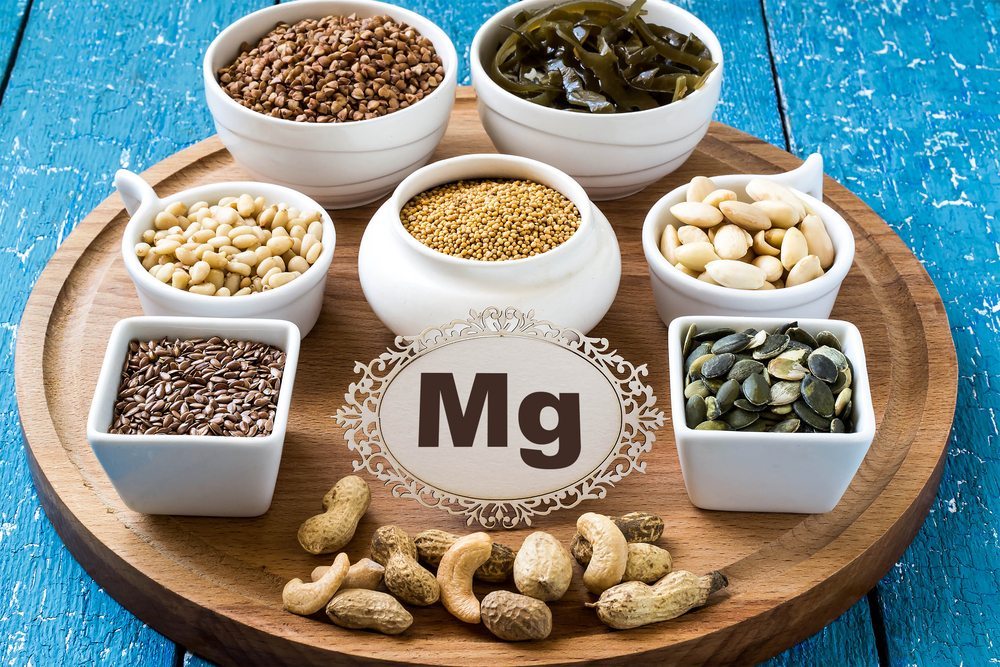
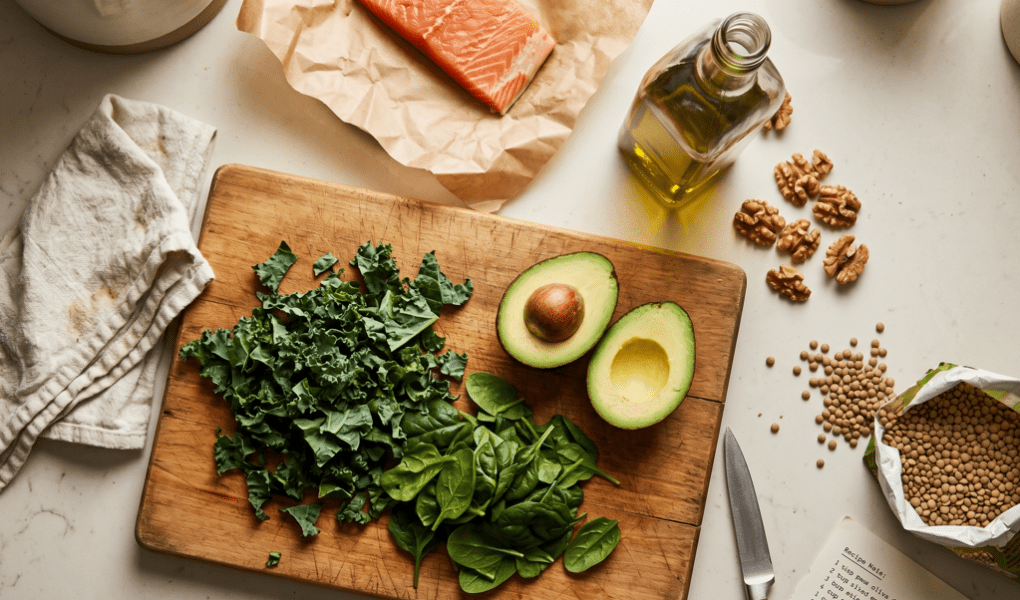
- Monounsaturated fats found in olive oil, avocado, and peanut oil
- Polyunsaturated fats found in walnuts, flaxseeds, and fatty fish like salmon
- Omega-3 fatty acids from fish, seafood, and plant sources like chia and flaxseed. These may help reduce liver inflammation and support healthier triglyceride levels.(4)
Fats to limit or avoid:
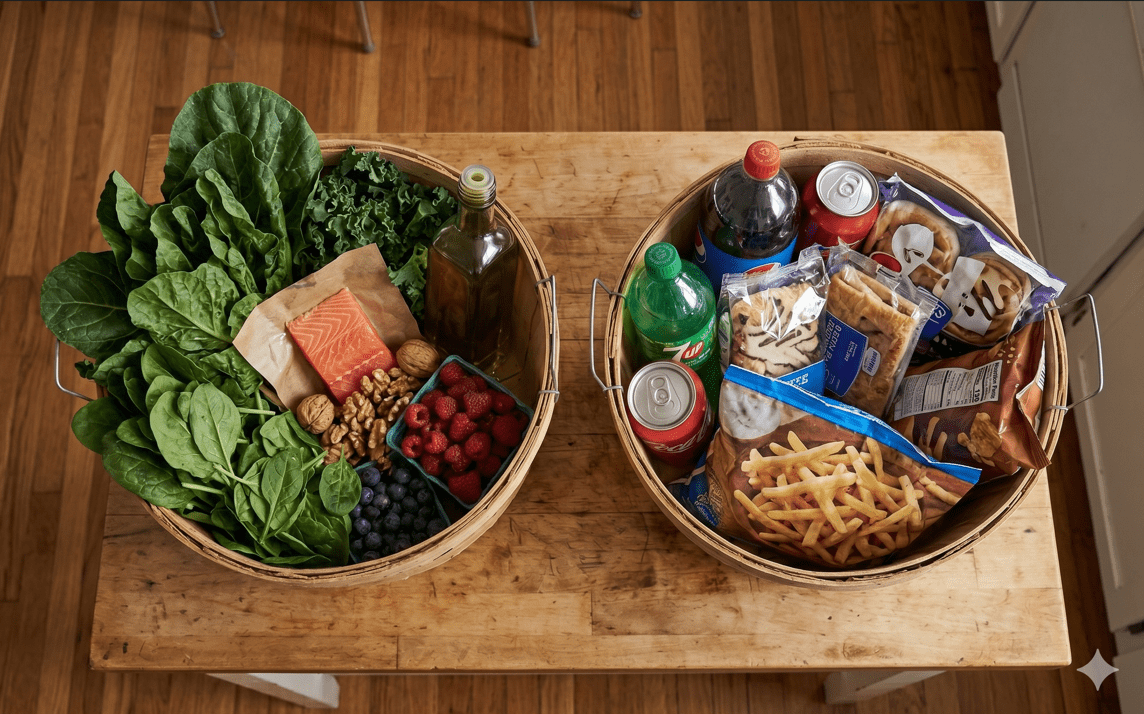
- Saturated fats found in red meat, full-fat dairy, butter, and tropical oils like palm and coconut oil. High intake is linked to elevated LDL cholesterol and increased liver fat.
- Trans fats found in fried foods, commercially baked goods, and anything listing hydrogenated or partially hydrogenated oil as an ingredient. These are particularly hard on metabolic and cardiovascular health.(5)
Watch Your Sugar Intake, Especially Fructose
This is one area that surprises a lot of people. Sugar, not just fat, is a significant driver of fatty liver disease, particularly when it comes to fructose.
When the liver processes excess fructose, much of it gets converted into fat. Over time this contributes to fat accumulation in the liver, elevated triglycerides, increased LDL cholesterol, and insulin resistance. Regular soda, sweetened drinks, candy, and processed foods made with high-fructose corn syrup are among the biggest sources.(6)
Swapping these for whole foods, including naturally sweet options like fruit, is one of the most practical changes you can make. Whole fruit contains fiber, which slows sugar absorption and makes a meaningful difference compared to processed sources.
Choose Lower Glycemic Index Foods
The glycemic index measures how quickly a food raises blood sugar. Foods lower on this scale are digested more slowly, leading to a more gradual rise in blood glucose and insulin levels.
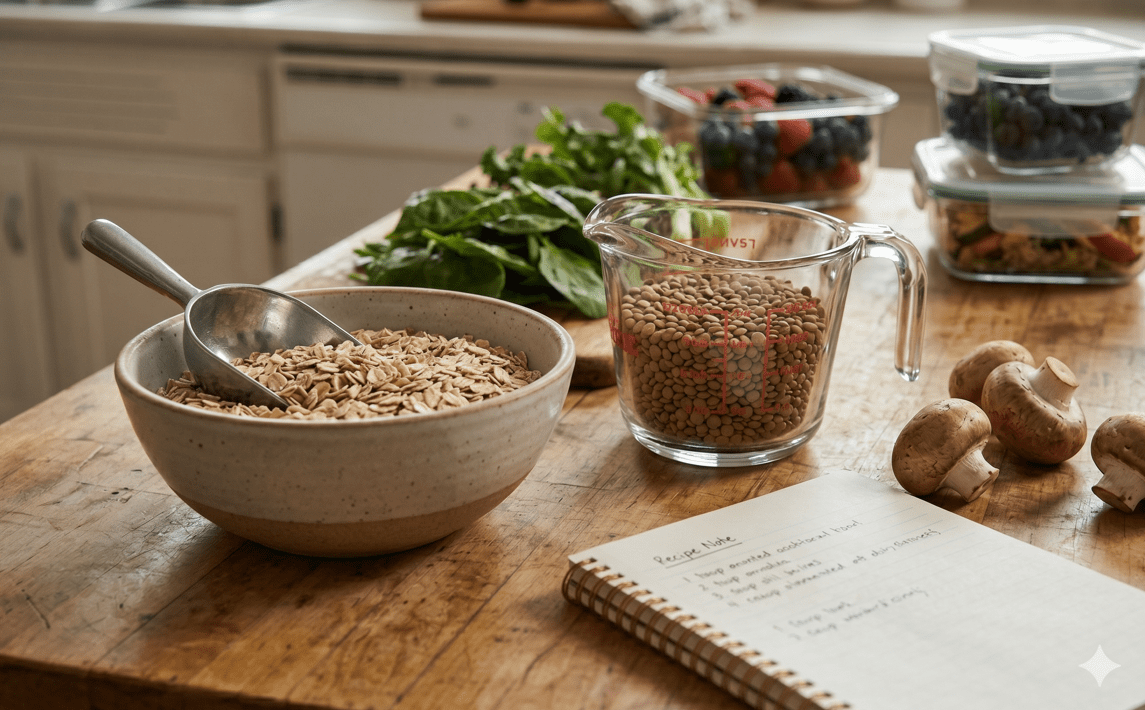
Foods with a lower glycemic index that tend to support liver health include:
- Oats and whole grains
- Lentils and chickpeas
- Leafy greens and non-starchy vegetables
- Mushrooms
- Most whole fruits
Highly processed carbohydrates, white bread, sugary cereals, and instant rice spike blood sugar quickly and can contribute to insulin resistance over time. Insulin resistance is closely tied to NAFLD progression and is worth paying attention to even if weight is not an immediate concern.(7)
Natural Compounds That May Support Liver Health
Beyond the basics of fat, sugar, and carbohydrate quality, certain natural compounds found in food and plants have shown promise in liver health research.
Silymarin, the active compound in milk thistle, has been studied in combination with vitamin E and calorie reduction. One clinical trial found improved liver enzyme results in NAFLD patients using this approach.(8)
DHA, a long-chain omega-3 fatty acid found in fatty fish and fish oil, has been studied alongside vitamin D with encouraging results for insulin resistance and liver function markers.(9)
Taurine combined with tea polyphenols showed benefit in animal studies related to non-alcoholic steatohepatitis, though more human research is still needed.(10)
Natural antioxidants including anthocyanins from red berries and red oranges, catechins from green tea, and resveratrol from red grapes have demonstrated beneficial effects in NAFLD research.(11)
Coffee is also worth mentioning. Regular coffee consumption has been repeatedly associated with lower liver enzyme levels and a reduced risk of liver disease progression in observational research. The mechanisms are still being studied, but the pattern is consistent enough to take seriously.
These compounds are not replacements for core dietary habits. They work best as part of a broader approach to liver support.
The Role of Physical Activity
Nutrition does not work alone. Physical activity is a consistent and well-supported part of managing fatty liver disease, even when weight loss is modest.
Regular movement helps improve insulin sensitivity, reduce visceral fat, lower triglycerides, and support liver function. It does not take extreme exercise to see a difference. Consistent moderate activity like brisk walking, cycling, or swimming is what the research tends to support most.(3)
Combining dietary changes with regular movement gives you a much stronger foundation than either approach on its own.

Putting It Into Practice
If you have been diagnosed with fatty liver disease, or if you simply want to support your liver over the long term, a few consistent habits tend to make the biggest difference:
- Replace refined carbohydrates with whole grains, legumes, and vegetables
- Limit added sugars and avoid high-fructose corn syrup when possible
- Use olive oil as your primary cooking fat
- Eat fatty fish two to three times per week
- Reduce portion sizes gradually if weight loss is a goal
- Limit or eliminate alcohol depending on your situation
- Move your body regularly, in whatever form you enjoy and can sustain
None of these are extreme. They build on each other over time, and that gradual accumulation is often where real improvement happens.
If you are interested in additional support beyond diet alone, it may be worth exploring options specifically designed to support healthy liver function. Understanding what your body may need is always a helpful place to start.
Learn More About Liver Support
Sources
- Younossi, Z.M., et al. (2016). Global epidemiology of nonalcoholic fatty liver disease. Hepatology. https://pubmed.ncbi.nlm.nih.gov/26707365/
- National Institute of Diabetes and Digestive and Kidney Diseases. Eating, Diet, and Nutrition for NAFLD and NASH. https://www.niddk.nih.gov/health-information/liver-disease/nafld-nash/eating-diet-nutrition
- Vilar-Gomez, E., et al. (2015). Weight Loss Through Lifestyle Modification Significantly Reduces Features of Nonalcoholic Steatohepatitis. Gastroenterology. https://pubmed.ncbi.nlm.nih.gov/25865049/
- Scorletti, E. & Byrne, C.D. (2013). Omega-3 fatty acids, hepatic lipid metabolism, and nonalcoholic fatty liver disease. Annual Review of Nutrition. https://pubmed.ncbi.nlm.nih.gov/23862644/
- American Heart Association. Trans Fats. https://www.heart.org/en/healthy-living/healthy-eating/eat-smart/fats/trans-fat
- Harvard Health Publishing. Abundance of fructose not good for the liver, heart. https://www.health.harvard.edu/heart-health/abundance-of-fructose-not-good-for-the-liver-heart
- National Institute of Diabetes and Digestive and Kidney Diseases. https://www.niddk.nih.gov/health-information/liver-disease/nafld-nash/eating-diet-nutrition
- Aller, R., et al. (2015). Effect of silymarin plus vitamin E in patients with non-alcoholic fatty liver disease. European Review for Medical and Pharmacological Sciences. https://pubmed.ncbi.nlm.nih.gov/26367736/
- Della Corte, C., et al. (2016). Docosahexanoic Acid Plus Vitamin D Treatment Improves Features of NAFLD. PLoS One. https://pubmed.ncbi.nlm.nih.gov/28033386/
- Zhu, W., et al. (2017). Taurine and tea polyphenols combination ameliorate nonalcoholic steatohepatitis in rats. BMC Complementary and Alternative Medicine. https://pubmed.ncbi.nlm.nih.gov/28854929/
- Salomone, F., Godos, J. & Zelber-Sagi, S. (2015). Natural antioxidants for non-alcoholic fatty liver disease. Liver International. https://pubmed.ncbi.nlm.nih.gov/25167860/