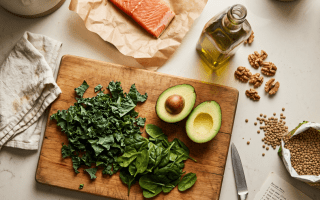

Your liver works around the clock whether you think about it or not.
While people often focus on the heart, brain, or digestive system, the liver may be one of the busiest organs in the body. It helps process nutrients, filters substances from your bloodstream, stores vitamins and minerals, regulates hormones, supports digestion through bile production, and helps metabolize medications. Researchers estimate the liver participates in more than 500 vital functions throughout the body.(1)
Because it performs so many jobs quietly in the background, liver stress often develops gradually. Changes in energy, digestion, metabolic health, or how you generally feel day-to-day may happen slowly enough that they become easy to overlook.
The encouraging news is that improving liver health usually does not require dramatic cleanses, expensive routines, or restrictive diets. Small habits repeated consistently often have the greatest impact over time.
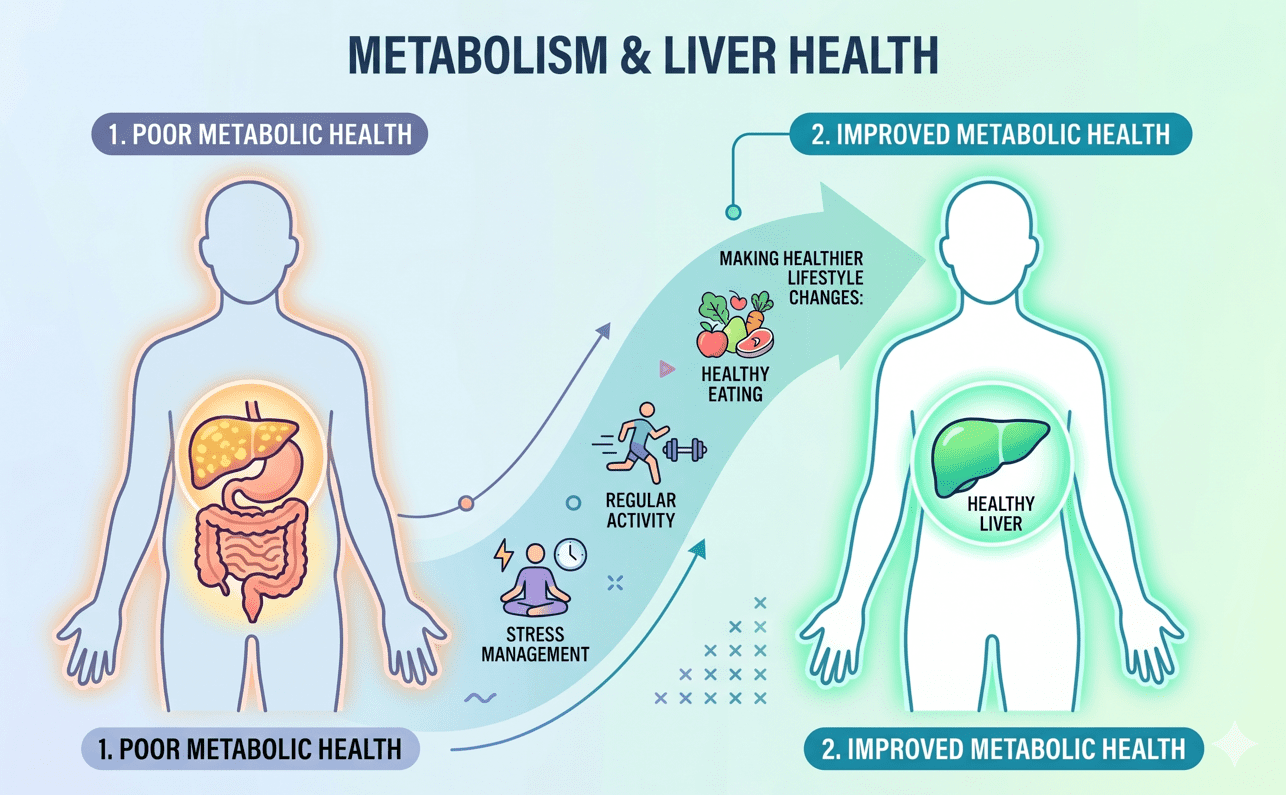
1. Maintain a Healthy Weight to Reduce Fatty Liver Risk
One of the biggest concerns in liver health today is excess fat accumulation inside liver cells.
You may still hear the older term NAFLD, or nonalcoholic fatty liver disease. Many healthcare organizations now also use MASLD, which stands for metabolic dysfunction-associated steatotic liver disease.(2)
Carrying excess weight, particularly around the abdomen, may place additional strain on the liver because abdominal fat is closely connected to insulin resistance and metabolic dysfunction. Over time, these changes may contribute to fat accumulation within the liver itself.
The good news is that modest changes often matter. Research suggests that losing even 5% to 10% of body weight may support healthier liver markers and reduce liver fat levels.(3)
Helpful starting points include:
-
- Increasing protein intake at meals
• Prioritizing fiber-rich foods
• Walking after meals
• Reducing heavily processed foods
• Improving sleep consistency
• Strength training a few times per week
- Increasing protein intake at meals
Perfection is not the goal. Sustainability is.
Many people find that pairing healthy lifestyle changes with ADDITIONAL LIVER SUPPORT STRATEGIES helps them stay more consistent with long-term wellness goals.
2. Take a Smarter Approach to Alcohol Consumption
Your liver performs most of the work involved in processing alcohol.
Heavy drinking is well known for increasing liver disease risk, but frequency and consistency matter too. Regular alcohol intake creates repeated work for the liver, which may become more significant when combined with metabolic issues, poor sleep, excess weight, or medication use.
Public health messaging has gradually shifted toward a simpler concept: less alcohol generally means less strain on the body.(4)
Consider asking yourself:
-
- How often do I drink each week?
• Am I using alcohol to manage stress?
• Do I regularly combine alcohol with medications?
• Have my habits changed over time?
- How often do I drink each week?
Reducing alcohol intake does not have to be all-or-nothing. Even reducing frequency may support overall health.
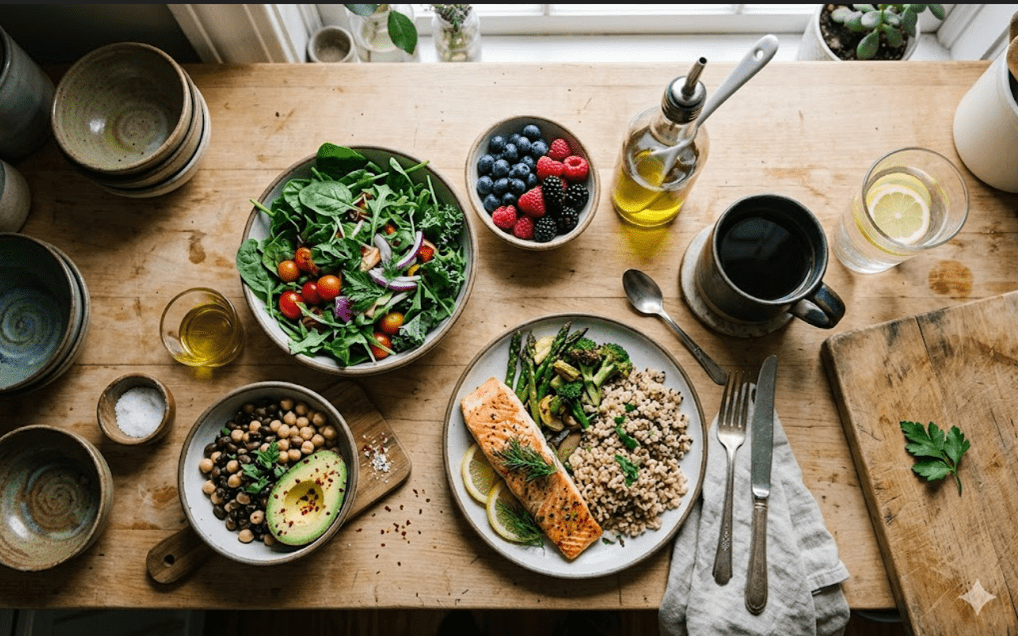
3. Eat Foods That Support Liver Function
Food choices influence how hard your liver works every day.
The goal is not following a perfect liver diet. It is creating a pattern that supports metabolic health and reduces unnecessary strain.
Increase Fiber Intake
Fiber-rich foods support digestion, blood sugar balance, and overall metabolic health.
Examples include:
-
- Oats
• Beans
• Vegetables
• Fruit
• Whole grains
• Seeds
- Oats
Choose Healthier Fats
Healthy fats may fit better into liver-friendly eating patterns than heavily processed alternatives.
Examples:
-
- Olive oil
• Nuts
• Avocados
• Seeds
• Fatty fish
- Olive oil
Reduce Excess Added Sugar
Large amounts of sugary beverages and highly processed foods may contribute to fat accumulation within the liver.
Drink Enough Water
Hydration supports digestion, circulation, and normal body function.
Consider Coffee
Coffee remains one of the most researched beverages in liver health studies. Moderate intake has been associated with healthier liver enzyme patterns and lower rates of fibrosis in some populations.(5)
Building healthier eating habits does not require perfection. Many people discover that combining nutrition changes with ADDITIONAL WELLNESS SUPPORT makes healthy habits easier to maintain.
4. Move Your Body Regularly
Exercise supports liver health through multiple pathways.
Physical activity may help:
-
- Improve insulin sensitivity
• Support weight management
• Reduce fat accumulation
• Improve circulation
• Support metabolic health
- Improve insulin sensitivity
The good news is that exercise does not need to look intense.
Walking, swimming, gardening, cycling, resistance training, and recreational activities all count.
Many people assume they need long workouts to make progress. In reality, consistency usually matters more than intensity. A 20-minute walk several days each week may provide more long-term benefit than occasional extreme exercise sessions.

5. Use Medications and Supplements Carefully
Your liver processes most substances you consume.
That includes:
-
- Prescription medications
• Pain relievers
• Vitamins
• Herbal products
• Supplements
• Over-the-counter medications
- Prescription medications
A few protective habits include:
-
- Following dosage instructions carefully
• Avoiding medication combinations without guidance
• Discussing supplements with healthcare providers
• Being cautious with aggressive detox products
- Following dosage instructions carefully
Some supplements have been associated with liver injury when used incorrectly or excessively.(6)
6. Reduce Everyday Environmental Exposure
Your liver helps process environmental exposures too.
These exposures may include:
-
- Household cleaners
• Smoke exposure
• Pesticides
• Aerosol sprays
• Industrial chemicals
- Household cleaners
Simple changes may help reduce unnecessary burden:
-
- Improve ventilation while cleaning
• Wear gloves when handling chemicals
• Avoid smoking or vaping when possible
• Reduce exposure to unnecessary chemicals
- Improve ventilation while cleaning
Reducing overall exposure simply gives your body less work to do.
7. Protect Yourself From Viral Hepatitis
Viral hepatitis remains one of the major contributors to liver disease globally.
Protective habits include:
-
- Staying updated on vaccines
• Practicing safer sex
• Avoiding blood exposure risks
• Discussing screening with healthcare providers
- Staying updated on vaccines
Many liver conditions develop gradually, making prevention especially important.

Signs Your Liver May Need More Support
Symptoms are often nonspecific, but common reasons people begin paying closer attention include:
-
- Persistent fatigue
• Brain fog
• Digestive sluggishness
• Difficulty managing weight
• Feeling sluggish after meals
• Abnormal lab results
- Persistent fatigue
These symptoms are not specific to liver disease, but they may be reminders to review overall health habits.
Final Thoughts
Your liver rarely asks for attention.
It simply keeps working.
Supporting liver health is usually not about doing one dramatic thing. It is often the result of repeated habits practiced consistently over time.
For those looking to go beyond nutrition and lifestyle habits alone, exploring LIVER-SUPPORTIVE WELLNESS OPTIONS may be a helpful next step within a broader routine.
Learn More About Liver Support
SOURCES
[1] National Institute of Diabetes and Digestive and Kidney Diseases (NIDDK).
Liver Disease Overview and Liver Function Information
https://www.niddk.nih.gov/health-information/liver-disease
Supports: liver performs 500+ functions, liver overview, general liver health background.
[2] National Institute of Diabetes and Digestive and Kidney Diseases (NIDDK).
Definition and Facts for MASLD / Previously Called NAFLD
https://www.niddk.nih.gov/health-information/liver-disease/nafld-nash/definition-facts
Supports: terminology change from NAFLD to MASLD and disease definitions.
[3] National Institute of Diabetes and Digestive and Kidney Diseases (NIDDK).
Treatment for MASLD / NAFLD
https://www.niddk.nih.gov/health-information/liver-disease/nafld-nash/treatment
Supports: 5% to 10% weight loss discussion, exercise guidance, liver fat reduction.
[4] Centers for Disease Control and Prevention (CDC).
Drinking Less Matters
https://www.cdc.gov/drink-less-be-your-best/drinking-less-matters/index.html
Supports: alcohol reduction messaging and lower alcohol intake recommendations.
[5] Kennedy OJ, Roderick P, Buchanan R, et al.
Coffee, Caffeine and Liver Disease: A Systematic Review and Meta-Analysis
https://pmc.ncbi.nlm.nih.gov/articles/PMC4862107/
Supports: coffee associations with liver enzymes and fibrosis research.
[6] American Association for the Study of Liver Diseases (AASLD).
Drug, Herbal, and Dietary Supplement Induced Liver Injury Guidance
https://www.aasld.org/practice-guidelines/drug-herbal-and-dietary-supplement-induced-liver-injury
Supports: supplement caution language and liver injury risk discussion.