
If you have been doing your homework on liver health and you are getting close to taking action, this guide is for you. Here you will find an honest look at what your body goes through during a liver cleanse, why the first few days can feel uncomfortable, and the real changes most people notice on the other side.
The First Few Days: Why It Might Feel Harder Before It Feels Better
This is the part most articles skip over, and it is the part that causes people to quit too early.
When you begin a liver cleanse, especially if your diet has included a lot of processed foods, alcohol, added sugar, or other substances your liver has been quietly managing, your body does not just quietly reset. It gets to work. That initial wave of activity can bring some temporary discomfort.
Some people experience what practitioners often call a healing response in the first few days. It is not a sign that something is wrong. It is often a sign that your body is doing exactly what it is supposed to do.
Common symptoms during this early phase can include:
- Fatigue or feeling more tired than usual
- Mild headaches
- Irritability or mood shifts
- Digestive changes, including bloating, loose stools, or constipation
- Skin breakouts
- Difficulty concentrating or brain fog
- Food cravings, particularly for sugar or alcohol
- Occasional cramping or mild discomfort
These symptoms are generally mild and temporary. Most people find they start to ease within two to four days.
Why Does This Happen?
There are a couple of things going on at once.
First, many of the things a liver cleanse eliminates (sugar, processed foods, alcohol) have genuinely addictive properties. When you remove them abruptly, your body can respond similarly to any withdrawal. The cravings, the headaches, the irritability are real, and they represent your body recalibrating.
Second, your liver is always filtering. But when you actively support it and reduce its burden, it can finally start processing the backlog, the accumulated waste that has been building up. This release can temporarily intensify some symptoms before things improve.
Think of it like finally getting around to a deep clean of a room you have been avoiding. It looks messier before it looks better, but only for a little while.
A few simple things can help ease this phase: drink plenty of water, prioritize sleep, and be gentle with yourself. This is not the time to push through an intense workout or skimp on rest. Your body is working hard.
What Changes After a Liver Cleanse
Once your body gets through the initial adjustment period, most people start to notice real, tangible shifts. These are not dramatic overnight transformations. They are the kind of steady improvements that make you realize how much you were not feeling your best before.
1. More Consistent Energy
When your liver is not under constant strain from processing excess toxins, your body can allocate resources more efficiently. Many people describe feeling lighter, with less of the mid-afternoon drag that comes from a diet heavy in processed foods.
2. Clearer Skin
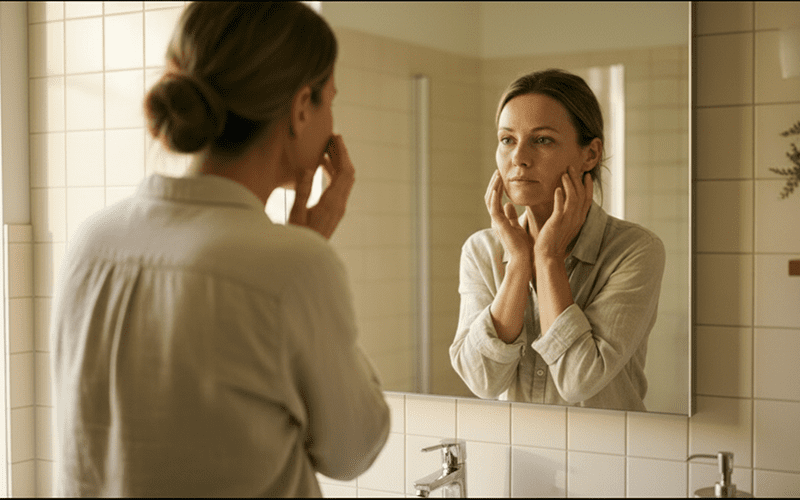
The liver plays a key role in filtering free radicals and metabolic waste. When it is functioning well, your skin often reflects that. Breakouts, dullness, and uneven texture can all be connected to how well your body is clearing waste, so it is not unusual to see your skin looking more even and clear in the weeks following a cleanse.
3. Less Bloating and Improved Digestion
Your liver produces bile, which is essential for breaking down fats and supporting healthy digestion. When liver function improves, digestive symptoms often follow. Many people find that the bloating or discomfort after meals they had accepted as normal starts to ease.
4. Reduced Inflammation
Chronic low-grade inflammation is increasingly recognized as an underlying factor in a wide range of health issues, from joint discomfort to fatigue. A cleaner internal environment, where the liver is effectively managing waste and toxins, can contribute to reduced inflammation throughout the body.
5. Better Mental Clarity
Brain fog is one of those symptoms that is easy to normalize because it creeps up gradually. Many people are surprised to find that after supporting their liver health, their thinking feels sharper and their mood more stable. The liver plays a role in clearing metabolic waste that can affect brain function, so when it is working better, you tend to think better too.
6. Improved Sleep
Sleep and liver health are more connected than most people realize. The liver does a significant amount of its repair and filtering work overnight. When it is less burdened, sleep quality tends to improve, and better sleep feeds everything else.
A Few Things Worth Keeping in Mind
Everyone’s experience is a little different. How significant your initial symptoms are, and how quickly you notice improvements afterward, depends on a lot of individual factors: your starting diet, your overall health, how your body responds to change, and how consistently you support the process.
A liver cleanse is not a one-time fix. It is most effective as part of a broader commitment to supporting your health: what you eat, how much you move, how you manage stress, and how much you prioritize rest. Think of it as a reset, not a solution on its own.
And if you have any existing health conditions or take medications, it is always a good idea to check with your doctor before making significant changes to your routine.
Supporting Your Liver Beyond the Cleanse
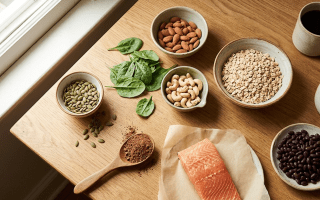
Many people find that the improvements they notice during a cleanse motivate them to be more intentional about their liver health on an ongoing basis. That might look like reducing alcohol and processed food, adding more vegetables (especially bitter greens like arugula, dandelion, and broccoli), staying consistently hydrated, and managing the kinds of daily stressors that quietly take a toll on your body over time.
Some people also find value in targeted nutritional support. Herbs and nutrients like milk thistle, dandelion root, and N-acetyl cysteine have been studied for their role in liver function. If you are curious about what supplemental support might look like for your situation, it is worth exploring what options are available and what the research actually says.
If you are looking for somewhere to start, it may be worth exploring what targeted liver support actually looks like and whether adding a quality supplement to your routine makes sense for where you are right now.
See what liver support options are available >>
Frequently Asked Questions
How long does it take to feel better after starting a liver cleanse?
Most people get through the initial adjustment period within two to four days. After that, improvements in energy, digestion, and mental clarity tend to build gradually over one to three weeks depending on individual factors like diet history and overall health.
Is it normal to feel worse when you first start a liver cleanse?
Yes, and it is one of the most common reasons people stop too early. When your liver gets the support it needs to process a backlog of waste, your body can temporarily feel the effects of that release. Mild fatigue, headaches, and digestive changes in the first few days are normal and usually short-lived.
What should you eat and drink during a liver cleanse?
Staying well hydrated is one of the most important things you can do. Water helps your body flush out what the liver is processing. Focus on whole foods, plenty of vegetables (especially leafy greens), and lean proteins. Avoid alcohol, processed foods, excess sugar, and fried foods during the cleanse period.
Can you exercise during a liver cleanse?
Light movement like walking or gentle yoga is generally fine and can even support the process by improving circulation and lymphatic flow. However, the first few days are not the time to push hard at the gym. Your body is doing significant internal work, and rest is part of that process.
How do you know if a liver cleanse is working?
Pay attention to how you feel in the two to three weeks following the cleanse rather than the first few days. Improved energy, better sleep, clearer skin, less bloating, and sharper mental focus are the kinds of gradual changes that suggest your body is responding well. Keeping a simple journal of how you feel each day can help you track shifts you might otherwise miss.
NEXT STEP
Your liver does a lot of quiet work every single day. If supporting it more intentionally feels like the right next step, it is worth taking a little time to explore what quality support can look like for your specific situation. Everyone’s body is different, but understanding what yours needs is always a great place to start.
Find out what might be right for you >>
Sources
- Cenikor Foundation. What to expect during detox. https://www.cenikor.org/resources/what-to-expect-during-detox/
- Wholistic Matters. What to expect during a metabolic detox. https://wholisticmatters.com/what-to-expect-during-a-metabolic-detox/
- Axe J. Liver cleanse: how to do a safe, effective liver flush. Dr. Axe. https://draxe.com/nutrition/liver-cleanse/
- BePure Health. Detoxing? Here’s what to expect. https://www.bepure.co.nz/blogs/news/detoxing-heres-what-expect
- Wells S. 5 signs of a successful and safe liver detox. Sadie Wells Health. https://sadiewellshealth.com/5-signs-of-a-successful-and-safe-liver-detox/