

Most conversations about weight loss eventually circle back to calories. Eat less. Move more. Repeat until frustrated. While energy balance still matters, researchers increasingly understand that body weight is influenced by many systems working together, including hunger hormones, blood sugar regulation, inflammation, sleep quality, digestive health, stress levels, and the trillions of microbes living in the gut. This complexity is one reason researchers continue paying attention to polyphenols, a large group of naturally occurring compounds found in plant foods.
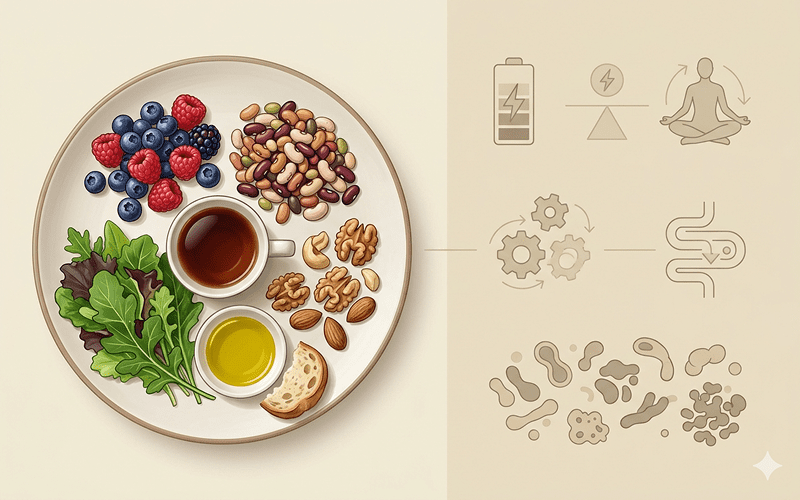
Polyphenols are not new. In fact, many people already eat them every day without realizing it. Coffee, berries, apples, olive oil, herbs, tea, dark chocolate, nuts, beans, and colorful vegetables all contain varying amounts of these compounds. Researchers are interested in polyphenols because diets naturally rich in them have repeatedly been associated with better long-term health outcomes, including healthier aging patterns, improved metabolic health, and better weight management over time.(1)
One of the more encouraging aspects of polyphenol research is that it does not require expensive specialty foods or extreme dietary rules. Most people can increase intake simply by eating a wider variety of whole plant foods more consistently.
What Are Polyphenols?
Polyphenols are naturally occurring compounds plants produce as a defense system. They help protect plants from environmental stressors such as ultraviolet light, insects, disease, and harsh growing conditions. When humans consume these compounds, researchers believe many continue interacting with systems throughout the body in ways that may support health.(1)
Scientists have identified thousands of polyphenols, but they generally fall into several major groups. Flavonoids are commonly found in berries, apples, onions, tea, and citrus fruits. Phenolic acids appear heavily in coffee, fruits, seeds, and grains. Stilbenes are present in foods such as grapes and peanuts, while lignans are abundant in flaxseed, legumes, and whole grains. While the names themselves are not especially important to remember, understanding that different foods provide different compounds helps explain why variety matters so much.
Research consistently suggests that eating a broad range of plant foods produces better outcomes than relying heavily on a single so-called superfood. Diversity appears to matter more than perfection.
Why Researchers Think Polyphenols May Support Weight Management
Weight management is often oversimplified. In reality, body weight regulation involves multiple systems constantly communicating with one another. Sleep influences hunger hormones. Stress changes appetite signals. Gut bacteria affect digestion and energy extraction from food. Inflammation influences metabolic health. Polyphenols appear interesting to researchers because they may interact with several of these systems simultaneously rather than affecting only one pathway.
Some research suggests certain polyphenols may influence metabolic pathways involved in insulin sensitivity, cellular energy production, and how efficiently the body processes nutrients.(2) This does not mean polyphenols create dramatic increases in metabolism or suddenly accelerate weight loss. Instead, they may support systems already responsible for maintaining metabolic health. These effects appear modest, but modest improvements sustained over time often matter more than short-term dramatic changes.
Gut health may be an even more important piece of the puzzle. The gut microbiome influences digestion, appetite regulation, immune function, blood sugar balance, and inflammatory signaling. Researchers now believe that many compounds in food interact with gut bacteria in ways that may shape long-term health outcomes. Polyphenols appear to help support microbial diversity while encouraging the growth of certain beneficial bacteria, which may partially explain why plant-rich eating patterns consistently perform well in health research.(3)
Learn More About What We Recommend
Chronic inflammation also deserves attention. Unlike the inflammation you notice after twisting an ankle, low-grade chronic inflammation often develops quietly and may persist for years. Researchers have linked persistent inflammation with obesity, insulin resistance, cardiovascular disease, and numerous chronic health concerns.(4) Polyphenol-rich dietary patterns have repeatedly been associated with healthier inflammatory profiles, though these benefits appear to come from long-term eating habits rather than any individual ingredient.
The Benefits Go Beyond Weight Loss
Weight loss tends to dominate wellness conversations, but focusing only on body weight misses much of the reason researchers remain interested in polyphenols. Higher intake patterns have been associated with better cardiovascular health, healthier blood vessels, improved blood sugar regulation, lower oxidative stress, and support for healthy aging.(4)
Part of the challenge with nutrition research is separating individual compounds from the overall dietary pattern. People who eat more polyphenol-rich foods usually consume more fiber, more fruits and vegetables, more plant diversity, and fewer heavily processed foods. That makes it difficult to identify one single hero nutrient, but it strongly supports the idea that eating patterns matter.
Polyphenol-Rich Foods Worth Adding More Often
Fortunately, increasing polyphenol intake does not require specialty supplements or complicated meal plans. Many of the richest sources are already familiar foods.
Coffee remains one of the largest sources of dietary polyphenols for many adults. Compounds called chlorogenic acids have been studied for their role in blood sugar regulation and insulin sensitivity, making moderate coffee consumption a reasonable fit for many healthy eating patterns.(5)
Berries are another standout category. Blueberries, raspberries, strawberries, cranberries, blackberries, and tart cherries contain anthocyanins, compounds responsible for their rich colors and frequently studied for antioxidant and anti-inflammatory effects.(6) Fresh and frozen options both work well.
Dark chocolate also earns its place on the list. Cocoa contains flavanols that researchers continue studying for cardiovascular and metabolic health support.(7) Higher cacao percentages generally contain more beneficial compounds, which is one reason many experts suggest choosing varieties containing 70% cacao or more.
Tea deserves attention too. Green tea and matcha contain catechins, compounds often studied for antioxidant activity and metabolic health support.(8) For people looking to replace sugary beverages, tea provides an easy place to start.
Other valuable sources include extra virgin olive oil, beans, lentils, flaxseed, nuts, herbs, spices, and colorful vegetables. Many spices, including turmeric, oregano, rosemary, cloves, parsley, and cinnamon, deliver surprisingly concentrated amounts of plant compounds despite being used in relatively small amounts.

Practical Ways To Eat More Polyphenols Daily
Many people struggle with nutrition advice because it feels like a complete lifestyle overhaul. Increasing polyphenol intake usually works better when approached through small upgrades instead.
Adding berries to breakfast, replacing sugary drinks with tea, using olive oil more regularly, adding beans to soups or salads, cooking with more herbs and spices, and keeping frozen fruit available are all relatively simple adjustments. These habits may not feel dramatic, but consistency tends to produce more sustainable results than extreme changes.
The goal is not perfect eating.
The goal is building routines you can repeat.

What Results Should You Expect?
Nutrition changes rarely work overnight. Most research examining dietary patterns measures results over months or years rather than days. Some people notice digestive improvements or more stable energy after increasing plant diversity and whole foods. Weight changes often happen more gradually.
That slower pace can feel frustrating in a world built around quick fixes, but gradual improvements are often easier to maintain.
Rather than viewing polyphenols as another wellness trend, it may help to think of them as part of a larger strategy: eating more plants, eating more variety, and building routines that support health consistently over time.
Learn More About Our Recommended Support Options
Sources
[1] Tsao R. Chemistry and biochemistry of dietary polyphenols. Nutrients. https://www.ncbi.nlm.nih.gov/pmc/articles/PMC3257627/
[2] Lagouge M, et al. Resveratrol improves mitochondrial function and protects against metabolic disease. https://pubmed.ncbi.nlm.nih.gov/17112576/
[3] Cardona F, et al. Benefits of polyphenols on gut microbiota and implications in human health. https://pubmed.ncbi.nlm.nih.gov/23849454/
[4] Tresserra-Rimbau A, et al. Polyphenol intake and health outcomes. https://pubmed.ncbi.nlm.nih.gov/24552647/
[5] Grosso G, et al. Coffee consumption and health outcomes. https://pubmed.ncbi.nlm.nih.gov/31055709/
[6] Cassidy A, et al. Anthocyanins and cardiometabolic health. https://pubmed.ncbi.nlm.nih.gov/22760515/
[7] Katz DL, et al. Cocoa and human health. https://pubmed.ncbi.nlm.nih.gov/23462053/
[8] National Center for Complementary and Integrative Health. Green Tea. https://www.nccih.nih.gov/health/green-tea
[9] Olive oil polyphenols and Mediterranean dietary patterns. https://pubmed.ncbi.nlm.nih.gov/32095830/