

It happens to all of us:
You’re not “going” as often as you’d like and it’s got you stressed, depressed and feeling a mess!
It’s a common problem that nobody wants to talk about. But there’s no reason to feel embarrassed. A lot of us – as many as 63 million Americans according to the American Journal of Gastroenterology – regularly deal with constipation.
And the news is even worse for ladies: Women are far more likely to suffer with constipation than men. It’s because food moves more slowly through a woman’s intestines, as well as the effect female hormones have on the GI tract.
Constipation can cause stomach pains, bloating, fatigue, back pain and can even lead to more serious health issues like diverticulitis and colon cancer.
Plus, the waste trapped in your colon could be forcing your stomach to swell by up to two additional pants sizes. Ugh.
But you don’t have to suffer from constipation anymore. In this article we discuss 7 natural, healthy ways to relieve constipation so you can enjoy more energy, better health and faster weight loss.
But first, you may be wondering…
What Causes Constipation?
The National Institutes of Health describes constipation as a condition in which you have fewer than three bowel movements in a week, and your stools are hard, dry and difficult, or even painful, to pass.
I don’t know about you, but that’s definitely not the kind of bathroom experience I want to have!
So what are the most common causes of constipation and why has this become a problem that affects so many of us?
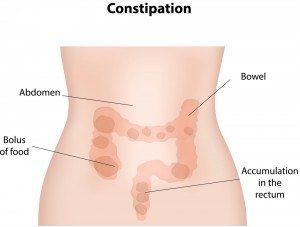
Some of the most common causes of constipation include:
- Not getting enough fiber in your diet
- Not drinking enough water
- Not exercising enough
- Prescription drugs and antacids
Sadly, this list describes the lifestyle habits of the vast majority of Americans. No wonder 63 million of us suffer from constipation!
The good news is that YOU don’t have to keep putting up with being backed up. Just by reading this article you’ve shown that you’re serious about good health, and you’re willing to take steps to get the glowing good health you deserve.
Now, before I share my 7 tips for constipation relief, let me address an important point…
What Does It Mean To Be “Regular”?
Your body is unique.
So “regular” for you might mean something different than what it means for your sister, neighbor or best friend.
Some people naturally have a bowel movement every day, while others feel fine going a few times a week. The important question to ask yourself is, “Am I comfortable?”
Remember, constipation isn’t just defined by three or fewer bowel movements per week, it’s defined by stools that are hard, dry and difficult to pass.

Personally, I believe that having a daily bowel movement is best for your health. And there’s another benefit of having a daily BM:
When you flush backed up poop out of your system not only do you FEEL much better, you let go of pounds of bloat so you’ll LOOK better too!
7 Healthy, Natural Ways To Relieve Your Constipation
- Eat more fiber. At every mealtime make sure to munch on fibrous foods, including a yummy mix of both soluble fiber (ex. beans, oatmeal, apples and oranges, flaxseeds, and lentils) and insoluble fiber (ex. whole grains, seeds, nuts, raspberries, and green veggies like broccoli and kale). Aim for between 20 and 35 grams of dietary fiber daily. The health you want and deserve starts with the foods you eat, so nosh on these fiber-rich constipation-busting goodies for a healthier, happier you!
- Hydrate. Constipation often happens when there isn’t enough water in your stool. That’s what leads to those hard, dry stools that are, quite literally, a pain in the backside. Try to drink at least 8 glasses of water a day. And steer clear of sugary drinks and diet soda as they can both wreck your digestive health and make your constipation much worse.
- Get active. You don’t need to run a marathon or sweat it out at the gym to get the activity your body needs to look and feel its best. Just 30 minutes a day of low-impact aerobic activity like stretching, walking or jogging (if you’re feeling ambitious) will get your GI tract moving and grooving!
Eliminate Wastes & Toxins in Your Body NOW!
Do you suffer from intestinal aches and pains? Are your cholesterol levels through the roof? Do you have unwanted fat?
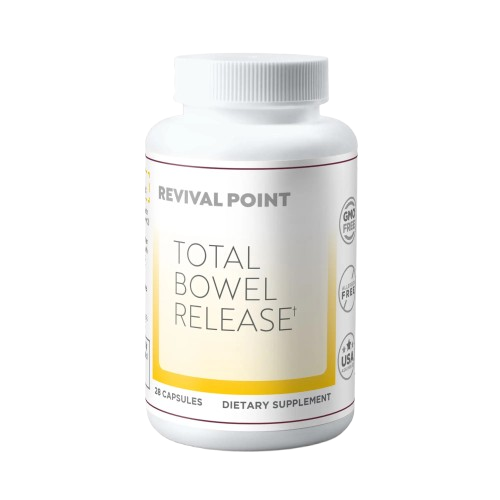
This Total Cleansing Formula is designed to gently flush toxins and waste from your digestive system. Total Bowel Release helps:
- Detoxify By Eliminating Wastes and Toxins
- Support Digestive System Health
- Promote a Mild Laxative Effect for Occasional Constipation Relief
- Promote Healthy Weight Loss
CLICK HERE TO LEARN MORE ABOUT TOTAL BOWEL RELEASE.
- Balance your gut bacteria. You may not realize it, but your belly is inhabited by a delicate balance of good and bad bacteria. When bad bacteria is running the show your digestive health suffers in all sorts of ways, including your body’s ability to have healthy, regular bowel movements. Probiotics are a great way to support your good bacteria and your digestive health. Make sure to include fermented, probiotic-rich foods like sauerkraut, pickles and kimchi to your menu.
- Answer Nature’s call. Listen: nobody likes to do their “business” while at the office, but holding it in till you get home could be causing your constipation. When Nature calls, make sure to answer on the first ring.
- Avoid antacids. Are you one of the 74% of Americans who, according to a survey conducted by New York University, regularly suffers from heartburn, acid reflux, stomach cramps and other symptoms of poor digestive health? If you take antacids to soothe your indigestion, you should read the ingredients list right now. Antacids that contain aluminum (one of the most common ingredients used in antacid formulas) are notorious for triggering constipation, says Dr. Benjamin Krevsky of Temple University.
- Relax. Work and family responsibilities. Rush hour traffic. Bills. We live in a highly stressful environment and this constant onslaught of stress can suppress your body’s ability to go. I strongly encourage you to take periodic breaks throughout the day (even as short as 5 minutes) to rest and relax. Think of them as “mini-vacations”. They can be as simple as gazing out the window, nibbling on a piece of dark chocolate, or chatting with a good friend. Not only will this regular relaxation benefit your digestive health it will do wonders for your head-to-toe health too!