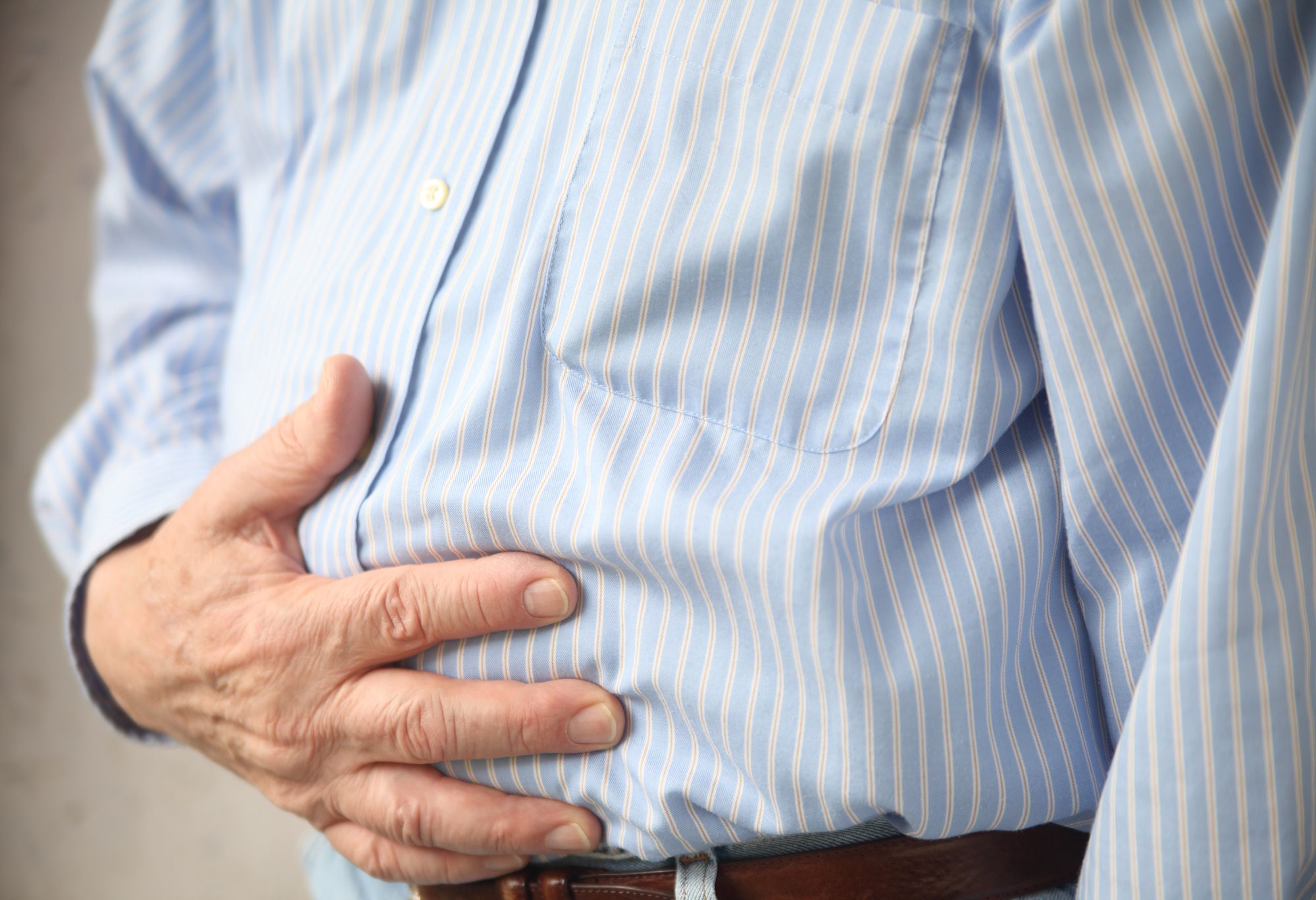

Your gut works harder than most people realize.
Every day, it helps break down food, absorb nutrients, support your immune system, and maintain the barrier between your digestive tract and the rest of your body. Most of this happens quietly in the background until something starts to feel off.
When gut health becomes unbalanced, the effects can show up in surprising ways. Bloating, occasional digestive discomfort, low energy, irregularity, food sensitivities, or simply feeling run down can sometimes be connected to what is happening inside your digestive system.
One reason gut health matters so much is because trillions of microorganisms live there. Together, they form your gut microbiome.
Probiotics are one of the most researched tools for supporting that microbiome. They are not a quick fix, and results vary from person to person, but research suggests certain probiotic strains may support digestive health, bacterial balance, and gut barrier function.
The key is understanding what probiotics actually do, how they support your digestive system, and why the right daily habits matter just as much as the supplement or food source you choose.
What Is Happening Inside Your Gut?
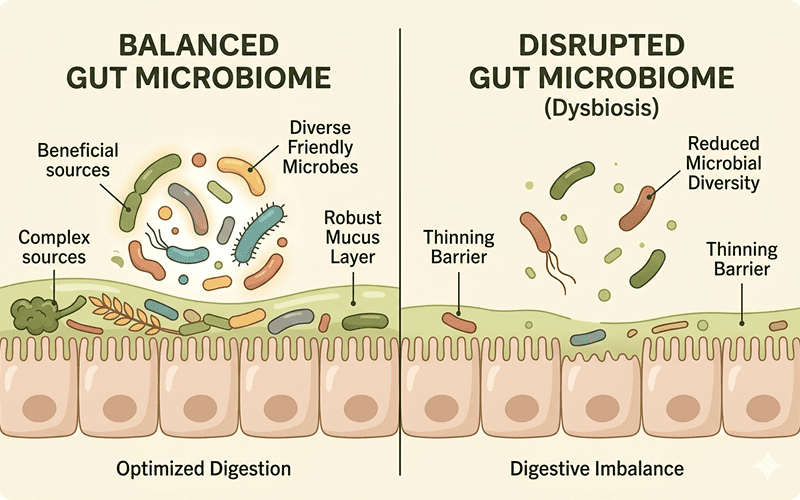
Your digestive tract contains trillions of bacteria and other microorganisms. These tiny organisms help create the environment your gut needs to function well.
A healthy gut microbiome helps break down food, produce helpful compounds, support immune function, and maintain the gut lining. It also helps keep less helpful bacteria from taking over.
When the microbiome is balanced, digestion often feels smoother. When that balance shifts, your gut can become more sensitive and less resilient.
Many everyday habits can disrupt that balance. Highly processed foods, chronic stress, poor sleep, antibiotics, and a low-fiber diet can all make it harder for beneficial bacteria to thrive.
That does not mean your gut is fragile. It simply means your digestive system responds to the environment you create for it day after day.
- break down food
- support nutrient absorption
- help maintain the gut lining
- support immune activity
- keep bacterial balance in check
What Probiotics Actually Are
Probiotics are live microorganisms that may support gut health when consumed in adequate amounts. Most are helpful bacteria, although some are yeasts.
You can get probiotics naturally through fermented foods. These foods have been part of traditional diets for generations and can be an easy way to add more live cultures to your routine.
Common probiotic foods include yogurt with live cultures, kefir, sauerkraut, kimchi, kombucha, and miso.
Probiotic supplements can also provide more concentrated amounts of specific strains. That can be helpful for people who want a more consistent option or who are looking for support in a particular area of digestive health.
One thing worth knowing is that not all probiotics work the same way. Different probiotic strains can have different effects in the body. Some are studied for regularity. Others are studied for immune support, gut lining integrity, or microbiome balance.
That is why it is better to look at probiotics as a category, not as one single thing. The strain matters. The amount matters. And the rest of your diet and lifestyle still matter too.
For many people, combining probiotic foods with additional digestive support strategies may help create more noticeable improvements over time.
Five Ways Probiotics Support Gut Health
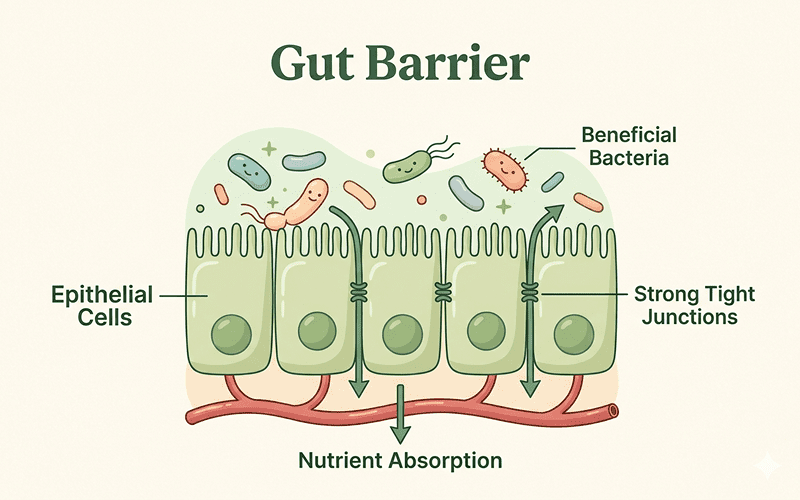
1. They Help Support the Gut Barrier
Your gut lining acts like a filter. Its job is to allow nutrients through while helping keep unwanted substances inside the digestive tract where they belong.
This lining is thin, but it is important. It helps separate what is inside your digestive tract from the rest of your body.
Certain probiotic bacteria help create compounds that nourish the cells of the gut wall. They may also help support the tight junctions that help maintain normal barrier function.
When the gut barrier is well supported, digestion, comfort, and nutrient absorption may all benefit.
2. They Help Maintain Microbiome Balance
Gut bacteria are always changing. What you eat, how well you sleep, your stress level, and certain medications can all influence the balance of bacteria in your digestive tract.
Probiotics help support balance partly by competing with less beneficial bacteria for space and nutrients. This helps create a healthier environment inside the gut.
A balanced microbiome does not mean every uncomfortable symptom disappears overnight. But it may help your digestive system function more steadily over time.
This matters because the gut is connected to more than digestion. Researchers continue to study how gut bacteria interact with immune function, metabolism, and overall wellness.
3. They May Help Support a Healthy Inflammatory Response
Occasional inflammation is part of the body’s normal defense system. The problem comes when the digestive tract stays irritated for too long.
When the gut environment is out of balance, it may send signals that keep the digestive system feeling unsettled. This can contribute to discomfort, bloating, or irregular digestion in some people.
Certain probiotic strains have been studied for their role in supporting immune balance in the gut. They may help the body maintain a healthier inflammatory response within the digestive tract.
Probiotics are not a substitute for addressing the root causes of digestive irritation. But supporting bacterial balance can be one helpful part of a broader gut health plan.
4. They Help Support Digestion and Nutrient Absorption
When food is not broken down efficiently, people often notice gas, bloating, or digestive discomfort.
Some probiotic bacteria contribute to digestive processes that help the body break food down more efficiently. This may support smoother digestion and better nutrient absorption.
Better digestion does not just affect how your stomach feels after a meal. It also influences how well your body uses the nutrients in the foods you eat.
5. Some Strains May Help Support Normal Elimination Processes
This is one of the more interesting areas researchers continue to study.
Certain probiotic strains have shown the ability to interact with substances found in food and the environment. Some research has looked at how specific strains may bind with certain compounds in the digestive tract.
This does not mean probiotics should be viewed as a detox cure. Your liver, kidneys, digestive tract, lungs, and skin all play roles in the body’s normal elimination systems.
A healthier microbiome may simply help support the digestive side of that process. That is a much more realistic and responsible way to think about probiotics and gut health.

Practical Ways To Support Your Gut
Probiotics work best when they are part of a bigger gut health routine.
Adding a probiotic food or supplement can be helpful, but beneficial bacteria also need the right environment to thrive. That environment is built through the small choices you repeat most often.
Start with simple habits before overcomplicating things. Eat more fiber-rich foods. Add fermented foods when you can. Drink enough water. Prioritize sleep. Move your body. Reduce ultra-processed foods when possible.
If you are considering a supplement, look for one that lists specific probiotic strains rather than only saying “probiotic blend.” Strain names give you a clearer idea of what you are actually taking.
Results vary. Some people notice digestive changes within a few weeks. Others need more time or may need to address other parts of their routine first.
Gradual progress is normal. Dramatic overnight changes are not the goal. The goal is to help your digestive system become more balanced and resilient over time.

The Bigger Picture
Your gut influences far more than digestion. Researchers continue to study how the microbiome may affect immune health, nutrient absorption, inflammation, and overall wellness.
Supporting gut health does not require perfection. You do not need to eat perfectly, avoid every processed food forever, or follow a complicated plan.
Small, consistent habits often matter more than trying to overhaul everything at once.
Probiotics are only one piece of the puzzle, but they remain one of the most studied tools available for supporting gut microbiome balance and digestive health.
If you are exploring ways to improve digestive wellness, learning more about additional gut support options may be a reasonable next step.
Fix your digestion from the inside out—start here
Sources
1. Sender R, et al. Revised Estimates for the Number of Human and Bacteria Cells in the Body. Cell. 2016. https://pubmed.ncbi.nlm.nih.gov/27592805/
2. National Institutes of Health. Gut Microbiota. https://pmc.ncbi.nlm.nih.gov/articles/PMC6723658/
3. Cleveland Clinic. Probiotics. https://my.clevelandclinic.org/health/articles/14598-probiotics
4. NCBI. Probiotics in the Gut: Helping Prevent Toxins, Allergens, and Pathogens. https://www.ncbi.nlm.nih.gov/pmc/articles/PMC3864899/
5. PubMed. Gut Microbiota and Systemic Immunity. https://pubmed.ncbi.nlm.nih.gov/29769003/
6. NCBI. Probiotics and Mucosal Healing. https://www.ncbi.nlm.nih.gov/pmc/articles/PMC5307257/
7. NCBI. Lactic Acid Bacteria and the Removal of Heavy Metals. https://pmc.ncbi.nlm.nih.gov/articles/PMC4566437/