You’ve probably heard parents say that a baby’s cry isn’t just a loud noise, but a way for the baby communicate her specific needs. After all, a newborn baby can’t use words to express her hunger or fear.
Even though you’re not an infant, your body actually functions in a very similar way.
You may not wail and cry, but your body sends other signs to communicate its needs. Constipation is one common method that your body uses to signal the presence of a problem and the need for serious change.
What is your constipation saying about your body?
Signs and Symptoms of Constipation When You’re Constipated
Constipation is defined as infrequent bowel movements and the difficult passage of stool. It might last a few weeks or persist over many months. If you have less than three bowel movements a week, you might be constipated.
Some constipation symptoms are clearly related to your body’s inability to properly move waste out of the colon and rectum:
- Having lumpy or hard stool
- Straining to pass stool
- The sensation of a blockage in the rectum preventing bowel movements
Can Constipation Cause Abdominal Pain?
However, other symptoms are more subtle. You may not automatically connect them to constipation.
Perhaps you’ve wondered if your discomfort could correlate to constipation. And Can constipation cause abdominal pain? Can constipation cause body aches? Can constipation cause lower back pain?
The answer is yes, yes, and yes.
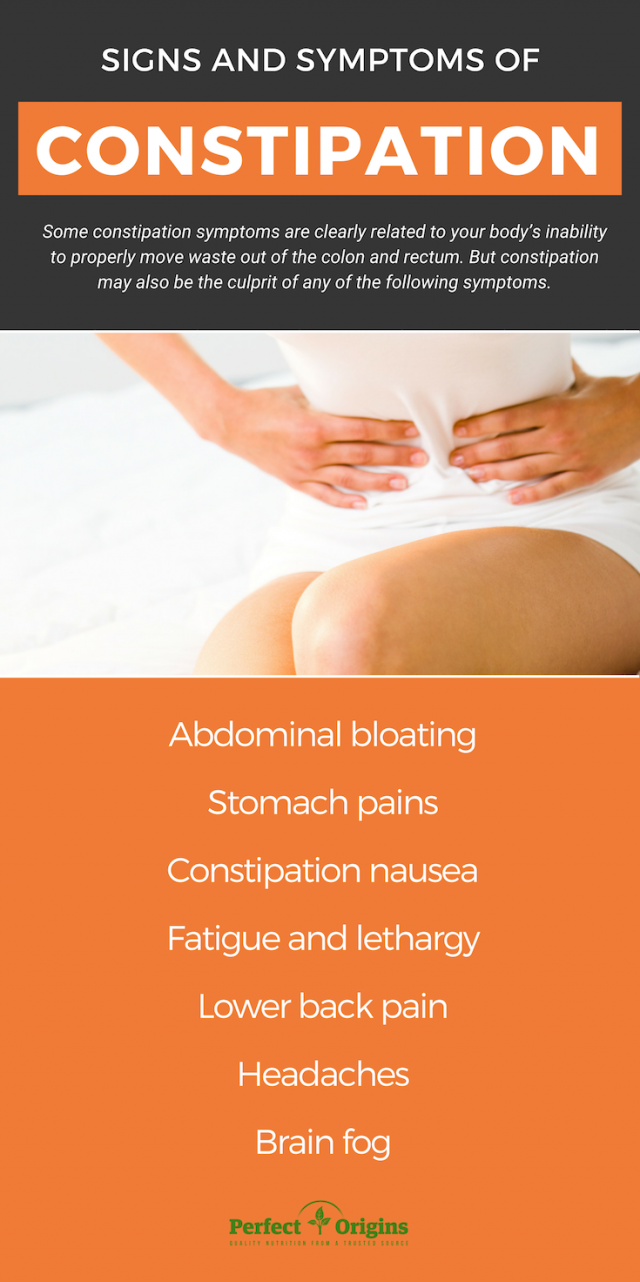
Constipation may be the culprit of any of the following symptoms:
- Abdominal bloating
- Stomach pains
- Constipation nausea
- Fatigue and lethargy
- Lower back pain
- Headaches
- Brain fog
By connecting with your body’s “voice” to understand the meaning of your symptoms, you can start to overcome health problems and embrace a newfound vitality.
What Does Constipation Say About Digestive Health?
In addition to gas and bloating, constipation is one of the first signs that your digestive health needs some attention.
Imagine your digestive system as a highway for all of the food and waste in your body. After food is chewed in the mouth, it travels through the esophagus and into the stomach where gastric juices called enzymes break the food into smaller bits. The food then moves into the small intestine, which is responsible for absorbing vitamins and minerals to be used to repair cells and tissues throughout the body.
All remaining waste then moves into the large intestine This is where the colon absorbs excess water while bacteria in the colon break down remaining waste material and move everything into the rectum. Waste is stored in the rectum until eliminated from the body as stool.
Constipation occurs when this carefully balanced system doesn’t occur properly. You might find yourself wondering, why does it hurt when I poop?
It’s likely that your eating habits are causing digestive issues and constipation. If you don’t eat enough fiber and drink plenty of water every day, stool remains stagnant inside of your colon instead of bulking up and moving out of your body.
Following the standard American diet makes you vulnerable to constipation due to a heavy emphasis on processed and refined foods. How many of these foods do you eat on a regular basis?
- White breads
- Fried foods
- Fatty meats
- Pastries and baked goods
- Refined carbs like pasta, cereal, crackers, chips
- Soda, juice, and other sugary beverages
Taking the necessary steps to re-calibrate your digestive system will prevent constipation and keep waste moving smoothly through your body.
What Does Constipation Say About Toxins?
Our daily lives are overwhelmed by the presence of toxins, chemicals, pollutants, and other dangerous waste products that accumulate in the body and wreak havoc.
Toxins bury themselves into the smallest nooks and crannies of your inner systems, often hiding for weeks or months and causing symptoms that you struggle to resolve.
Constipation is one subtle yet common sign that your body is overloaded with toxins and your natural elimination organs are overworked and sluggish.
As your digestive system works to process the foods you eat, your liver and kidneys focus on capturing toxins and pushing them out of your body.
- The kidneys filter the blood and excrete all waste as urine
- The ureters transport urine to from the kidneys to the bladder
- The lungs remove carbon dioxide
- The large intestines collects and removes solid waste to create bowel movements
- The liver detoxifies and breaks down chemicals and toxins
- The sweat glands in the skin excrete waste and toxins through perspiration
As you eat processed foods and inhale pollutants in the air, your excretory system becomes “kinked” and overloaded by everything it is forced to filter. Toxins start hiding in fat cells since they are trapped in the body, and it doesn’t take long for constipation to occur as a result.
What Does Constipation Say About Your Risk of Complications?
Constipation itself isn’t a dangerous condition, but left untreated it can cause serious health complications.
Imagine pounds of hardened waste, toxins, and stool accumulating in your colon. Excess waste- up to 25 pounds of poop!- can become trapped in your colon and accumulate until it diminishes every aspect of your wellness and quality of life.
Chronic constipation puts you at risk of everything from lethargy and irritability to long term gastrointestinal issues. There have even been cases of adults undergoing surgery to have their hardened waste removed from their bodies!
How To Fix Constipation
More than anything else, adding fiber-rich foods to your diet has the ability to prevent constipation and keep you regular.
Leafy green vegetables, oatmeal, cooked lentils, apples, almonds, and peaches are just a few of the delicious and satisfying choices that keep your digestive system moving.
The amount of fiber you should consume depends on your unique needs. Women should consume about 25 grams of daily dietary fiber, while men should aim for 38 grams per day. If a fiber-rich diet alone doesn’t fix your constipation, try other natural methods.
Add Water, Water, and More Water
Fiber and water make the perfect match. Bulking up on fiber won’t improve your digestive system without increased water intake as well.
Water helps fiber do its job by keeping stool soft and bulky. It also keeps the food you eat moving through your intestines at a regular pace. This explains why dehydration is a leading cause of chronic constipation.
Drinking at least 8 cups of water per day will properly nourish your body and prevent your colon from stealing water from your food waste. If you struggle to include enough water in your diet, try adding natural flavorings like lemon, orange, or peppermint.
The Best Formula For Constipation
The best formula for constipation is designed to gently deliver a laxative effect for constipation relief.
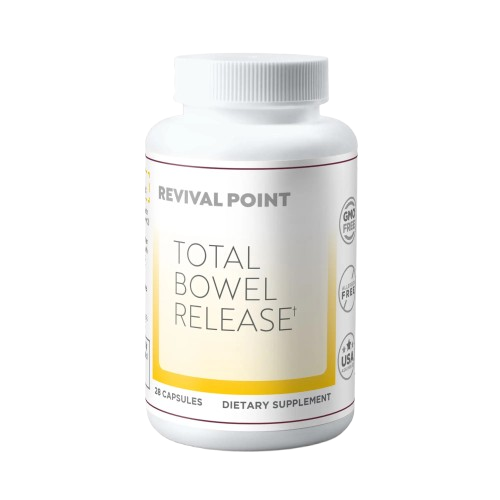
Total Bowel Release features Digexin, a cutting-edge natural ingredient known for its ability to enhance the digestive process and promote a healthy balance of gut bacteria.
Digexin provides a gentle, effective solution for relieving constipation and bloating, making it perfect for daily use without the risk of dependency or discomfort.
The Bottom Line
Constipation is miserable, uncomfortable, and embarrassing, and it’s important to understand what your body is trying to tell you through constipation.
You could have digestive issues, toxicity problems, or other health conditions that you need to resolve in order to overcome constipation.
Fortunately, simple dietary changes and the use of a gentle formula like Total Bowel Release can help you prevent constipation in the future.
Eliminate Wastes & Toxins in Your Body NOW!
Do you suffer from intestinal aches and pains? Are your cholesterol levels through the roof? Do you have unwanted fat?
This Total Cleansing Formula is designed to gently flush toxins and waste from your digestive system. Total Bowel Release helps:
- Detoxify By Eliminating Wastes and Toxins
- Support Digestive System Health
- Promote a Mild Laxative Effect for Occasional Constipation Relief
- Promote Healthy Weight Loss
CLICK HERE TO LEARN MORE ABOUT TOTAL BOWEL RELEASE.