

When most people think about the liver, they think about detox. That makes sense. The liver filters blood, processes nutrients, breaks down compounds, and helps remove waste.
But focusing only on detox misses the bigger picture.
Your liver quietly supports hundreds of functions every day, including some of the systems that influence how well your immune system responds, recovers, and maintains balance. Researchers now understand that the liver is far more than a processing center. It communicates with immune cells, influences inflammation, interacts closely with gut health, and helps regulate many of the systems that keep the body functioning normally. (1)
For many adults, especially after 40, this connection becomes more noticeable. Recovery may feel slower. Energy may fluctuate more. Digestive changes may become harder to ignore.
Supporting immune health is not always about adding more. Sometimes it starts with supporting the systems already doing the work behind the scenes.
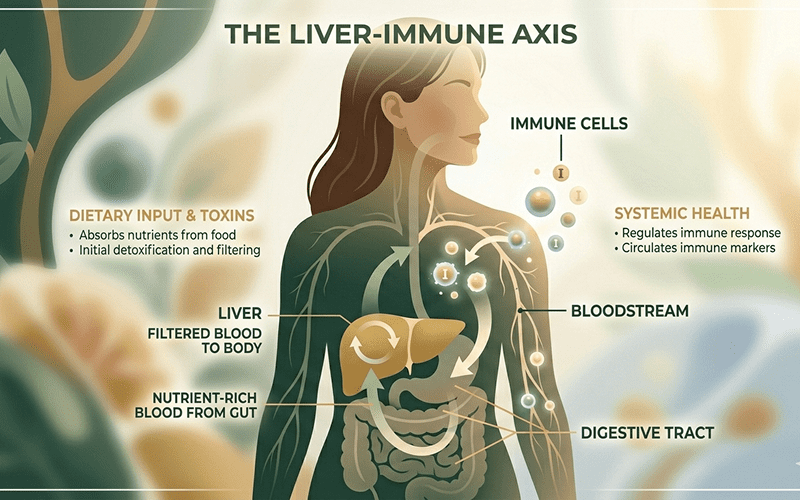
Why the Liver Is Sometimes Called an Immune Organ
The liver sits in one of the busiest intersections in the body.
Everything absorbed through digestion eventually reaches the liver. Nutrients, medications, bacteria, toxins, alcohol, and waste products all pass through this checkpoint.
Because of that workload, the liver contains large populations of immune cells that help identify what should move forward and what should be filtered, processed, or neutralized. Scientists increasingly describe the liver as an immune organ because of how actively it participates in immune signaling and inflammatory responses. (1)
Think of it less like a simple filter and more like a control center.
10 Ways Liver Health Shapes Your Immune System
1. It Helps Recycle Red Blood Cells
Your liver helps break down aging red blood cells and recover useful materials that the body can reuse.
Why does this matter for immunity?
Immune cells require oxygen and energy to function properly. Efficient oxygen delivery helps support normal immune activity and cellular communication. (2)
Small foundational systems often influence health more than people realize.
2. It Houses Important Immune Cells
The liver contains specialized immune cells including macrophages and natural killer cells.
These cells help identify damaged cells, monitor threats, and maintain balance within the immune system. Researchers continue learning more about how much communication happens between these liver-based immune cells and the rest of the body. (1)
When people think about immunity, the liver rarely gets credit for the work happening quietly in the background.
3. It Helps the Body Recognize Threats
Your immune system needs information before it can respond appropriately.
Specialized liver cells help process antigens and communicate with other immune cells so the body can better recognize what deserves attention. (2)
Without these communication systems, immune responses become less coordinated.
4. It Connects Gut Signals to Immune Responses
Blood from your digestive tract travels directly to the liver through a system called portal circulation.
This creates constant communication between gut health and liver health.
Because much of immune function interacts closely with the digestive tract, disturbances in gut balance can create ripple effects throughout the body. (3)
5. It Supports First Response Defenses
Your immune system has different layers.
Innate immunity acts quickly while adaptive immunity builds targeted responses over time.
Many innate immune activities occur within and around the liver because of its role monitoring incoming substances from digestion and circulation. (1)
This is one reason liver health often influences much more than digestion alone.
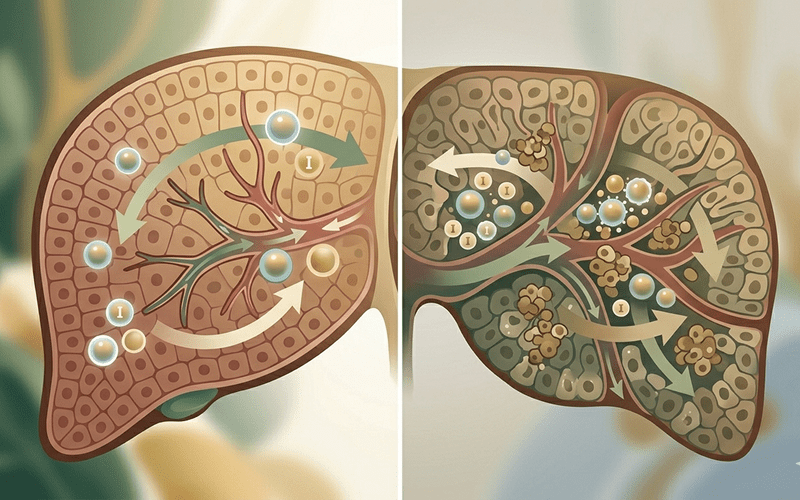
6. It Helps Maintain a Healthier Internal Environment
The liver processes substances from food, medications, hormones, and metabolic waste before they circulate widely.
When these filtering processes function normally, immune cells operate in a more balanced internal environment. (2)
Supporting liver health is often less about doing more and more about reducing unnecessary stress on the body.
7. It Influences Gut Health
The relationship between the gut and liver works both directions.
Changes in gut bacteria can affect inflammation and metabolism. Liver function can influence bile production and digestion, both of which shape the digestive environment. (3)
Looking at one system without the other often misses part of the picture.
8. It Helps Regulate Energy and Hormones
Energy status affects immune responses.
The liver helps regulate hormones, store nutrients, process proteins, and manage blood sugar.
When these systems become less efficient, recovery and resilience may feel different than they used to. (2)

9. It Supports Blood Sugar Balance
The liver stores glucose and releases it when energy is needed.
Blood sugar regulation affects inflammation, metabolism, and immune responses. Researchers continue studying how metabolic health influences long-term immune resilience. (4)
Daily habits often affect multiple systems at the same time.
10. It Produces Glutathione
Glutathione is one of the body’s major antioxidants and is produced largely in the liver.
Researchers study glutathione because of its role in oxidative stress management and normal immune function. Levels may change with age, lifestyle, and overall health status. (5)
What Changes As We Age?
Aging affects nearly every organ, including the liver.
Blood flow can gradually shift. Recovery processes may slow. Antioxidant production may change over time. (2)(5)
This does not mean decline is guaranteed.
It means supportive habits become more important.
For many adults, the challenge is not one single symptom. It is multiple small changes happening at the same time.
Simple Habits That Support Liver and Immune Health
-
- Eat enough protein and fiber
-
- Prioritize colorful fruits and vegetables
-
- Stay hydrated consistently
-
- Move daily
-
- Limit excess alcohol intake
-
- Support digestive health
-
- Prioritize sleep quality
Final Thoughts
Your immune system does not operate independently.
Your liver influences metabolism, digestion, inflammation, blood sugar regulation, antioxidant production, and immune signaling every day.
Supporting liver health is rarely about perfection.
More often, it is small decisions repeated consistently.
If you have been looking for practical ways to support long-term wellness, this may be one area worth paying closer attention to.
Explore Additional Liver Support Options
Sources
[1] https://www.ncbi.nlm.nih.gov/pmc/articles/PMC6775700/
[2] https://pubmed.ncbi.nlm.nih.gov/26186144/
[3] https://www.ncbi.nlm.nih.gov/pmc/articles/PMC3337124/
[4] https://www.cdc.gov/diabetes/diabetes-complications/diabetes-immune-system.html
[5] https://www.nature.com/articles/nri2525