

If you have ever eaten well, exercised regularly, and still struggled to see results, your gut might be part of the conversation. This isn’t because your system is broken or your willpower is lacking. Rather, it is because the trillions of bacteria living inside your digestive tract may play a much more active role in your metabolism, digestion, and weight management than most people expect.
This isn’t about miracle fixes or overnight transformations. It is about understanding something that clinical research has been pointing toward for years: the health of your gut microbiome matters, and it is an environment you can actively influence through simple, daily choices.
What Is the Gut Microbiome?
Your digestive tract is home to somewhere in the range of 38 trillion microorganisms. Most of them are bacteria, and together they make up what scientists call the gut microbiome (1). This community of microbes is completely unique to you, shaped over a lifetime by your genetics, your environment, and your daily habits.
These bacteria are not passive passengers. Research suggests they actively help break down food, produce certain vitamins, regulate immune responses, and even communicate directly with your brain through the gut-brain axis(2). The term “second brain” gets used a lot in wellness spaces, but there is genuine science behind the idea that digestive wellness and overall physical vitality are deeply connected.
For many adults, this connection becomes more noticeable with age, especially when digestion, energy, or weight management starts feeling a bit harder than it used to. A diverse, well-balanced microbiome tends to support better overall systemic health. When that balance gets disrupted, a range of everyday issues can follow, including digestive discomfort, low energy, and difficulty managing stubborn weight.
A Supportive Next Step: If improving your digestion and managing your appetite has felt like an uphill battle, focusing on your internal ecosystem is often a helpful place to start. For many people, exploring additional digestive support options can help bring the system back into equilibrium, making it easier for healthy lifestyle changes to actually take root.
After researching several options, we found one probiotic approach that stood out because it focuses on helping the good bacteria survive the digestive process. [See the Probiotic We Researched]
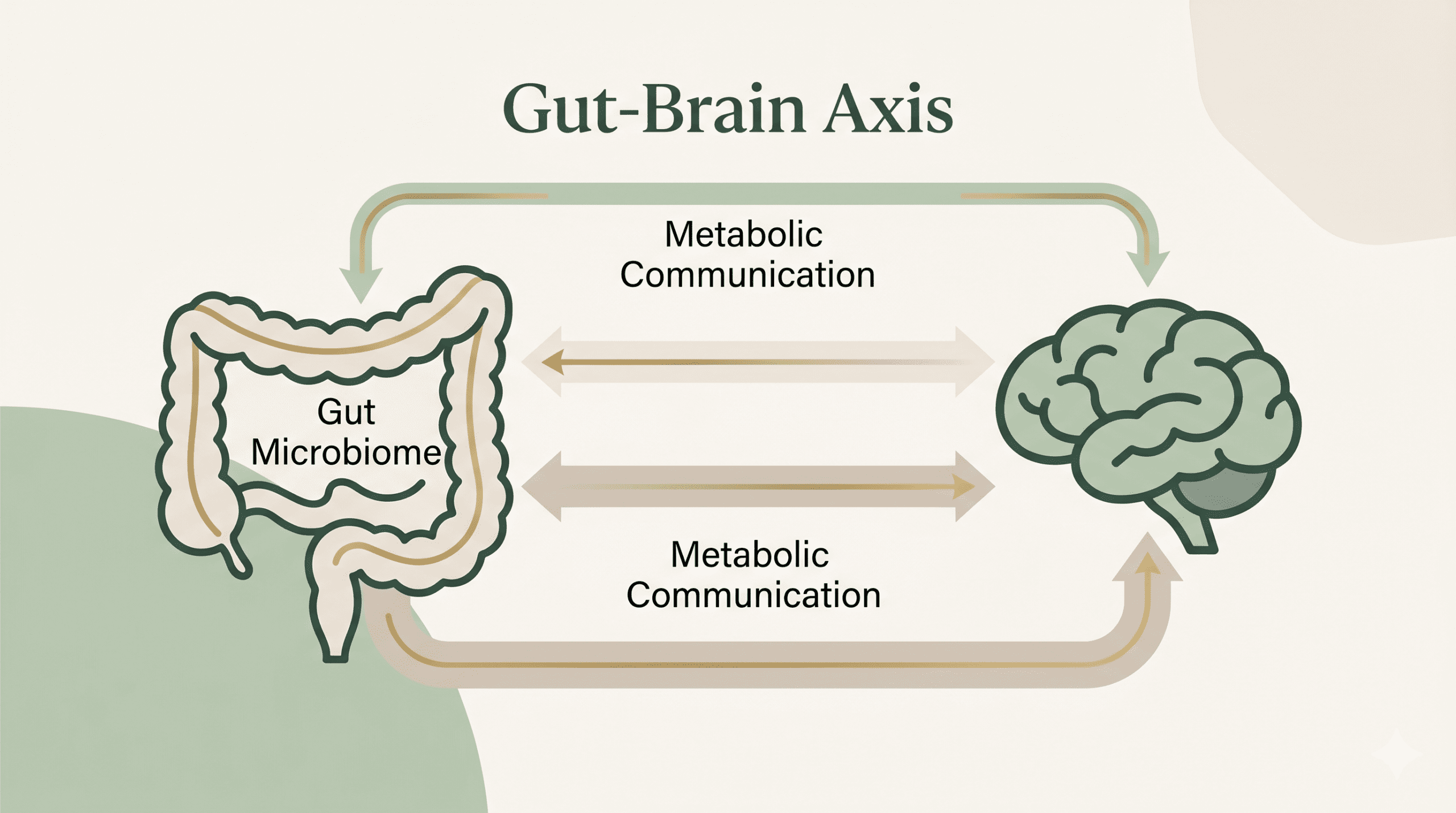
The Gut-Weight Connection: What Research Shows
The link between gut bacteria and body weight is more nuanced than most articles let on. It is rarely a simple case of cause and effect. Instead, researchers look at several overlapping pathways that influence how your body utilizes energy.
Here is what the science suggests:
- Fiber processing and calorie extraction: Different bacterial strains break down fiber differently. Some are highly efficient at extracting extra energy from the food you eat. Studies on gut microbiome composition have found meaningful differences in bacterial diversity between individuals with different metabolic rates (3).
- Fat metabolism: How your body handles dietary fat is partly influenced by microbial activity. When the microbiome is out of balance, the body may naturally tend to store fat rather than utilize it for steady, daily energy.
- The inflammation factor: A disrupted microbiome can contribute to low-grade systemic inflammation. Chronic inflammation is closely tied to insulin resistance, a state that makes it much easier for the body to store calories as fat rather than burning them (4).
- Insulin sensitivity: Research suggests that certain beneficial gut bacteria produce short-chain fatty acids that support how cells respond to insulin, which directly affects blood sugar regulation and daily energy balance (5).
None of this means the microbiome is the sole factor in weight management. Sleep, stress, hormones, and overall activity levels always matter. But the gut is a meaningful piece of the picture, and it is one that gets overlooked far too often.
8 Ways to Support a Healthier Gut Naturally
The good news is that your microbiome is not permanently fixed. It responds directly to the lifestyle choices you make, often changing faster than you might think. These eight foundational habits are designed to support both gut diversity and general metabolic wellness.
- Cut Back on Inflammatory Foods
Highly processed foods, refined vegetable oils high in omega-6 fats, and excess sugar can contribute to gut imbalance. Swapping some of those processed fats for options like extra virgin olive oil or cold-pressed avocado oil is a simple place to start. You do not need a perfect diet; small, consistent shifts tend to matter more than dramatic overhauls that are hard to maintain.
- Watch Your Sugar Intake
This habit goes beyond a basic calorie count. Research has shown that artificial sweeteners can alter gut bacteria composition and negatively affect blood sugar responses (6). Natural sugars from whole fruits are handled very differently by the body than added syrups or highly processed chemical sweeteners.
- Prioritize Sleep
Sleep and gut health have a bidirectional relationship, meaning they constantly impact one another. Poor sleep can disrupt the microbiome, and an imbalanced microbiome can alter your sleep quality. Studies on irregular schedules have found that disrupted sleep patterns are associated with reduced bacterial diversity (7). Aiming for consistent, quality rest is genuinely supportive of the internal environment where a lot of metabolic work happens.
- Eat a Wider Variety of Plants
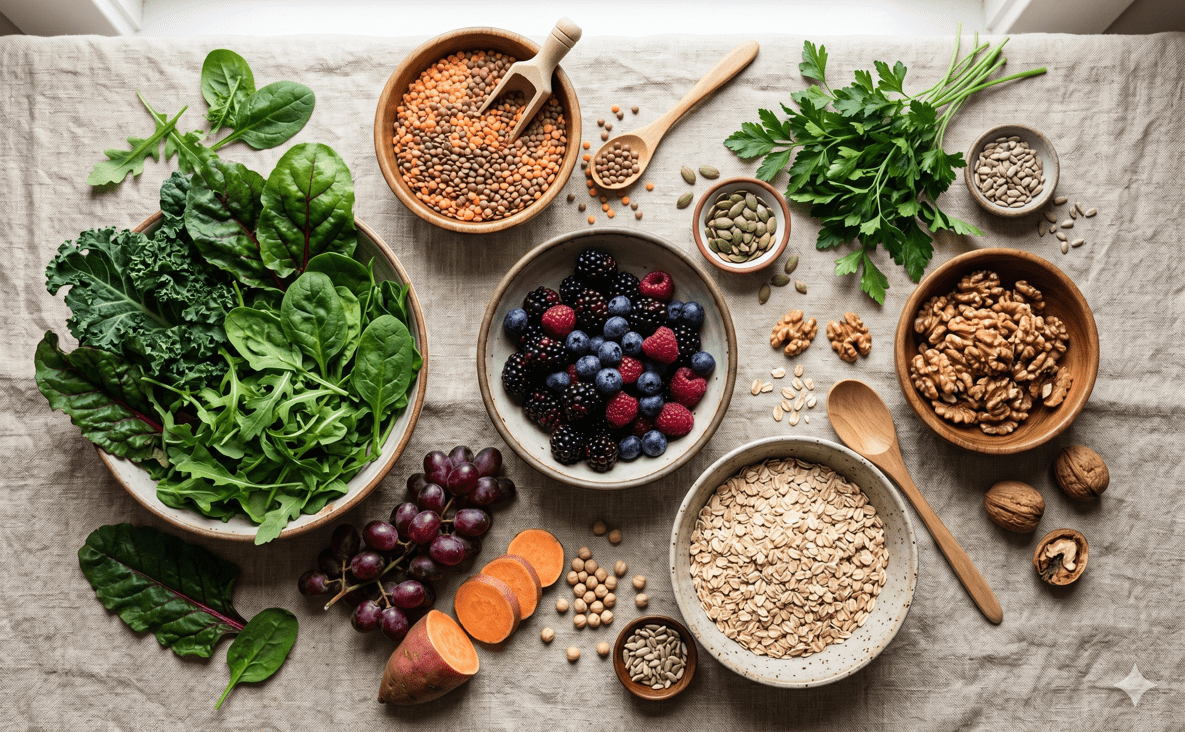
Variety matters just as much as quantity. Different plant foods feed different bacterial strains, which is why a diverse diet supports a more resilient microbiome. Focus on gradually adding more vegetables, whole grains, legumes, nuts, and seeds to your weekly routine. The goal is simply adding more variety over time rather than restricting what you eat.
- Add Fermented Foods Gently
Fermented foods introduce beneficial live cultures into the digestive tract. Options worth adding to your routine include plain, unsweetened yogurt, kefir, sauerkraut, kimchi, and miso. Start with small amounts if fermented foods are new to you, as some people notice temporary digestive changes as their system adjusts.
A Supportive Next Step: Many people focus exclusively on food when trying to reset their system, but lifestyle habits and targeted nutrition work best when they complement each other. If healthy dietary adjustments alone aren’t fully addressing your bloating, cravings, or sluggish energy, it may be worth exploring wellness support options designed to support gut health and digestive balance.
After researching several options, we found one probiotic approach that stood out because it focuses on helping the good bacteria survive the digestive process. [See the Probiotic We Researched]
- Move Your Body Regularly
Exercise supports gut health in ways that go far beyond burning calories. Research suggests that physically active individuals tend to have greater microbial diversity (8). You do not need intense, exhausting workouts; consistent, moderate movement like daily walking, yoga, or swimming makes a substantial difference.
- Try a Structured Eating Window
Intermittent fasting, particularly time-restricted eating, has received growing research attention for its effects on metabolic function. The 16:8 model, where you eat within an 8-hour window and rest your digestion for 16 hours, is one of the more practical approaches. While it is not the right fit for everyone, some research suggests it may support healthier gut rhythms.
- Take Stress Seriously
Chronic stress can do measurable damage to the gut lining and reduce bacterial diversity. It also tends to push people toward habits like late-night snacking or convenience foods that compound the problem. Managing stress does not require a complete life redesign; protecting time for true downtime or spending a few minutes outside can help calm your body’s physical stress response.

A Few Realistic Expectations
Improving gut health is a gradual process. Most people notice small changes in their digestion, bloating levels, or daily energy within a few weeks of consistent habit shifts, but meaningful microbiome changes take time.
Individual responses vary quite a bit. What works beautifully for one person might have a smaller effect for another, and that is not a failure of willpower; it is simply how biology works. Pick two or three habits from the list above and build from there.
Weight management rarely comes down to one single food, one exercise routine, or one isolated habit. Your gut microbiome is simply another essential piece of the puzzle. By giving your body fewer things to fight against and focusing on long-term sustainability, you create the ideal internal conditions for steady metabolism and vibrant health.
A Helpful Place to Start: If you are looking for additional support alongside these foundational habits, learning more about gentle approaches specifically designed for digestive wellness can be an excellent next step for your routine.
After researching several options, we found one probiotic approach that stood out because it focuses on helping the good bacteria survive the digestive process. [See the Probiotic We Researched]
Sources
- NIH Human Microbiome Project. (2012). Structure, function and diversity of the healthy human microbiome. Nature, 486(7402), 207-214. https://www.ncbi.nlm.nih.gov/pmc/articles/PMC3564958/
- Carabotti, M., et al. (2015). The gut-brain axis: interactions between enteric microbiota, central and enteric nervous systems. Annals of Gastroenterology, 28(2), 203-209. https://www.ncbi.nlm.nih.gov/pmc/articles/PMC4367209/
- Turnbaugh, P. J., et al. (2009). A core gut microbiome in obese and lean twins. Nature, 457(7228), 480-484. https://pubmed.ncbi.nlm.nih.gov/24378002/
- Boulangé, C. L., et al. (2016). Impact of the gut microbiota on inflammation, obesity, and metabolic disease. Genome Medicine, 8(1), 42. https://www.ncbi.nlm.nih.gov/pmc/articles/PMC5440529/
- Caricilli, A. M., & Saad, M. J. (2013). The role of gut microbiota on insulin resistance. Nutrients, 5(3), 829-851. https://pubmed.ncbi.nlm.nih.gov/24378002/
- Suez, J., et al. (2014). Artificial sweeteners induce glucose intolerance by altering the gut microbiota. Nature, 514(7521), 181-186. https://www.nature.com/articles/nature13793
- Smith, R. P., et al. (2019). Gut microbiome diversity is associated with sleep physiology in humans. PLoS ONE, 14(10), e0222394. https://pubmed.ncbi.nlm.nih.gov/31530929/
Clarke, S. F., et al. (2014). Exercise and associated dietary extremes impact on gut microbial diversity. Gut, 63(12), 1913-1920. https://pubmed.ncbi.nlm.nih.gov/24997845/