

In a perfect world we wouldn’t have to worry about the foods we eat. Imagine: Eating whatever you like without putting on unwanted pounds or harming your health. Wouldn’t that be nice!
Of course, we don’t live in a perfect world — far from it. And if you’re trying to manage your weight and stay healthy, then you’re probably already limiting the amount of high-calorie, high-sugar and high-fat foods you consume.
But, what about foods that have a high toxic load?
A frightening number of foods that have probably slipped under your radar are in fact loaded with sneaky, invisible toxins. Most of these foods are thought of as healthy. And many of us eat them on a daily basis.
But by consuming toxic foods not only will your body’s ability to burn fat grind to a halt, you might also be putting your health at risk too.
Let’s take a quick peek into the top five toxic foods that you must AVOID as well as some healthy alternatives.
And as an added bonus, I’ll share a simple, delicious recipe that’s guaranteed to be a hit at your your next party or family movie night.
Let’s jump right in!
Top 5 Toxic Foods You Must Avoid At All Costs
1. Diet Sodas

The first of the major offenders that most folks take in far too often is diet soda. You think this is a wise choice because it’s so low in calories, but you may want to think again.
Diet sodas are soaked with artificial sweeteners that can trigger undesirable side effects such as headaches and severe stomach pain in some people, and can even damage teeth and bones.
Not to mention the fact that these sweeteners can actually promote obesity and may become especially toxic if they are converted to formaldehyde in the body (as is the case with aspartame) and you can clearly see why you’ll want to steer clear of diet soda. [1]
Drink This Instead: Water
Water is essential to flush bacteria and waste out of your digestive system, as well as to help prevent constipation and bloating.
For added health benefits squeeze a lemon in your water. Lemon has powerful detoxification properties and in recent study lemon polyphenols were shown to suppress body weight gain and fat accumulation. [2]
2. White Bread

If you aren’t staying away from bread because of the high level of flour, stay away because of the high fructose corn syrup content. Many bread varieties contain this ingredient and HFCS has been linked to obesity, brain damage, and even low IQ levels.
As if that wasn’t bad enough, a full 100% of the fructose that enters your body is metabolized by your liver. The metabolic demands of fructose induce fatty liver disease, insulin resistance, hypertension, and a host of other negative conditions. [3]
Eat This Instead: Whole Grain Bread
Eating whole grains, in moderation, is a smart weight loss strategy.
In one study, folks on a calorie-reduced diet who ate whole grains, especially whole grain bread, shed more belly fat than people who ate refined grains such as white bread and pasta. [4]
3. Lunch Meats
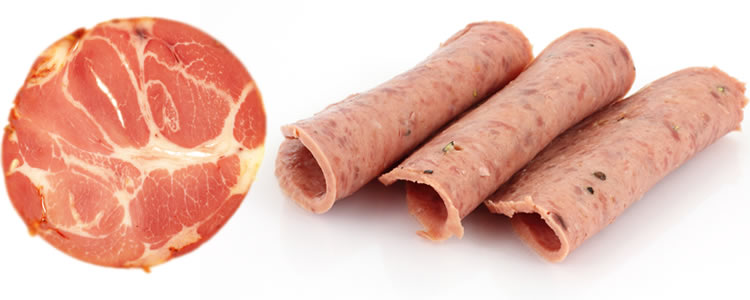
Consuming protein throughout the day is a very good thing, but not when it comes in the form of luncheon meats. These are loaded with monosodium glutamate, which can cause headaches, heart problems, as well as brain damage — YUCK!
Eat This Instead: Grass-fed Beef
I advocate eating a largely plant-based diet. Not only is it good for your gut health, but fresh, organic fruits and veggies ensures you’ll be getting a wide array of essential vitamins and minerals.
But, animal protein — like beef, chicken, pork, and fish — deserves a place in your diet. My advice: Only consume grass-fed or wild-caught sources of animal protein.
4. White Pasta
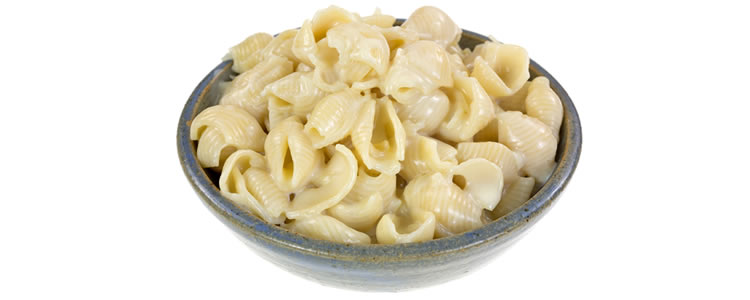
White and refined flour based foods should be the next to be banned from your diet plan. Why? Because refined flour can include cancer-causing additives (such as azodicarbonamide), and is stripped of most of its natural nutrients during the production process. [5]
This is in addition to the fact that they will cause your blood glucose levels to skyrocket, really encouraging you to start packing on body fat rapidly.
Eat This Instead: Zucchini Noodles
Zucchini noodles are a great alternative to potentially toxic refined flour pasta.
They’re gluten-free, wheat-free and, best of all, very delicious! Plenty of online recipes you can make at home.
5. Organic Snack Chips
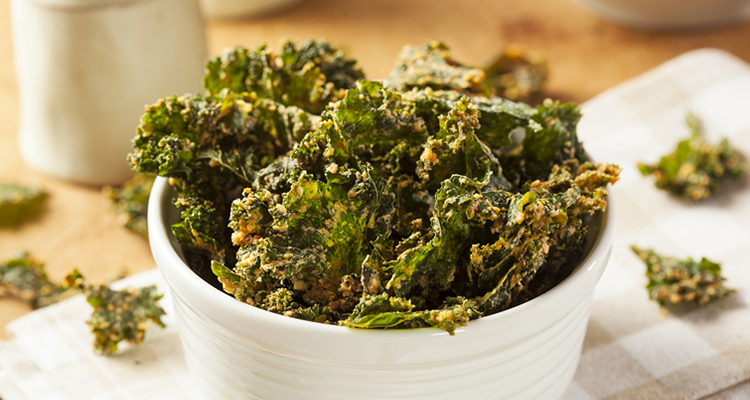
Finally, don’t think that just because you’re going organic necessarily means you’re eating healthy. If you opt for snack chips, you may be taking in acrylamides, which is a cancer causing chemical that’s produced during the cooking process of these carbohydrates.
Since they aren’t actually considered an ingredient however, they don’t need to be listed on a food label, so you won’t actually know you’re consuming them.
Eat This Instead: Sweet ‘n Spicy Popcorn
Eating healthy doesn’t mean you have to give up snacks. How awful would that be, right?
Next time you want to curl up with a movie or your Netflix queue, why not whip up a batch of our Sweet ‘n Spicy Popcorn?
It’s a delicious treat you’ll want to share with the whole family!
Sweet ‘n Spicy Popcorn
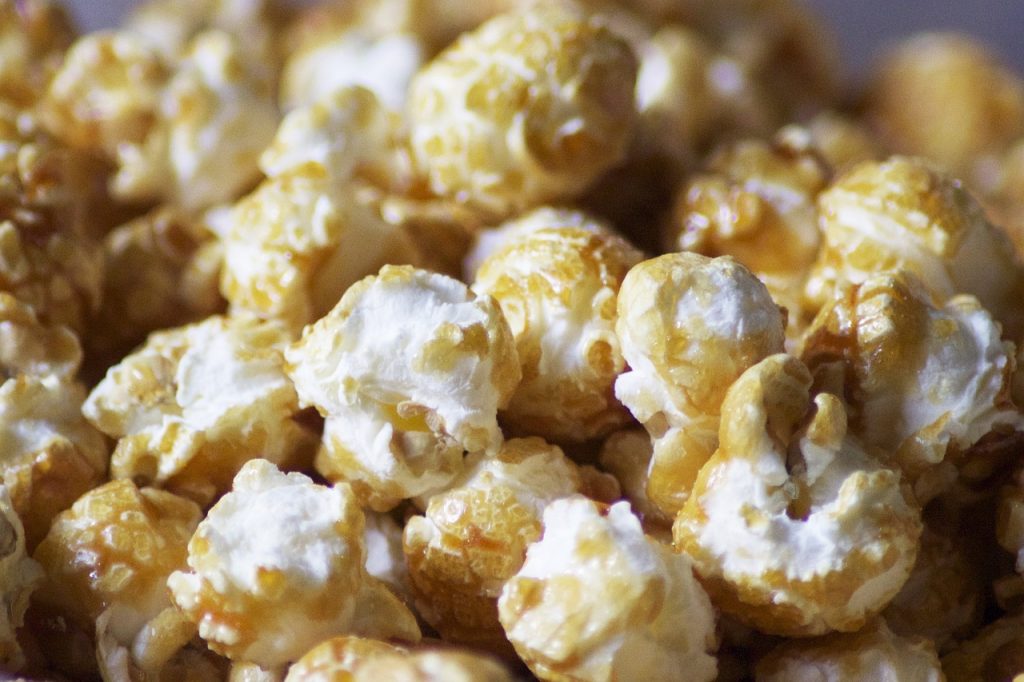
Prep time: 10 mins Serves: 4
============================
Ingredients:
- 2 tablespoons coconut oil
- 1/2 cup organic popcorn kernels
- Pinch of sea salt
- 1/4 cup pasture raised butter
- 1/4 cup maple syrup
- 1/2 teaspoon cayenne pepper
- 1/2 teaspoon ground turmeric
- 1/2 teaspoon ground cumin
- 1/2 teaspoon ground cinnamon
- Pinch of chili pepper
Directions:
- In a heavy pot on high heat, add the oil and 1 kernel of popcorn; then cover.
- When the kernel pops, add the rest of the kernels and cover.
- Carefully slide and shake the pot to evenly pop the kernels.
- Continue cooking until the popping slows down to 1 or 2 pops per second.
- Pour the popcorn onto a parchment-lined baking sheet.
- Lightly salt.
- Using the same pot, add the butter, maple syrup, and spices, and stir to combine.
- Cook over medium-high heat until it bubbles.
- Carefully pour over the popcorn, allow to cool slightly, then transfer to a bowl, toss with tongs, and serve immediately.
Now It’s Your Turn
Your turn: What steps are you taking to eat healthy, nutritious foods? And to avoid the ones that aren’t good for you?
Discover the surprising reason many people experience fatigue, weight gain, and brain fog — and how supporting your liver may help improve your overall health. Watch the full presentation here.