

Has your weight loss stalled?
When it comes to shedding pounds, diet and exercise don’t always work.
According to a Gallup poll, over half of all Americans want to lose weight. And for millions of those people, counting calories and working out isn’t enough to shed pesky pounds — or keep them off long term.
Talk about frustrating!
In this article you’ll learn why diet and exercise may not be working, and what you can do to help speed up your weight loss success.
5 Surprising Reasons Your Weight Loss Has Stalled
(And How to Speed It Up!)
Remember when you were sitting with your girlfriends and sighed, “Y’know, I wish I wasn’t losing this embarrassing middle age flab so quickly. Isn’t there a way to SLOW DOWN weight loss?”
Of course you don’t remember. Because that’s not a conversation anyone has ever had!
When it comes to losing unwanted pounds, I’ve yet to meet the person who wanted to slow things down.
Does that mean we should strive to lose weight as quickly as possible? Of course not. You’ll never hear me advocate for weight loss gimmicks that promise to “torch fat off the body” in the blink of an eye. Not only is rapid weight loss unsafe, it almost always leads to rebound weight gain.
What we’re talking about here is healthy weight loss supported by a sensible diet, daily activity, and high-quality supplements.
The basic “arithmetic” of weight loss is simple:
If you burn more calories than you ingest, you’ll lose weight.
But the reality of weight loss (and your body’s tendency to gain weight) is far more complicated. The human body is an incredibly complex system. How much you weigh depends on thousands of biochemical reactions that are affected by more than just diet and exercise.
Because of this, most folks experiences lulls (or outright STOPS) in their weight loss journey — even while sweating it out at the gym and counting calories. What follows are 5 surprising reasons your weight loss may have stalled — and what you can do to speed it up:
1. Your Insulin Levels Are Too High
When your insulin levels soar, your cravings for high-carbohydrate, calorie-rich foods goes through the roof.
There are many things that cause elevated insulin. But one of the most common causes (especially here in America) is a low-fiber diet.
Experts recommend consuming 30 — 50 grams of daily fiber. The typical American diet includes only about 15 grams per day.
Do this: Load your plate with more fruits, vegetables, legumes, and other plant-based foods.
Not only are these foods great sources of both soluble and insoluble fiber, people who eat them feel more full. They’re less likely to reach for a cookie or donut in the afternoon. And more of their blood sugar is burned as energy — and less is stored as fat.
Fiber also helps to keep you regular, can help reduce cholesterol and can reduce your risk of heart disease, high blood pressure, and diabetes.
2. You Drink Diet Soda
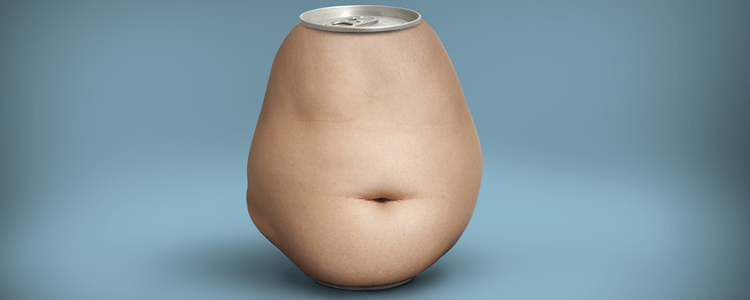
If you sip diet soda because you’re trying to watch your weight, it’s time to rethink your drink.
This sneaky snack is one of the very worst things you can put in your body. And, it could be slamming the brakes on your ability to lose weight.
Are you wondering how diet soda – which has zero calories and zero sugars – can be such a problem?
So was Dr. Sarah Fowler and her fellow researchers at the University of Texas.
Dr. Fowler and her team conducted a nine year study of 749 patients to examine how drinking diet soda contributes to weight gain.
Their findings were surprising:
Participants who NEVER drank diet soda gained less than an inch around their waist over the nine-year study period.
Those who drank less than one diet soda a day put on an average of two inches around their waist.
And what about those participants who indulged in at least one diet drink a day?
At the end of the nine-year study period they had added a whopping three inches to their waistlines!
The multi-billion soda manufacturers market diet drinks as healthier alternatives to their sugar-soaked drinks, but the science is clear:
Diet soda will pack on the pounds.
Do this: When it comes to beverages, nothing will ever beat a glass of crisp, pure water. Not only will drinking more water give your body the hydration it needs, it can also accelerate weight loss.
Drinking water promotes feelings of fullness. Slowly drink an 8 ounce glass of water with your meals and you’ll feel more full from eating fewer calories.
3. You Don’t Get Enough Sleep

Not getting enough sleep can lead to headaches, depression, less productivity, moodiness, and even serious health conditions like heart disease and diabetes.
It can also make weight loss nearly impossible.
Sleep deprivation increases production of ghrelin (your body’s “hunger” hormone) and reduces production of leptin (a hormone that regulates hunger).
In other words, when you’re feeling like a zombie because of sleep deprivation you tend to be more hungry… and it’s not like you’re hungry for carrots and celery.
Research shows that insufficient sleep triggers cravings for junk foods like cookies, candies, chips, and ice cream.
Do this: Start by introducing a healthy sleep schedule that includes set bedtimes and wakeup times. Avoid eating at least 3 hours before bedtime. And limit your caffeine consumption close to bedtime.
Another great idea is brewing up a warm, soothing pot of chamomile tea and sipping a cup an hour before bedtime. Chamomile is a natural tranquilizer that can help you fall asleep faster.
You could also consider try a magnesium supplement at bedtime. Magnesium is known as the “relaxation” mineral for its ability to relax your muscles and help your brain power down after a hectic day.
4. You’re Stressed Out

Work. Rush hour traffic. Finances. Waiting for the next season of “Game Of Thrones”.
We live in a stressful world. And all that stress does more than just make us feel frazzled and spent at the end of the day. It can also make us fat.
Chronic stress increases production cortisol, a hormone that slows down metabolism and tells your body to store calories as fat. Cortisol also increases your appetite and levels of neuropeptide Y, a substance that fuels carb cravings.
And that’s not all:
When you have elevated cortisol levels, your body tends to store more of its fat around your midsection. Belly fat is notoriously difficult to lose (especially for women) and is more dangerous than other types of fat because it increases your risk for heart disease and other serious health conditions.
Do this: Start by asking your doctor for a cortisol test. It’s a simple, inexpensive saliva test that will help you understand how much stress you really have.
Most of us have grown so accustomed to living with chronic stress that we don’t even notice we’re stressed out. But our bodies notice. And a cortisol test will give you a clear picture of your stress.
Once you get an idea of how stressed you are, you can then consider lifestyle changes like meditation, yoga, mindfulness, and even supplements to help you relax.
5. You Eat a Big Breakfast
It’s been called the most important meal of the day. But eating a big breakfast (especially staples like cereal, donuts, toast, or juice) can work against you when you’re trying to lose weight.
When we eat breakfast we’re more likely to spike our insulin levels which causes us to store fat. And because most people’s breakfasts consist of eating carbs and sugar (cereal and juice, I’m looking at you), those insulin spikes can lead to cravings all day long.
Do this: Try Intermittent Fasting, or eat healthy fats with your breakfast, such as an egg, spinach and avocado omelette. The healthy fats in the avocado will balance out the insulin spike of the protein.
Skip the juice as it’s both high in calories and sugar, and steer clear of boxed cereals for the same reason.
We’re All In This Together

Right now, 160 million Americans are trying to lose weight.
And of those people, 100 million are obese.
It saddens me that so many good people struggle to reach their weight loss goals.
Maybe they lose a few pounds at first, but then everything grinds to a halt. They continue to diet and exercise. But the pounds won’t budge. They can’t figure out what they’re doing wrong. And they give up in frustration.
Does that sound familiar? Do you know someone whose weight loss has stalled? Have you hit a plateau with your own weight loss?
If so, would you please share this article? I want more people to realize their weight loss struggles are NOT their fault and, importantly, they can make simple changes like the ones recommended in this article to get their fat loss back on the fast track!