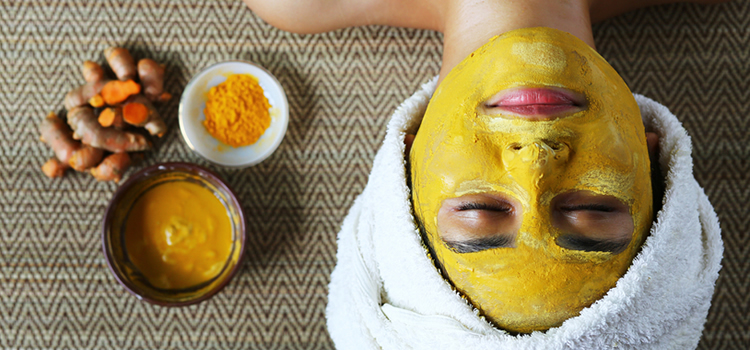

For thousands of years, the people of India and the Middle East have known what the rest of us only recently discovered: the turmeric spice is a powerful natural medicine that offers a wide range of health benefits.
Turmeric, a close cousin of ginger, is a vibrant yellow-orange spice used to make curry and yellow mustard. Even beyond its popular use in food, turmeric is now better known for its anti-inflammatory properties and other medicinal applications.
What Is Turmeric?
Turmeric, officially named Curcuma longa, is a root that thrives in the hot, rainy climates of its native India. The ancient people of India boiled the roots of the Curcuma longa plant, dried it, and ground it into a rich golden powder.
This vivid, fragrant, and bitter spice exhibits anti-inflammatory, anti-microbial, antioxidant, and anti-neoplastic properties. Its active component, curcumin, carries much of this power. Overall, turmeric is a well-researched, potent, and safe spice.
10 Terrific Turmeric Powder Benefits
Thousands of scientific articles have been published documenting the ways that turmeric and its primary component curcumin can improve nearly every aspect of your health.
The following ten turmeric powder benefits demonstrate how you can leverage this bright, yellow-orange spice to improve your health and quality of life.
1. Naturally Soothe Chronic Inflammation

Chronic inflammation is at the root of all of our modern diseases. Although some inflammation is essential to our good health, when inflammation rages out of control, often as a result of environmental toxins or eating too many pro-inflammatory foods, your health suffers. Many serious health conditions are associated with inflammation, including cancer, arthritis, and chronic pain.
Turmeric is proven to fight this dangerous inflammation and reduce aches and pains. In multiple studies, curcumin has been found to inhibit molecules that play a major role in causing chronic inflammation. Even better, curcumin has been shown to be as potent as many anti-inflammatory drugs, but without the potentially dangerous side effects.
2. Boost Heart Health
As the leading cause of death in the world, heart disease is a serious issue that requires careful prevention and treatment. It’s possible that the curcumin in turmeric can reverse the heart disease process by improving the function of the lining of the blood vessels.
By improving the function of the blood vessels, curcumin enables better blood pressure regulation, blood clotting, and other essential heart health factors. Studies even suggest that turmeric works as well as pharmaceutical drugs like Atorvastatin and exercise to boost this endothelial function.
3. Protection Against Alzheimer’s Disease
The brain is constantly changing and evolving. Neurons form new connections, multiply, and grow long past childhood. A growth hormone known as BDNF is the driving force behind neuron activity, which explains why many brain disorders like depression and Alzheimer’s disease are linked to low BDNF levels.
Turmeric offers a powerful prevention for Alzheimer’s disease by actually increasing levels of BDNF in the brain. With more of this powerful growth hormone, the body can delay or even reverse problems in brain function.
4. Restore Younger, Healthier Skin
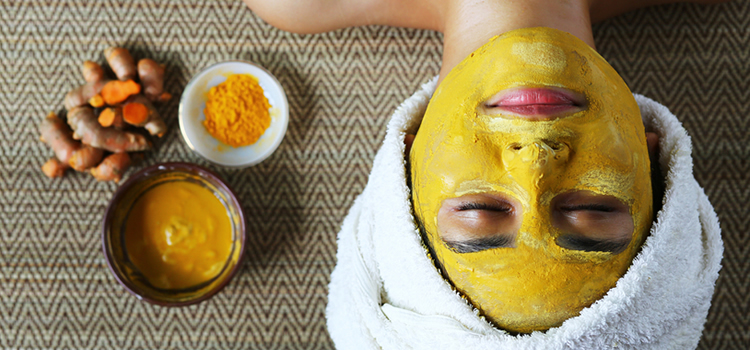
Did you know you can use turmeric for acne, among other skin issues? Curcumin promotes skin health with its anti-inflammatory, antibacterial, and antioxidant properties:
- Neutralizes free radicals to stop skin cell damage
- Accelerates wound healing with collagen production
- Treats skin conditions caused by inflammation
- Clears up blemishes and acne
- Enhances the skin’s glow and luster
Use turmeric for acne and other skin conditions by making or purchasing a topical cream or face mask. If you use turmeric capsules, make sure you supplement with a natural source of bromelain like pineapple in order to improve the absorption rate.
5. Powerful Cancer Protection
Cancer can and does strike people of all ages, but your likelihood of developing this dreaded disease increases with age. New studies have shown that turmeric, especially its main component curcumin, may have the power to battle the cancer epidemic.
Curcumin may be able to interfere with metastasis — the growth of cancer cells. It could even contribute to the death of cancerous cells in a variety of cancers, including leukemia and lymphoma, ovarian cancer, breast cancer, lung cancer, melanoma, and gastrointestinal cancer.
Furthermore, eating a diet rich in turmeric equips the body with potent antioxidants that fight free radicals and stop cancer in its tracks.
6. Relief for Rheumatoid Arthritis Pain
Rheumatoid arthritis is a common inflammatory condition that triggers extreme pain and stiffness in the joints. As an autoimmune disease, RA develops when the body’s immune system attacks its own healthy tissues and stimulates intense inflammation.
Fortunately, turmeric’s powerful anti-inflammatory properties can be used to fight symptoms of RA and heal the joints. Research shows that patients treated with curcumin for rheumatoid arthritis experience significant pain relief without any negative side effects.
7. Promotes Improved Digestive Health

In Germany, doctors prescribe turmeric for digestive problems. The curcumin found in turmeric stimulates the gallbladder to produce bile, which can aid in smooth digestion. This means that a simple turmeric supplement can reduce gas and bloating while optimizing digestion functions.
8. Diabetes Management
Turmeric has been used to treat diabetes in Ayurvedic and traditional Chinese medicine. Here in the west, turmeric shows exciting potential as a natural way to control or even reverse diabetes.
Curcumin, the active compound in turmeric, could have a favorable effect on most of the key aspects of diabetes, including insulin resistance and hyperglycemia. A 2009 lab study found that curcumin is 400 times more potent than the common diabetes prescription drug in activating the AMPK enzyme needed to reduce insulin resistance in the body.
In addition, curcumin’s anti-inflammatory properties can help to treat negative complications of diabetes, including diabetic neuropathy, retinopathy and diabetes-associated liver disorders.
9. Supports Detoxification
We live in a world where toxins lurk just about everywhere, and unfortunately those toxins trigger inflammation, illness, and cancer in the body. The liver is responsible for filtering and removing toxins from the body, but we are so overexposed to toxins that the liver simply can’t keep up.
Turmeric supports detoxification by protecting the liver from damage and optimizing its ability to remove toxins from the body. Since curcumin also boosts levels of enzymes, the body’s excretion systems can more effectively break down and remove harmful substances.
10. A Longer, Healthier Life

turmeric powder benefits. When you consider turmeric’s proven ability to soothe inflammation, ease joint pain, and protect against cancer… well, this just might be nature’s true fountain of youth! Let’s look at how you can begin benefiting from all of the health benefits turmeric has to offer.
More Powerful Than Modern Medicine?
As you’ve seen, the health benefits of turmeric truly are terrific! In fact, a growing mountain of scientific research suggests that turmeric could be as or more effective than the following drugs:
- Non-Steroidal Anti-Inflammatories (Ibuprofen)
- Antidepressants (Prozac)
- OTC Painkillers (Bayer)
- Arthritis Medications (Diclofenac)
- Diabetes Drugs
- Blood-Thinners (Tylenol)
- Chemotherapy
Does that mean you should toss out your Tylenol in favor of turmeric? Not exactly.
What it does mean is that, for many people, traditional medical approaches such as turmeric can very effectively complement more modern approaches to treatment and prevention.
What Is the Recommended Turmeric Dosage?
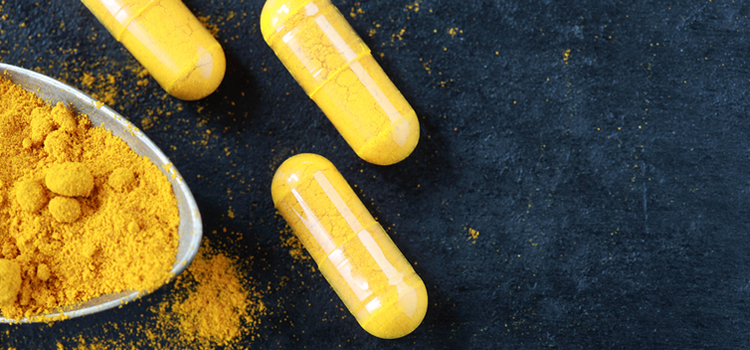
The following list outlines the recommended turmeric dosage for adults:
- Cut root: 1.5 to 3 g per day
- Dried, powdered root: 1 to 3 g per day
- Standardized powder (curcumin): 400 to 600 mg, 3 times per day
- Oil: ½ tablespoon of turmeric 3 times per day
Does Turmeric Have Any Side Effects?
Turmeric has been used since ancient times to treat sickness and promote health. And while it’s generally safe and well tolerated by most people, side effects are possible. Taking large doses of turmeric over a long period of time can lead to an upset stomach and, in extreme cases, ulcers.
Because turmeric can have a thinning effect on the blood, you should stop taking turmeric at least 2 weeks before surgery. Tell your doctor or surgeon that you have been supplementing with turmeric.
The Best Turmeric Powder
When it comes to a multi-purpose nutritional supplement, turmeric is tough to beat. The list of turmeric powder benefits encompasses everything from healthy skin to improved digestion.
Just remember that the quality of your turmeric supplement does influence the benefits you experience. This is why it’s important to use the best turmeric powder you can find.
You can also try my golden milk recipe to get the terrific health benefits of turmeric in a creamy, sweet drink!
Golden Milk Recipe
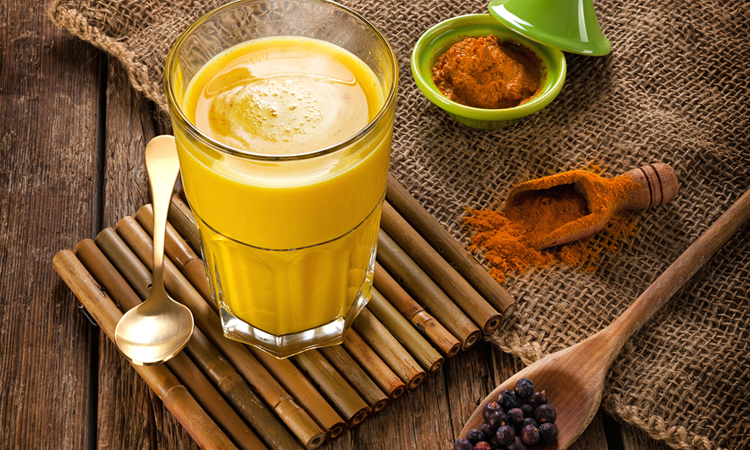
Prep Time: 5 minutes Serves: 2
===========================
Ingredients:
- ½ teaspoon turmeric powder
- ½ teaspoon ginger powder
- ½ teaspoon coconut oil
- a pinch of cinnamon
- 1 cup almond milk
- 1 cup water
Directions:
- Pour almond milk and water into a saucepan and bring to a simmer
- Add in turmeric powder, ginger powder, coconut oil and cinnamon. Simmer for two minutes.
- Stir and pour into two coffee cups. Enjoy!
My favorite way to enjoy a tasty glass of Golden Milk is first thing in the morning on an empty stomach.
It gives you a nice boost of energy through the first half of your day (without the jitters that can come from coffee), plus it makes your mind as bright and clear as the new sunrise and floods your body with powerful antioxidants!
Your turn: Do you include turmeric in your diet?
After seeing just how many ways turmeric may support the body, it’s easy to understand why it’s been used for centuries and continues to get attention today. At the same time, knowing the benefits and actually incorporating it into your routine in a consistent way are two very different things.
That’s why some people begin looking for simpler ways to use turmeric without having to measure, mix, or rethink it every day. Not as a replacement for healthy habits, but as a way to make those habits easier to maintain. If you’re wondering what that might look like or how others are approaching it more consistently, it might be worth taking a closer look at one option that builds on what you’ve just learned.