

According to the American Liver Foundation, at least 30 million people — that’s 1 in 10 of us — have some form of liver disease. Yet, most folks don’t even realize their liver health is compromised.
Poor liver health has become a hidden epidemic here in America because your liver is under constant assault from…
- Pollution in the air your breathe — As many as 8.8 billion pounds of toxic pollution have been pumped into the atmosphere in the last 25 years. Your liver is your body’s first line of defense against these as you unknowingly breathe them into your body day in and day out.
- Additives in the foods you eat — Dr. Robert Lustig, of the University of California, San Francisco, warns, “Of the 600,000 food items currently in the American grocery store, 80 percent of them have added sugar”. Some of the worst offenders are so-called health foods like yogurt, fat-free salad dressing and frozen diet dinners that tend to be LOADED with sugar. Experts like Dr. Lustig warn that all this sugar is as toxic to your liver as hard alcohol.
- Dangerous over-the-counter drugs — Do you pop Tylenol to manage aches and pains? If so, you could be putting your liver at SERIOUS risk. The FDA recently cautioned that the acetaminophen in Tylenol and OTC drugs can cause liver damage. Frighteningly, accidental acetaminophen overdose sends 78,000 Americans to the emergency room every year, resulting in thousands of unnecessary deaths.
Your liver (working in partnership with your kidneys) is the most powerful detoxification system on the planet.
As our world has become increasingly toxic, however, your liver becomes overworked and struggles to do the job it was designed to do.
When your liver is overworked you experience symptoms like fatigue, skin rashes, yellow eyes (jaundice), weakened immunity and, especially, rapid and stubborn weight gain.
Fortunately, there are plenty of things you can do from the comfort of your own home that will help to detox your liver and get it back to functioning at full power.
Let’s look at 11 tips you can use to detox your liver:
1. Drink Green Tea Daily

Kick off your day with a steaming cup of green tea. Your liver will thank you for it!
Green tea contains catechins, which help to support healthy liver function and in addition to that, it’ll also help to boost your metabolic rate as well.
It’s a win-win.
2. Take Milk Thistle
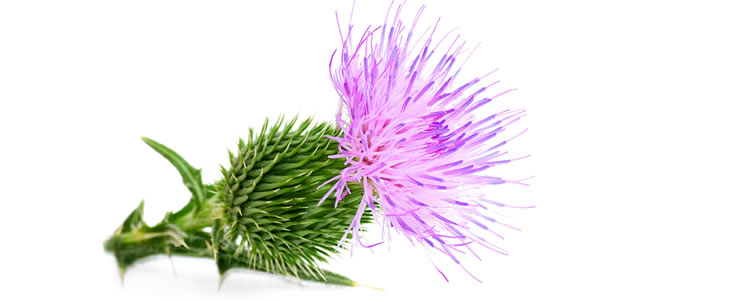
Next, consider using a supplement that contains milk thistle as an active ingredient. This powerful supplement has been proven to help fight oxidation in the body as well as reverse the process of cirrhosis.
It’s a great way to boost liver health in a hurry.
3. Spice Up Your Meals With Cinnamon
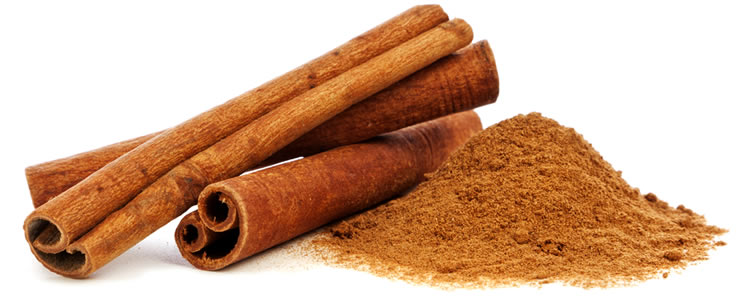
Cinnamon is a sweet tasting spice that you may want to start incorporating into your diet a little more often.
This spice can help to regulate blood glucose levels very well, which then can reduce the chance of glucose conversion into triglycerides in the body and reduce your risk of fatty liver disease.
4. Get Regular Exercise

Exercise really is the cure-all for almost everything.
Even when it comes to your liver, sustaining a regular exercise program is a great way to help stimulate digestion and help to assist with proper liver function.
5. Sip On Apple Cider Vinegar
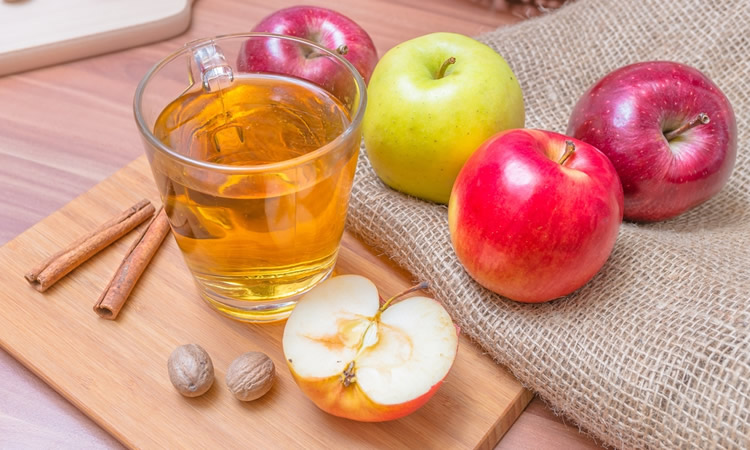
Apple cider vinegar is a fast way to neutralize the toxins that clog up your liver and make you sick.
In addition to powerful detoxification properties, apple cider vinegar could help stabilize blood sugar levels and fight diabetes. Lower cholesterol and reduce your risk of heart disease. And promote weight loss by controlling appetite.
For a simple, delicious recipe try our Apple Cider Vinegar Detox Elixir.
6. Eat Artichokes Regularly
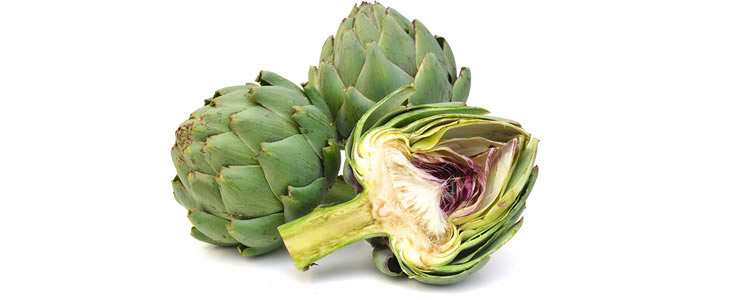
One vegetable to start taking in more regularly is artichokes. These are going to have very good benefits for the liver cells as they can improve its function, support proper bile production, as well as improve the digestion of foods to deliver nutrients throughout the body.
Anyone who is concerned with heart disease will also benefit from including artichokes in their diet as well as they can help to reduce the amount of triglycerides in the body as well.
7. Chew Food Thoroughly

It sounds like common knowledge, but most people are not taking the time to chew their food thoroughly enough to really maintain good liver health.
Chewing your food stimulates digestive enzymes in the body, so this can help the liver perform more optimally.
Make sure to take only bite sized amounts in as well as that will also support a healthier liver.
8. Enjoy a Juicy Slice of Watermelon
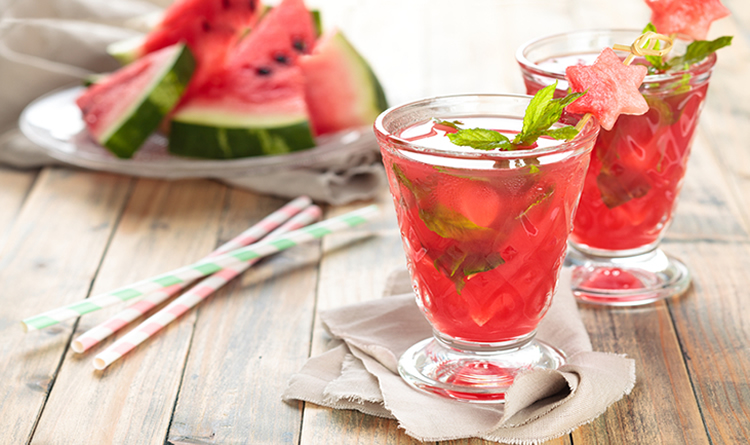
Watermelon is one of my favorite summertime sweet treats. Not only is watermelon delicious, it’s also very good for your liver health.
Watermelon is a detox champ because it’s loaded with the organic compound citrulline, an amino acid that helps the liver and kidneys flush out ammonia.
Enjoy watermelon by the slice, or try it in our thirst-quenching Watermelon Detox Water recipe.
9. Avoid Processed Foods

Taking a pass on processed foods is another way to treat your liver with TLC.
Processed foods will really put you at a higher risk of obesity as well as liver malfunction, so you need to keep them out of your diet at all costs.
10. Get More Garlic in Your Diet
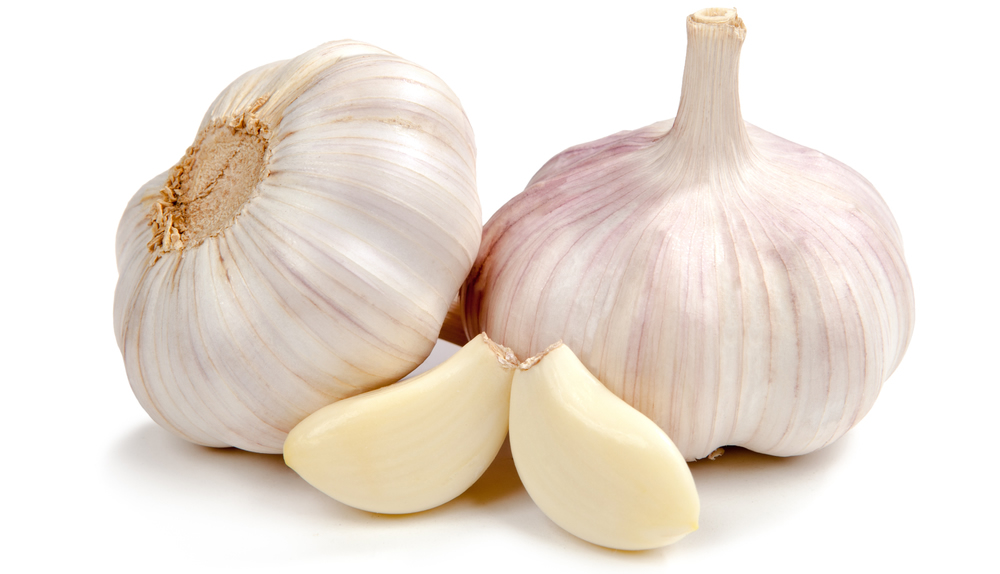
Garlic is a superfood that we need to eat more of here in America.
Garlic contains a certain compound, allicin, that supports the liver’s detoxification performance. It does this by flushing heavy metals, nitrogen, and excess hormones from the liver.
For best results, chomp on a few cloves of RAW garlic. If that taste is too much for you, a high-quality garlic capsule will also do the trick.
11. Add a Touch of Turmeric to Your Life
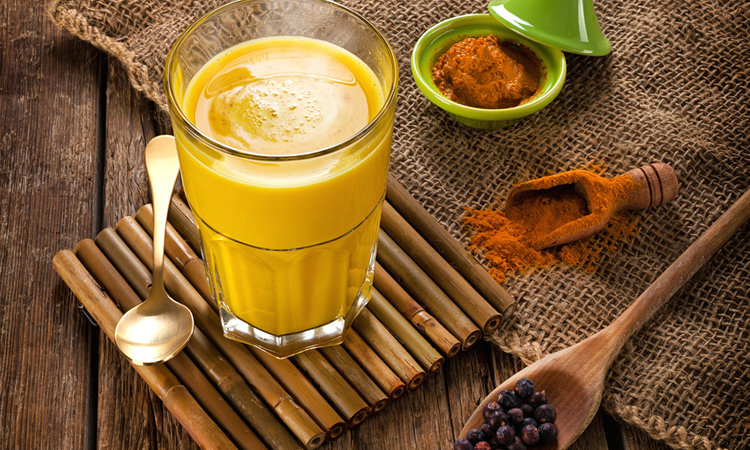
Turmeric is the spice that gives Indian curry its striking gold color. It’s also one of the healthiest spices you can eat.
This super-spice has been used for generations in Ayurvedic medicine to treat a wide range of conditions including back and joint pain, colds, high cholesterol, IBS, Crohn’s disease, skin rashes, and more.
It also has powerful anti-inflammatory properties that can support liver health by making it easier for your liver to repair damaged cells.
Add a dash of turmeric to your favorite dishes or enjoy it in our rich, creamy Golden Milk recipe.
Love Your Liver
Your liver is responsible for impacting everything from how your body fights off disease to how quickly and easily you shed pounds.
All told, your liver plays a role in more than 500 different bodily processes. It’s your body’s ultimate multitasker.
Follow the simple suggestion in this article to give your liver the support it needs to function at its best.
When your liver is healthy you’ll be amazed at how you surge with energy, how you swat away sniffles and sneezes, and how much easier it is to shed unwanted pounds.
Go ahead and give your liver the TLC it deserves!
Discover the surprising reason many people experience fatigue, weight gain, and brain fog — and how supporting your liver may help improve your overall health. Watch the full presentation here.