Ounce for ounce, blueberries are one of the healthiest foods you can eat.
This true “superfood” is very low in calories and is a rich source of vitamin C, vitamin K, manganese and antioxidants.
In fact, blueberries have an ORAC score (which measures a food’s ability to eliminate cell-destroying free radicals in a test tube) of 9,621 — which makes these plump, juicy berries one of the highest antioxidant foods in the world.
And it doesn’t hurt that they taste great too!
What you may not realize is that this superfood is a secret weapon when it comes to maintaining a healthy body weight.
I’ll show you one of my favorite ways to take advantage of the slimming power of blueberries in just a moment.
First, let’s look at 5 amazing health benefits of blueberries.
5 Amazing Health Benefits Of Blueberries
1. Jumpstart A Sluggish Metabolism
Blueberries are packed with a plant pigment called anthocyanins, that’s what gives them their famous blue hue.
An added bonus of anthocyanins: they may help you lose weight.
Although more studies are needed, preliminary evidence suggests that the anthocyanins found in blueberries can jumpstart a sluggish metabolism. (1)
2. Cool Chronic Inflammation
Chronic inflammation is a widespread health issue that’s been linked to obesity, heart disease, Alzheimer’s and just about every other modern malady.
Good news:
In a study by researchers at the University of Main, regular consumption of wild blueberries was shown to reduce inflammation and improve metabolic markers linked to fat metabolism and overall metabolic health. (2)
3. Satisfy Your Sweet Tooth
I have a real weakness for cupcakes, cookies and other baked goodies. And while there’s a place for occasionally indulging in treats like these, you don’t need me to tell you what they do to my waistline.
A healthier way to satisfy your sweet tooth? Feast on a cup of blueberries.
An entire cup of blueberries is just 84 calories and 15 grams of carbohydrates, but delivers:
- Fiber: 4 grams.
- Vitamin C: 24% of the RDA.
- Vitamin K: 36% of the RDA.
- Manganese: 25% of the RDA.
Blueberries are a guilt-free pleasure you should snack on daily!
4. Promote Healthy Digestion
Constipation is a problem for 63 million Americans. When your digestive system is slow or blocked, you look puffy, bloated and pounds heavier than your real weight.
If constipation is forcing your belly to swell, blueberries may be the solution you need.
A 1 cup serving of blueberries is packed with 4 grams of digestion-promoting fiber, but that’s not all:
Blueberries help nourish the good bacteria in your gut, supporting healthier digestion and digestive comfort.
5. Block Fat Storage

If you’ve ever tried to lose weight in the past, you know that shedding pounds is just the beginning: the real challenge is keeping those unwanted pounds from sneaking back onto your belly, backside, arms, legs and other trouble spots.
One final blueberry benefit: the anthocyanins in these berries can prevent rebound pounds. How?
Anthocyanins may stop fat cells from absorbing new fat. In a 25-year study of more than 124,000 men and women, participants who ate anthocyanin-rich foods like blueberries maintained a healthy weight throughout adulthood. (3)
A Cup Of Blueberries A Day
Keeps The Belly Fat Away!
As you can see, blueberries are packed with a treasure trove of fat-burning, health-promoting potential.
If you’re not already eating blueberries regularly, I encourage you to add them to your diet.
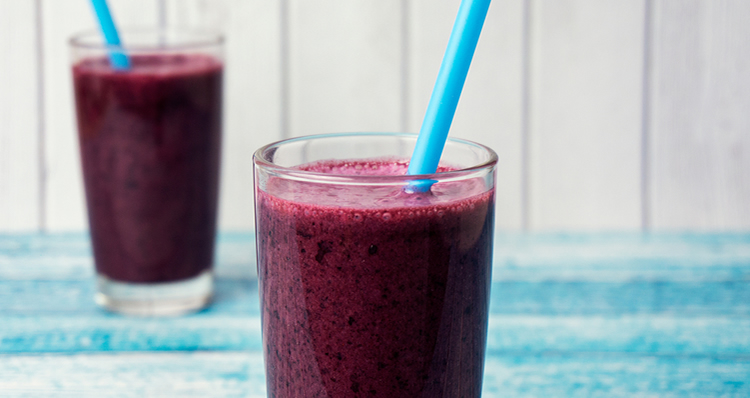
They make a delicious add-in for salads, oatmeal or Greek yogurt; they’re a quick and easy snack right out of the case; but my favorite way to enjoy them is in a Belly-Slimming Blueberry Breeze Smoothie.
Try it yourself with the quick and easy recipe below.
Belly-Slimming Blueberry Breeze Smoothie Recipe
Ready for a yummy and convenient way to get a daily dose of belly-slimming blueberry goodness?
Whip up our Belly-Slimming Blueberry Breeze Smoothie at home!
Just make sure you use a cranberry-cherry juice without added sugar.
Many popular brands soak their juice with as much (and sometimes MORE) sugar than what you’d get from a can of soda.
So carefully read the label when choosing your juice brand.
Prep time: 2 mins Serves: 2
============================
Ingredients:
- 3 cups frozen blueberries
- 1 cup cranberry-cherry juice
Directions:
- In a blender, puree blueberries with cranberry juice and 1/2 cup ice cubes.
- Enjoy immediately!
Discover the surprising reason many people experience fatigue, weight gain, and brain fog — and how supporting your liver may help improve your overall health.Watch the full presentation here.