

What do obesity, cancer, heart disease, dementia, stroke, diabetes, irritable bowel syndrome (IBS), joint pain and many of the most feared illnesses of middle and old age have in common?
They’re all caused by chronic inflammation. [1]
And if…
- You suffer from sore, aching joints
- You never seem to have enough energy
- You experience brain fog or “senior moments”
- Your body is like a magnet for unwanted pounds
Chronic inflammation could be to blame.
With as many as 1 in 3 Americans sick and run down due to chronic inflammation, this condition is perhaps the biggest threat to our health today.
In this article we’re going to take a look at the causes of chronic inflammation, common pro-inflammatory foods you should avoid and 7 delicious anti-inflammatory foods you should be eating.
Let’s jump right in!
Understanding Inflammation

With all the worry these days about chronic inflammation, you might assume that all inflammation is bad news. But that’s not the case.
Before we go any further, it’s important that we understand the difference between acute and chronic inflammation.
Acute inflammation (that is, short-term inflammation) is essential to your good health.
You see, when you’re injured or sick your immune system responds by sending an army of white blood cells to the place where you’re hurting.
These white blood cells act like an elite SWAT team that attacks and destroys invaders like bacteria or cancer cells.
This process causes inflammation. And without it wounds and infections would never heal. And your health would be seriously compromised.
Think back to a time when you cut your finger or scraped your knee or elbow.
Do you remember how the area around the wound became red, puffy, and warm to the touch?
That’s acute inflammation at work.
But with chronic inflammation, something goes very wrong.
Your immune system may trigger a false alarm and your “SWAT team” of white blood cells battle through your body, attacking otherwise healthy body tissues.
This chronic inflammation is like a raging fire that scorches your cells, triggering everything from autoimmune disease, heart disease, and cancer, to obesity, diabetes, and dementia.
These chronic disease affect 125 million Americans.
That means in the average family of three, at least one person has a disease caused by chronic inflammation.
What Causes Chronic Inflammation?
Although acute inflammation has been with us from the beginning, chronic inflammation is a new problem.
And it’s one that’s caused largely by modern man-made environments and lifestyles.
In an excellent overview of chronic inflammation, The Centers for Disease Control and Prevention list the following as “strongly pro-inflammatory”:
- Aging
- Exercise, too little (inactivity)
- Obesity / weight gain
- Smoking
- Sleep deprivation
- Stress / anxiety / “burnout”
- Nutrition
When I look at that list I get EXCITED.
Why?
Because the vast majority of factors that contribute to chronic inflammation are manageable.
They’re lifestyle choices. And that means even if chronic inflammation has you feeling like a sick, exhausted version of your true self right now, you can CHOOSE to bring this problem back under control.
Continuing to read this article and taking action on what you’re about to learn is a great place to start.
In today’s article we’re going to focus on nutrition. But we’ll explore other causes of chronic inflammation (and how to manage them) in the weeks and months to come.
One of the biggest contributors to chronic inflammation is the Standard American Diet.
Consider these words from the Nutrition Journal:
“Our overabundance of calories and the macronutrients that compose our diet may all lead to increased inflammation, reduced control of infection, increased rates of cancer, and increased risk for allergic and auto-inflammatory diseases.”
Pro-inflammatory foods like red meat, cheese, processed foods, fast foods, and even “healthy” foods like bread and breakfast cereal can cause us to eat our way to a blazing furnace of chronic inflammation.
A few of the very worst pro-inflammatory foods you should avoid include:
- Sugar

Of the approximately 600,000 food items available in America, a full 80% of them include added sugar. Sugar is everywhere and it’s a major trigger for chronic inflammation. Always read food labels when shopping and try to avoid items that feature sugar (or sweeteners like high fructose corn syrup) as a primary ingredient.

- White Bread
Your body quickly converts white bread and pasta to sugar, stoking the fires of chronic inflammation. Whole grains are a healthier alternative. In a 2010 study, researchers found that eating whole grains resulted in lower concentration of two inflammation markers. [2]

- Cheeseburgers
This one really hurts because I love to chow down on a thick, juicy cheeseburger. The problem is cheeseburgers are loaded with saturated fats and that’s bad news if you’re trying to cool inflammation. Why? Because saturated fats contain a compound (arachidonic acid) the body uses to create inflammation. If you can’t give up cheeseburgers completely (I don’t think I could), then limit them to a once-a-month treat.

- Omega-6 Fatty Acids
The Standard American Diet serves up far more omega-6 fatty acids than omega-3s — and that imbalance can lead to chronic inflammation. Cut back on vegetable oils (which are loaded with omega-6s) and eat more omega-3-rich food sources like walnuts and wild caught salmon.

- Gluten
Up to 30 percent of Americans are now actively avoiding gluten. Scientists aren’t entirely sure how gluten triggers inflammation. But many believe that the gas, bloating and upset stomach that follows pigging out on bread and other gluten-rich food sources could be an inflammatory response to gluten.

But just as certain foods can harm us, so too can others heal.
Below, I’m going to share seven of my favorite (and most delicious) anti-inflammatory foods with you, but first let me offer this note of encouragement…
The Secret To Your Success
Because you read our blog and emails, I know you’re interested in living a full, healthy life.
Maybe you want to lose a few pounds. Maybe you’re looking for ways to increase your energy or improve a chronic condition like IBS or joint pain. Maybe you’re just ready to be back into control of your health.
Here’s my encouragement to you:
No matter how BIG the change you want to see happen in your life is, all change takes place one small step at a time.
If you need to switch from a pro-inflammatory diet to a more anti-inflammatory diet, DON’T try to add all seven of the foods below to your shopping list at once.
Too much change, too quickly, is overwhelming. And difficult.
It’s much easier to start small — by adding one of these new foods to your menu per week — than it is to completely upend your established routines.
These “micro changes” are much easier to stick with, and they’ll add up to MASSIVE results over time.
Just imagine what life will be like when YOU have the body you’ve always dreamed of… when YOU have the radiant health you desire and deserve… when YOU are consistently and effortlessly making healthy choices.
No matter where you are today, all that (and more) is absolutely possible for you. And it all starts with the first small change. And then the next. And the next.
I’m proud of you for taking ACTION to improve your health and your life. You’ve got this! And all of us here at Perfect Origins are cheering you on.
Let’s look now at seven of the best anti-inflammatory foods you can add to your diet.
7 Delicious Anti-Inflammatory Foods
1. Leafy Green Vegetables
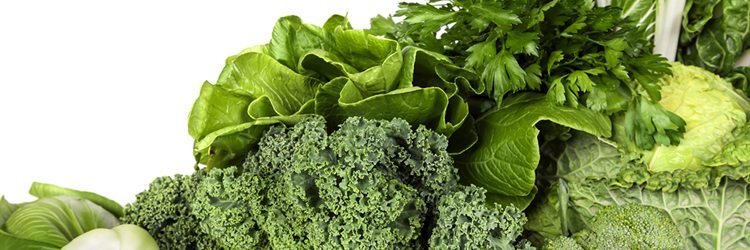
You simply can’t eat too many leafy greens like spinach, romaine, kale and Swiss chard. These vegetables are packed with anti-inflammatory flavonoids and are a good source of antioxidants that protect your cells.
Plus, these vegetables have a low glycemic index which means you can fill your plate with them without filling out your waistline!
2. Walnuts

If you’re like me and find yourself hungry between meals, a handful of walnuts make a perfect snack.
Walnuts are a rich source of antioxidants and anti-inflammatory ALA omega-3 fatty acids and can help to protect you against cardiovascular problems, metabolic syndrome and type 2 diabetes. [3]
3. Wild-Caught Salmon

Wild salmon is chock full of essential fatty acids, omega-3s in particular, which are some of the most powerful anti-inflammatory substances.
Take special care to only purchase or eat wild-caught salmon, as farm-raised salmon can have up to sixteen times the amount of cancer-causing PCBs. Another suggestion is to get your omega-3s from a high quality fish oil supplement.
You’ll be amazed at how at pharmaceutical-grade fish oil can help revitalize your heart. Improve your brain function. Ease stiff, sore joints. Give you healthier, younger-looking skin. And protect you against the poor health and painful diseases associated with chronic inflammation.
I urge you to read this special report that details the many health benefits of fish oil. You’ll also learn why everyone from the American Heart Association to the Harvard School of Public Health urges older adults to add fish oil to their diets.
4. Turmeric

Turmeric, a tasty spice that gives Indian curry its distinctive golden color, can naturally soothe chronic inflammation.
In multiple studies, curcumin, the active compound in turmeric, has been found to be strongly anti-inflammatory because it inhibits molecules that play a major role in causing chronic inflammation.
5. Blueberries

Are blueberries the perfect fruit? They just might be!
Blueberries are packed with a flavonoid called quercetin, which fights inflammation as well as cancer. On top of that, a recent study found that eating blueberries can slow cognitive decline, improve memory, and improve motor function. [4]
6. Cocoa

Could chocolatey delicious cocoa be good for your health? You better believe! Research shows that flavonoids in cocoa have powerful antioxidant and anti-inflammatory properties, and they appear to be especially good for heart health. [5]
7. Cherries

Cherries are another yummy fruit that packs a major anti-inflammatory punch! Cherries are loaded with a unique compound called anthocyanins that naturally mediate the inflammation process.
How effective are they at soothing pain caused by chronic inflammation? Scientific studies have shown that the anthocyanins found in cherries are as effective as commercially sold NSAIDs like Advil and Aleve — without the negative side effects! [6]
Chocolate Covered Cherry Shake

Eating more anti-inflammatory foods like the ones above will do so much for your health.
You may find that you have more energy, stronger immunity, improved mood, fewer aches and pains, and faster (much faster) weight loss.
And because I’m a firm believer that one of the very BEST things we can do for our health is to ENJOY life, I want to share a fun, delicious recipe with you.
Picture yourself slurping down a rich, creamy, decadent chocolate covered cherry shake but instead of feeling guilty, you’re smiling because you’re doing your body good!
A fantasy? No way! Just whip up the recipe below (takes about 5 minutes) for a feel-good, TASTE-GOOD treat!
I enjoy this chocolate covered cherry shake whenever I’m in the mood for ice cream. It really hits the spot!
Chocolate Covered Cherry Shake
Prep Time: 5 minutes Serves: 2
============================
Ingredients:
- 1 tablespoon unsweetened, unprocessed cocoa powder
- ½ cup frozen dark cherries, pitted
- 1 cup coconut, almond or flax milk
- ½ half teaspoon pure vanilla extract
- Ice cubes as desired
Directions:
- Pour all ingredients into blender and process until smooth
- Pour into two glasses. Bon appetit!
Now It’s Your Turn
Most folks who feel sick, tired and “run down” all the time have no idea that chronic inflammation could be to blame.
And even if they’ve heard of chronic inflammation they may not realize that the foods they eat can have a dramatic impact on managing this condition.