Are wrinkles, fine lines, sagging and dimpling skin just a “right of passage” as you age?
Some list those effects of aging as mere battle scars as if they are earned over time.
The truth is, all of those signs of aging are merely the effects of damage that occurs within your body through normal processes over time and declining collagen levels.
As you get older, your body isn’t as efficient. It doesn’t produce as much collagen as it did when you were younger. This decrease in collagen makes your skin less hydrated, less firm, and less flexible.
But, you can boost your skin’s collagen!
You can help your body produce the collagen it needs to provide moisture, elasticity, and strength to your skin to lessen wrinkles, sagging, dimpling, and cellulite.
Read on to find out how…
What is Collagen?
Collagen is a protein that is found in your bones, digestive system, ligaments, tendons, muscles, skin, and even your blood vessels.
It provides both structure and elasticity to tissues throughout your body.
You produce collagen naturally, but as you age, your ability to do so decreases.
It is because of this decline in collagen production that your skin begins to dimple, sag, and wrinkle as you get older.
The lack of collagen causes your skin to lose its elasticity, and you see that change staring back at you in the mirror.
Apart from age, other ways that your collagen production can be diminished include sun damage, smoking, and eating a diet high in processed and refined sugars.
But, there are some simple ways you can boost your skin’s collagen and your body’s ability to produce this protein to make your skin smooth, hydrated, and firm.
1- Vitamin C
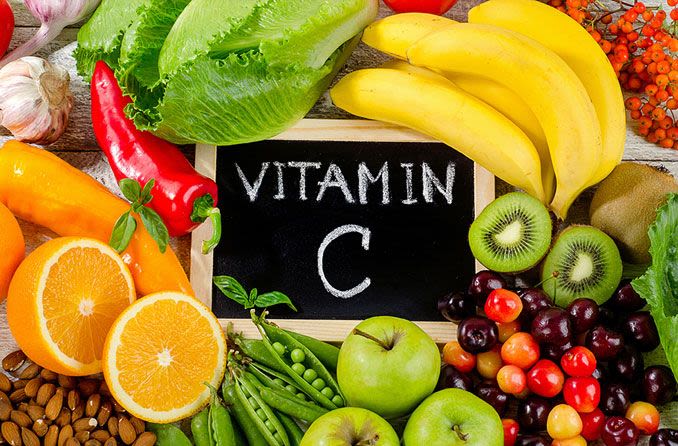
Your body is unable to make vitamin C on its own. But, this vitamin plays a crucial role in the synthesis of collagen.
It is known for protecting your skin against sun damage as it aids your body in producing more collagen, which is actually depleted in your skin with sun damage.
Essentially, too much exposure to the sun can decrease levels of collagen in your skin. This makes it more dry and creates fine lines and wrinkles.
Vitamin C boosts collagen production bringing needed hydration and elasticity back to your skin as it also protects from lasting photodamage (from sun exposure) in the process.
Boost your skin’s collagen by eating a diet filled with the following foods, all of which are rich in vitamin C.
- Oranges
- Red peppers
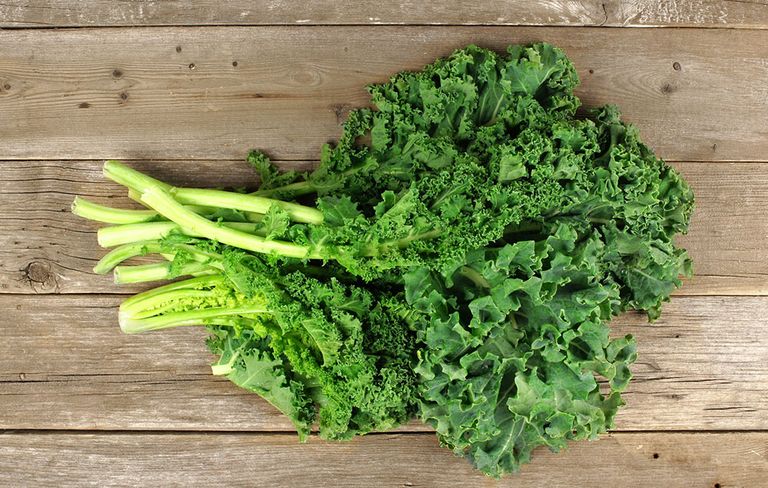
- Kale
- Brussel sprouts
- Strawberries
- Broccoli
- Papaya
- Green leafy vegetables
- Winter squash
- Tomatoes
2- Hyaluronic Acid
You may have seen this ingredient in many popular skin products.
Hyaluronic Acid is naturally produced by your body and is found primarily in your skin. Like collagen, its production also declines as you age.
These two work together to keep your skin firm and hydrated. Hyaluronic acid boosts collagen production. Then the collagen firms your skin as the hyaluronic acid aids in keeping your skin hydrated.
Collagen needs the hyaluronic acid to remain moist so that it can provide your skin with elasticity, preventing sagging and wrinkles.
The reason your skin is more smooth and plump when you are young is because that is when your skin’s levels of both collagen and hyaluronic acid are at their best.
Those levels decrease with age leaving you to search shelves and websites (and read articles like this one) looking for healthy ways to boost those levels to get your skin back to its youthful appearance.
And, the vitamin C that we just discussed? It actually aids your body in the production of hyaluronic acid.
Eating foods high in vitamin C, like the ones listed above, and the following foods which are high in hyaluronic acid, can help your body gain its full benefits thus boosting collagen production in your skin.
High levels of hyaluronic acid are found in bone broth, citrus fruits, leafy greens, and starchy root vegetables.
3- Bone Broth

Bone broth is considered to be one of the best natural sources of collagen. And, even better? It is also rich in amino acids that are necessary for your body to be able to produce collagen on its own.
As opposed to ordinary broths which are made by boiling meats and vegetables, bone broth is made by boiling the bones of beef, chicken, and fish drawing out the collagen from within those bones.
Beef and fish bone broths contain the types of collagen that most benefit the health of your skin.
And, as with everything else in this life, quality matters! Heavy metals and toxins can accumulate in animal bones, so be sure you choose a high quality source whether you are purchasing premade broth or making your own.
4- Peptides

If you’ve ever researched collagen supplements or have seen collagen products on the shelves of your preferred grocery store, you’ve likely seen the word ‘peptides’ in there somewhere as well.
Peptides are a type of amino acid that are naturally found in your skin. The type of collagen that makes up your skin is actually composed of chains of these same amino acids called polypeptide chains.
Using peptides topically can stimulate collagen production within your skin. This boost in collagen makes your skin more plump, firm, and youthful.
Collagen itself, on the molecular level, isn’t small enough to be absorbed through your skin. This is why peptides are used topically to promote collagen production.
5- Antioxidants
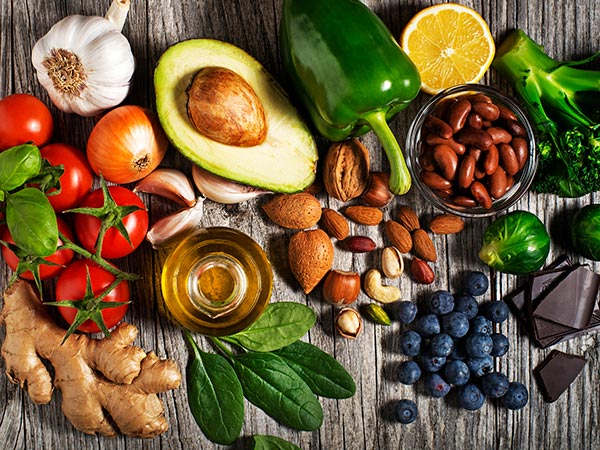
Another reason that your body changes with age (with effects on your cognitive ability, mobility and skin appearance) is because of free radical damage that occurs.
This type of damage happens to your cells through normal processes that go on within your body over time.
Antioxidants protect your body from free radical damage.
- Some types of antioxidants block enzymes that destroy collagen.
- Some antioxidants specifically boost collagen levels in your skin.
- Other kinds of antioxidants increase the life of collagen within your body.
- Antioxidants that don’t work to boost collagen levels aid in the function of existing collagen instead.
Many foods and drinks contain antioxidants, including:

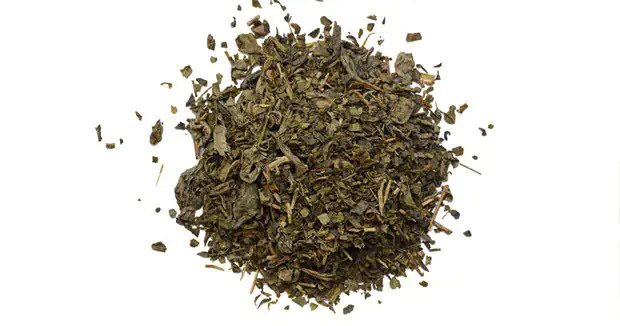
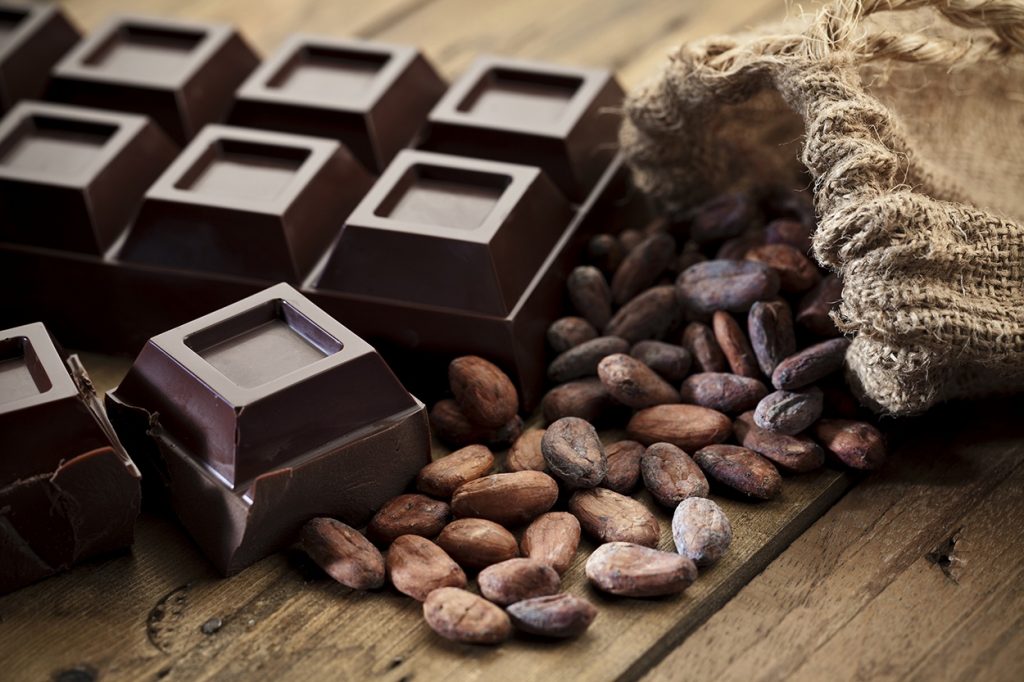

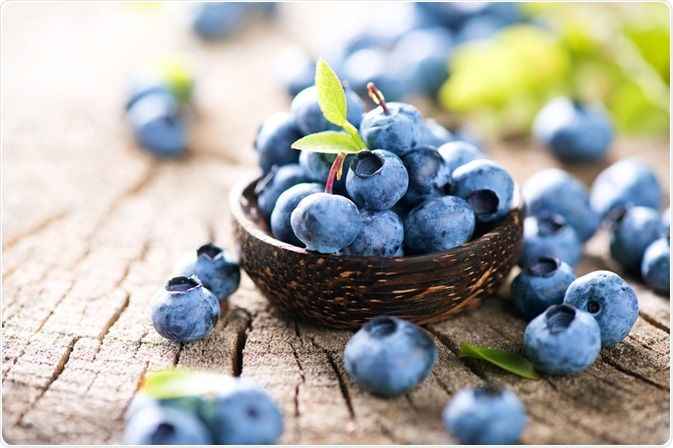






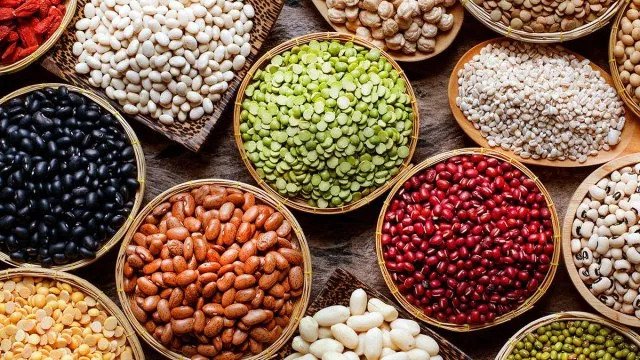
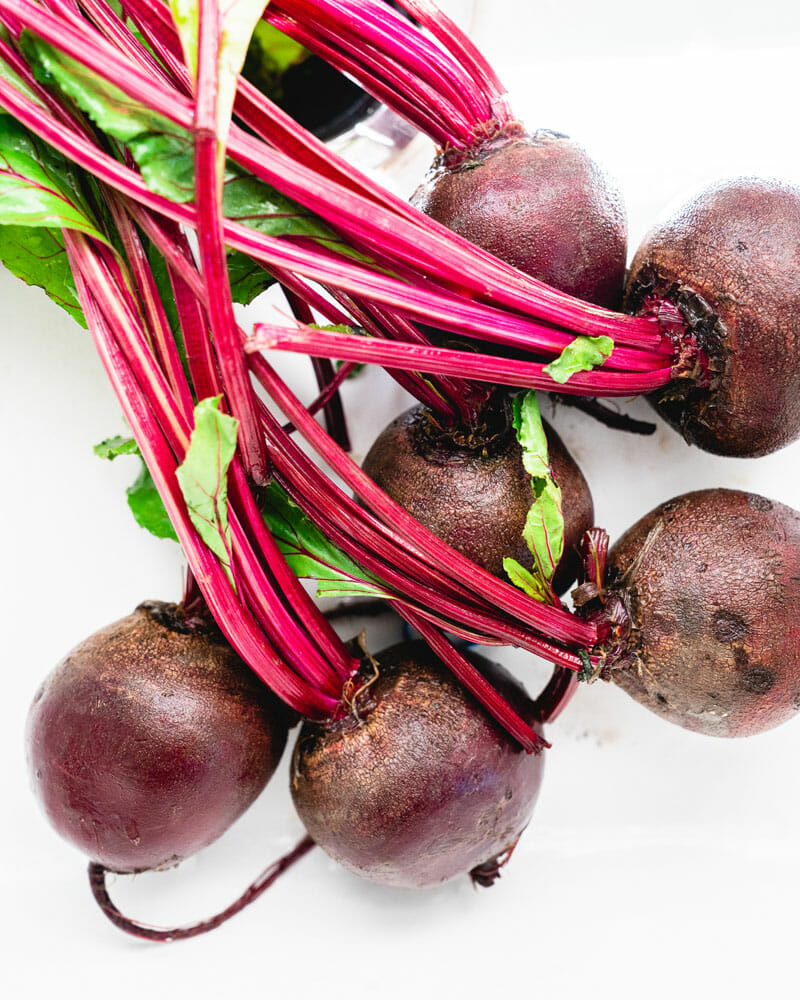


You can boost the collagen in your skin and aid its ability to function by incorporating these antioxidant rich foods and beverages into your diet.
Collagen Support
Your body, and your skin, can also benefit from collagen supplementation.
In fact, using a collagen supplement is considered one of the best ways to improve your skin’s collagen levels besides fueling your body with collagen-boosting foods.
A high-quality collagen supplement protects your body, including your skin, against the signs of aging. With it, you can:
- restore declining collagen levels
- maintain the strength and stability of your skin
- support skin renewal
- improve the texture, elasticity, and hydration of your skin
- reduce dimpling on your thighs, butt, and belly (by improving firmness and elasticity in your skin)
- prevent dry patches
References:
https://www.healthline.com/health/beauty-skin-care/collagen-food-boost#keep-an-eye-on-sugar
https://draxe.com/nutrition/what-is-collagen/
https://store.draxe.com/blogs/all/collagen-types
https://www.ncbi.nlm.nih.gov/pmc/articles/PMC3673383/
https://health.clevelandclinic.org/the-best-way-you-can-get-more-collagen/
https://lpi.oregonstate.edu/mic/health-disease/skin-health/vitamin-C
https://www.medicalnewstoday.com/articles/317151#Ways-to-boost-collagen
https://www.healthline.com/health/ways-to-boost-collagen#foods-rich-in-vitamin-c
https://www.medicalnewstoday.com/articles/317151?utm_source
https://www.dermstore.com/blog/foods-high-in-hyaluronic-acid/
https://www.healthline.com/health/peptides-for-skinpeptides-for-skin#:~:text=While%20collagen%20molecules%20are%20too,its%20production%20of%20collagen%20peptides.
https://www.healthline.com/health/peptides-for-skin#about-peptide-products
https://www.healthline.com/health/beauty-skin-care/collagen-food-boost#garlic
https://www.healthline.com/nutrition/foods-high-in-antioxidants