The Dreaded Period Bloat.
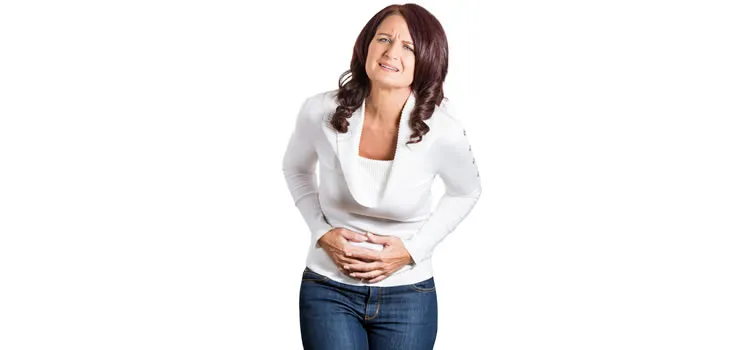
You know the feeling all too well; as the date of your next period creeps closer, you notice your stomach swelling and you start to feel heavier, gassier, and downright miserable.
Why does this unwanted bloating occur, and what can you do to relieve it?
Why Do You Bloat During Your Period?
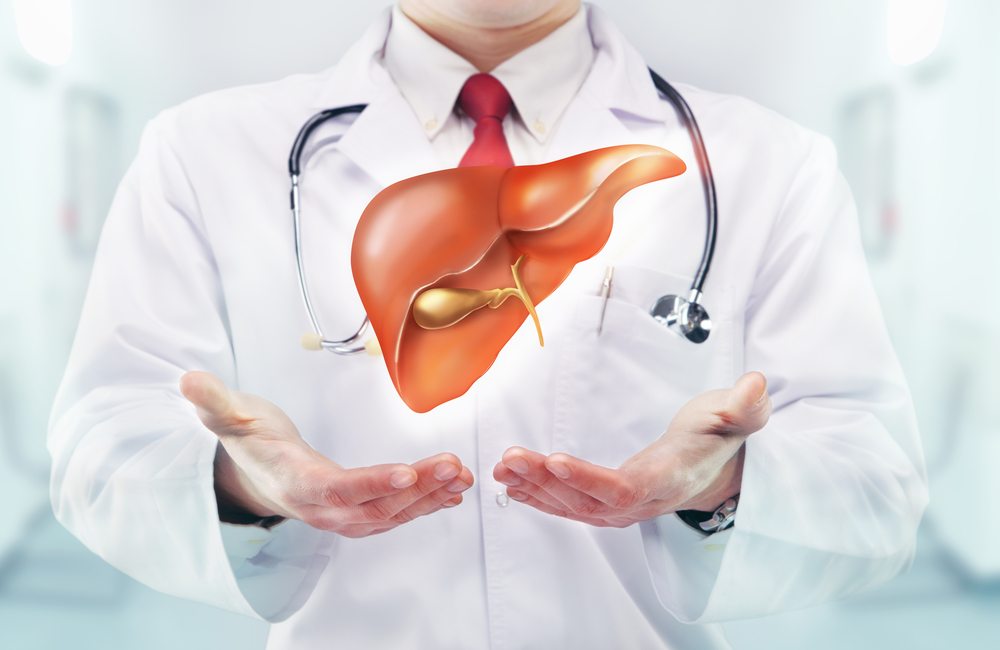
Under normal circumstances, bloating occurs as a result of digestive issues. If you experience bloating unrelated to your period, it’s probably because your body can’t easily digest certain foods. The bacteria in your GI tract feast on that undigested food and release excess gases that cause you to feel bloated.
Before and during your period, however, bloating occurs as a result of fluctuating hormones. About one week before your period, progesterone levels fall. That causes your body to retain more salt and water, which in turn leads to that miserable bloating sensation.
Many women also experience slower digestion throughout their menstruation cycle. A reduced ability to process food can cause constipation, extra bloating, and general discomfort.
Signs of Bloating During Period
It isn’t too difficult to identify bloating during your period. This common symptom of menstruation quickly affects the stomach, but bloating may also occur in the face and ankles. Other signs that you’re bloated may include:
- Feeling gassy
- Feeling full, even if you haven’t eaten
- Feeling fat and unattractive
- Puffy ankles
- Holding too much water
Despite the misery of period bloat, there’s one silver lining: it’s an isolated incident. Bloating begins a few days before your period and stops as your period ends. Even better, if you can find different natural methods and remedies to alleviate bloating during your menstruation itself, you can start to feel comfortable before your period ends.
Natural Remedies for the Dreaded Period Bloat
You don’t need a doctor’s visit or prescription medications to tackle bloating during your period. The following natural remedies can effectively reduce your period bloat and help you feel more comfortable and confident throughout your monthly menstruation.
Adjust Your Diet
Food is the most powerful (and natural!) medicine for your period bloat. Try to incorporate at least one or two of the options below into your meals and snacks during your period.
Kefir
Kefir is a cultured, fermented beverage that is often compared to a “yogurt drink” because it is tart, creamy, and loaded with probiotics. Kefir’s fermentation process gives it powerful anti-bloating powers. The probiotics in kefir are also proven to boost healthy bacteria in the GI tract, relieve symptoms of indigestion, and support a smooth and efficient digestion process. This translates into less bloating and more comfort during your period.
Ginger
The ginger spice contains phenolic compounds that are known to relieve gastrointestinal irritation, trigger bile production in the gut, and support food as it moves through the GI tract. Ginger also increases the efficiency of certain digestive enzymes, which in turn helps your body break down food molecules and prevent bloating. If you want a double-whammy, try ginger kombucha to enjoy the benefits of probiotics, fermentation, and phenolic compounds.
Bananas
Thanks to their high potassium levels, bananas regulate sodium levels in the body. Eating at least one banana each day of your period can prevent and reduce salt-induced bloating. Ripe bananas are also rich in soluble fiber, which can prevent constipation and the bloating associated with it. The better your body can eliminate waste, the less likely you are to become bloated.

Use Digestive Enzymes and Supplements
In addition to eating anti-bloat foods, you can also harness the power of digestive enzymes and supplements to keep your period bloating at bay.
Digestive Enzymes Fight Your Bloat
Digestive enzymes exist naturally in the GI tract to break down food after it is swallowed. If your body doesn’t produce specific enzymes in large enough quantities, food remains undigested and triggers unwanted bloating.
Digestive enzyme supplements make it easier for your body to digest and process the food you eat. Try taking an advanced digestive enzyme supplement with a unique blend of many digestive enzymes. It will help your body break down and absorb nutrients in your food.
The Power of Probiotics
Your entire digestive system is always teeming with bacteria. When harmful bacteria begin to outnumber the good bacteria in your GI tract, you experience health problems and uncomfortable symptoms like bloating and other digestive issues.
Probiotics help you restore balance to your GI tract by supplying extra “good” bacteria in the form of live microorganisms. You’ll experience the most benefits from probiotics if you take them on a long-term basis, not just during your period.
Activated Charcoal
Activated charcoal is a powerful but little-known supplement that absorbs harmful substances in your digestive system. It attaches itself to the culprits of bloating and forces them out of the body. Just one dose of activated charcoal has the power to reduce uncomfortable period bloating!
Other Helpful Hints to Feel Better During Your Period
Beyond using foods and supplements to protect your body from the effects of period bloat, it’s also helpful to make certain lifestyle changes.
First, try to avoid salty foods and refined carbs. Both of these tempting treats wreak havoc on your digestive system and increase water and salt retention. You’ll experience the best anti-bloating results when you refrain from salty and refined foods and use strategic foods and supplements. You might even forget you have your period at all!
In addition, be sure to drink plenty of water, even more than you usually do. This won’t cause water retention like you might think. Instead, you’ll stimulate kidney function to flush your system out and reduce sensations of bloating. Replacing soda with water will also reduce the gas in your stomach, which is a major culprit of bloating.
Finally, get out there and move. Whether you want to hike, play tennis, jog, or lift weights, any form of exercise is proven to reduce PMS symptoms and boost your mood.
The Bottom Line
Bloating during your period is miserable, but you do have control over it! Fight bloating by incorporating the right foods, drinks, supplements, and habits into your lifestyle, and you can survive your period without wanting to hide under your covers all week.