
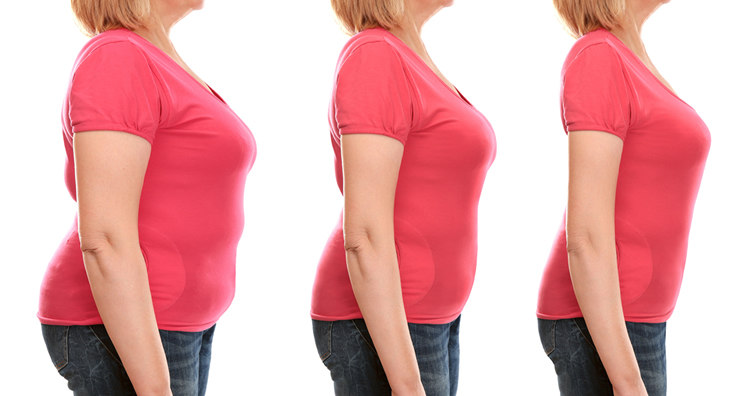
If losing weight was one of your New Year’s resolutions, I’m going to share a secret in this article that will help you get the body you want.
Breakthrough research reveals how eating MORE fat supercharges your cells to reignite your metabolism and melt 5x more stubborn fat and cellulite off your belly and hips.
The trick?
You need to make sure to eat the right combination of what doctors call “smart fats”.
Let me explain…
How Can You EAT Fat
To LOSE Fat?
Right now, you have roughly the same number of fat cells as you did on the day you were born.
And deep inside every one of these cells is a microscopic energy engine called mitochondria.
Mitochondria are responsible for burning fat and creating energy in your body.
The problem is that as we age, mitochondria produce damaging free radicals.
These free radicals trigger inflammation which slows down the fat-burning abilities of your cells’ mitochondria… and can make you look and feel years older than your true age.
In fact, studies show that once we hit 40 our mitochondria slow down … and this can lead to slow metabolism, low energy, stubborn weight gain and accelerated aging. (1)
That’s where eating more fat comes in.
Burn 5x More Fat!
Fuel your mitochondria with the right mix of “smart fats” and you’ll feel your metabolism take off like a race car!
That means consuming a daily variety of:
- Monounsaturated fats
- Polyunsaturated fats, and
- Omega-3 essential fatty acids
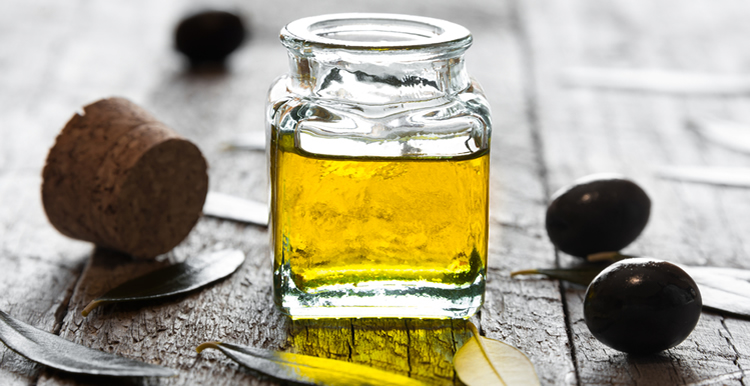
These smart fats are “clean” fuel that won’t pump your cells full of free radicals, provide antioxidants that neutralize existing free radicals and soothe inflammation.
Even better:
They activate the genes that energize mitochondria, transforming your cells into fat-burning furnaces!
================================================================
Have You Accidentally Turned Your Body Into A Fat Magnet?
Doctors and policy makers started recommending a low-fat diet 65 years ago. So why are 74 percent of Americans today obese or overweight?
Turns out your “healthy” diet may have virtually magnetized your body for pounds of stubborn, ugly fat.
================================================================
What Are The Best Sources of Smart Fats?
Recall that smart fats are monounsaturated fats, polyunsaturated fats and omega-3 fats.
So what are the best sources of these smart fats?
According to Harvard Medical School good sources of monounsaturated fats are olive oil, peanut oil, canola oil, avocados, and most nuts, as well as high-oleic safflower and sunflower oils.
Bonus: The majority of the monounsaturated fat in avocado is oleic acid. In lab studies, oleic acid has been shown to kill breast cancer cells. (2)
Polyunsaturated fats are common in cooking oils like corn oil, sunflower oil, and safflower oil.
Bonus: The linoleic acid in safflower oil can decrease the severity of PMS symptoms like cramping, mood swings and fatigue. (3)
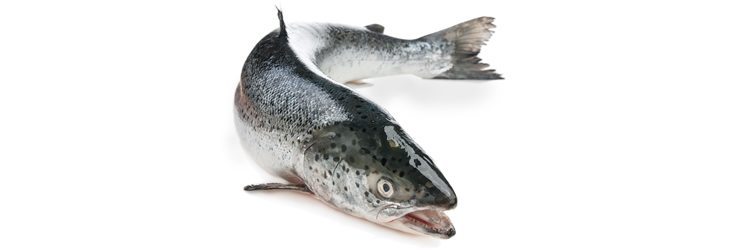
While fish like mackerel, salmon, sardines, as well as plant-based sources like flax seeds and walnuts are healthy choices for omega-3 fats.
Bonus: A 3.5-ounce serving of salmon delivers 22 — 25 grams protein which provides consistent energy throughout the day and helps keep hunger cravings at bay.
Eat Fat To Lose Fat? Yes!
It may come as a surprise, but the secret to losing more fat is eating more of the right kinds of fat! The secret to burning more fat.
My advice:
Add more “smart fats” to the menu to rev up your mitochondria and supercharge your body’s natural ability to shed unwanted pounds.
But that’s not all…
There are other surprising, natural ways to get your body to work WITH you instead of AGAINST you to shed pounds, no matter your age.
Discover the surprising reason many people experience fatigue, weight gain, and brain fog — and how supporting your liver may help improve your overall health.Watch the full presentation here.