You might worry about stubborn excess belly fat, but have you ever considered the fat in your liver? You can’t see it, but fatty liver is a serious health condition. It leaves you vulnerable to liver disease, late-stage scarring in the liver, heart disease, and other complications.
Non-alcoholic fatty liver disease (NAFLD) affects about 100 million people in the United States. Yet many people don’t realize that their health problems stem from the liver.
Fortunately, fatty liver is reversible when treated early. Milk thistle, an herb with ancient roots, is one of the best natural fatty liver treatment options.
Whether you have been diagnosed with fatty liver or simply want to protect your future liver health, milk thistle provides many important benefits.
What Are the Symptoms of Fatty Liver?
The liver plays not just one but 500 essential roles in the body. As the body’s largest solid organ, the liver is responsible for detoxification, vitamin and mineral storage, food digestion, protein synthesis, and so much more.
Yet our modern lifestyle places strain on the liver and threatens its ability to perform so many essential duties. Unhealthy eating habits, weight gain, type 2 diabetes, and cardiovascular problems can all cause the liver to accumulate excess fat.
Fatty liver is a dangerous condition that rarely presents obvious symptoms. If you do experience signs of NAFLD, they may include the following:
- Pain in the upper right abdomen
- Ongoing fatigue
- Abdominal swelling
- Yellowing of the skin and eyes
Fatty liver can affect men and women across all age groups, but these risk factors increase your likelihood of developing fatty liver:
- High cholesterol and triglyceride levels
- Obesity, especially with extra fat in the abdomen
- Sleep apnea
- Type 2 diabetes
- Thyroid disorder
- Metabolic syndrome
Besides improving your lifestyle and adopting a healthier diet, milk thistle offers a safe and natural way to treat fatty liver.
What Is Milk Thistle?
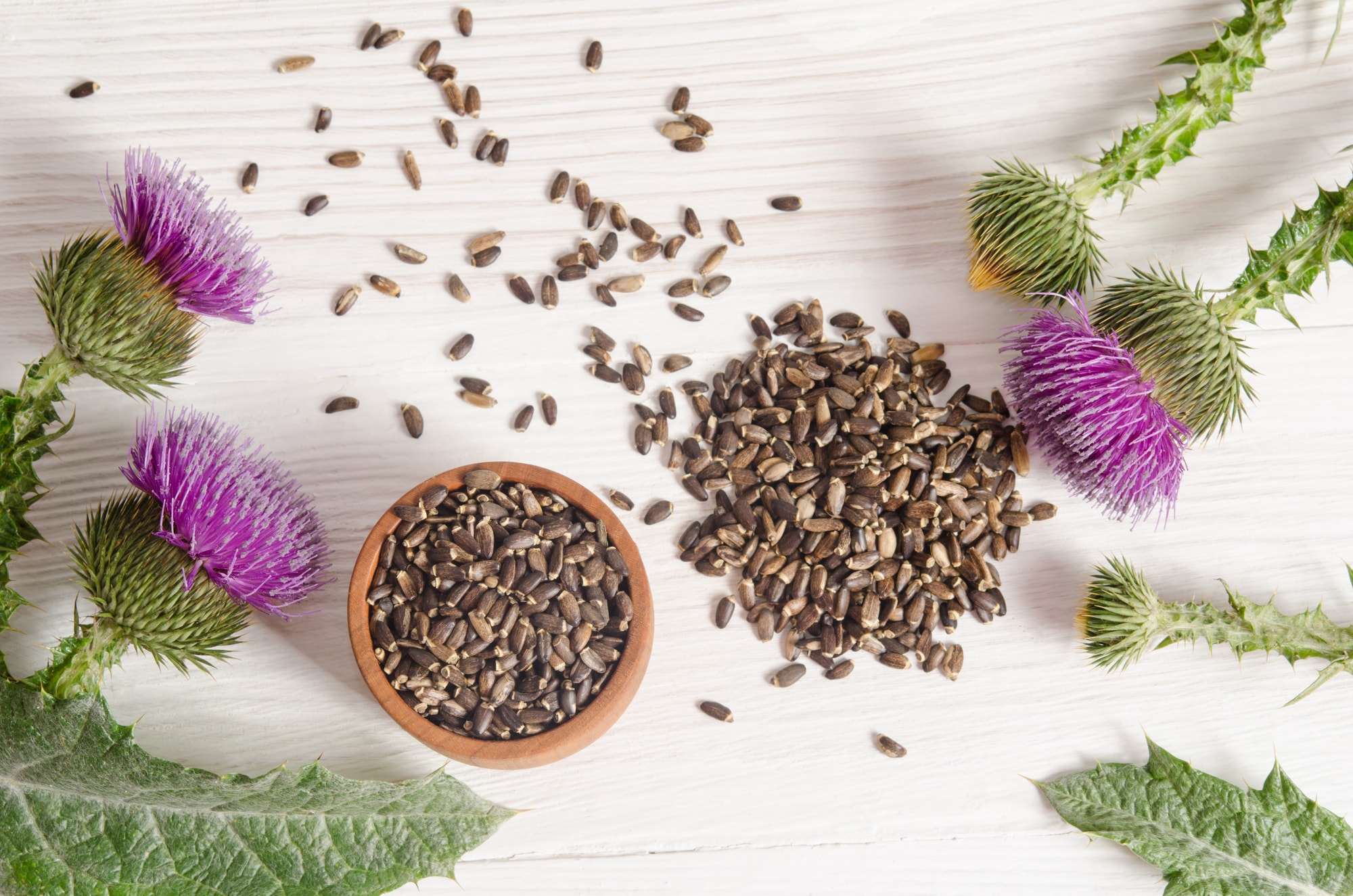
Milk thistle is a thorny plant prized as a healing herb for more than 2,000 years. The Greek physician and botanist Dioscorides described milk thistle healing properties as far back as 40 A.D.
Most of milk thistle’s therapeutic potential comes from a compound called silymarin. Silymarin is a powerful compound with antioxidant, antiviral, and anti-inflammatory properties. It allows milk thistle to stimulate healing, help the body fight free radical damage, and slow or stop the development of disease.
Milk Thistle for Liver Health
One of the liver’s most important functions is defending against toxins found in our environment. These toxins lurk in the food we eat, prescription drugs, and even the clothing we wear! The liver acts like a filter that removes these substances from your body before they can make you sick.
It’s a tough, exhausting job that can leave your liver overworked and struggling to perform at its best. Fatty liver disease also makes the liver’s job difficult as too much fat accumulates in its cells.
The good news is that milk thistle has the power to stimulate healing in the liver and protect it from future damage.
Milk Thistle Cleanses the Liver
Milk thistle is such a valuable supplement because it cleanses the liver. When the liver becomes too overloaded with toxins like heavy metals and pollutants, milk thistle supports the liver’s detoxification process.
This makes it possible for the liver to effectively purify the blood, remove harmful substances from your body, produce hormones, and perform countless other essential responsibilities.
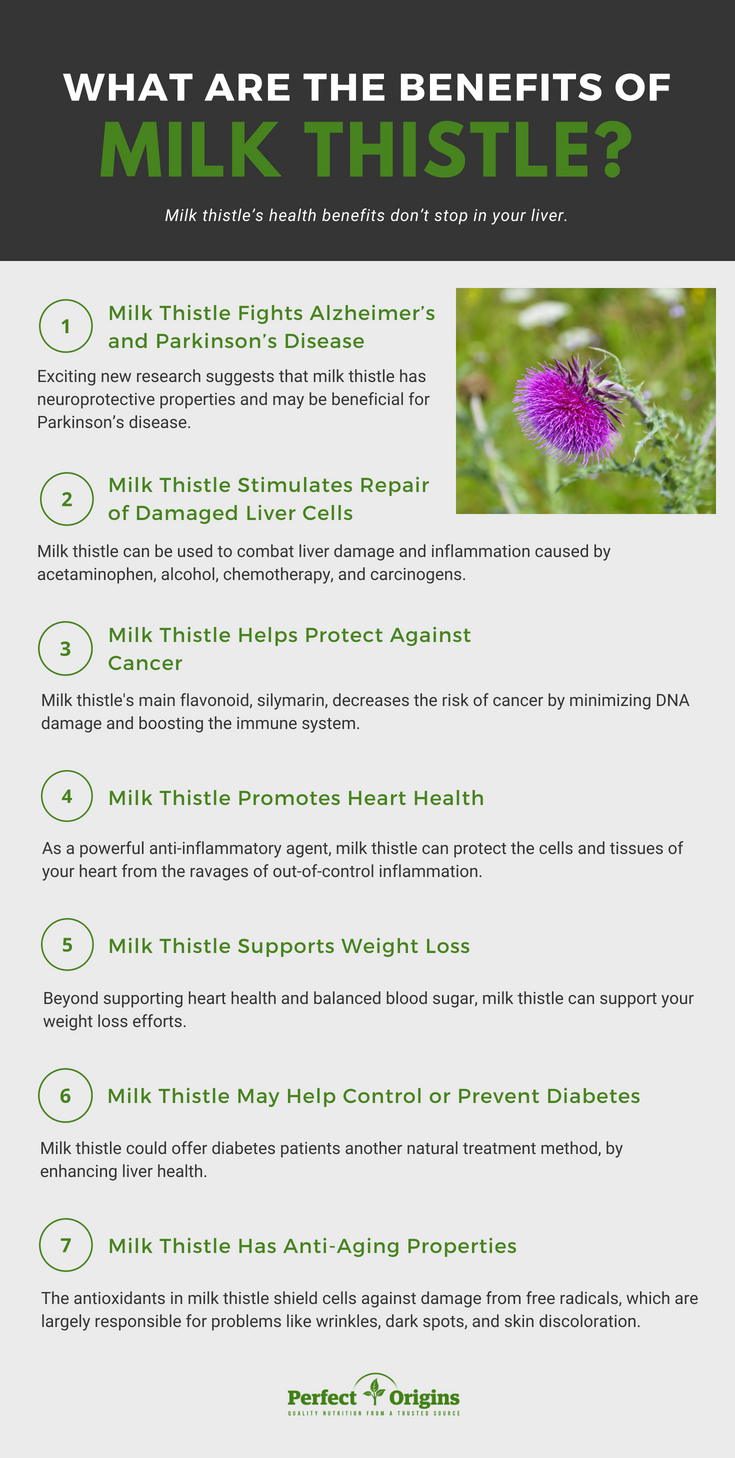
Milk Thistle Stimulates Repair of Damaged Liver Cells
Milk thistle is an anti-fibrotic, which means it protects against tissue scarring. This makes it a top choice in the prevention of cirrhosis, the scarring of the liver that can lead to liver cancer, liver failure, and even death.
It is common for the liver to suffer damage as a result of pharmaceutical drugs and environmental toxins. Milk thistle is known to reduce liver injury and stimulate cell repair.
This means that milk thistle can be used to combat liver damage and inflammation caused by acetaminophen, alcohol, chemotherapy, and carcinogens.
Beyond Your Liver: 6 Additional Milk Thistle Benefits
Milk thistle’s health benefits don’t stop in your liver. It offers the following six additional benefits that prove exactly why milk thistle is also known as “blessed milk thistle” and “holy thistle.”
1. Milk Thistle Helps Protect Against Cancer
Milk thistle’s main flavonoid, silymarin, is known as a “toxin blockade agent.” Since it stops toxins from affecting cells, silymarin decreases the risk of cancer by minimizing DNA damage and boosting the immune system.
Researchers have conducted laboratory tests to see what impact silymarin has on cancer cells. They’ve discovered the following effects of milk thistle:
- May help chemotherapy drugs combat ovarian cancer and breast cancer cells
- May destroy prostate, breast, and cervical cancer cells
- May slow prostate cancer cell growth
2. Milk Thistle Promotes Heart Health
Chronic inflammation poses a huge threat to the body, especially to the heart. As a powerful anti-inflammatory agent, milk thistle can protect the cells and tissues of your heart from the ravages of out-of-control inflammation.

Milk thistle promotes heart health by easing inflammation, purifying blood, and reducing oxidative stress. These actions result in reduced cholesterol and triglyceride levels, which in turn protects the heart from disease.
3. Milk Thistle Fights Alzheimer’s and Parkinson’s Disease
Exciting new research suggests that milk thistle has neuroprotective properties and may be beneficial for Parkinson’s disease.
Animal studies also suggest that the silymarin in milk thistle may stop the formation of a toxic protein associated with Alzheimer’s disease, thus helping to prevent this heartbreaking condition.
It should be noted that the effect of milk thistle on brain health needs more research, but early evidence is both exciting and hopeful.
4. Milk Thistle May Help Control or Prevent Diabetes
Milk thistle could also offer diabetes patients another natural treatment method. It actually controls diabetes by enhancing liver health. The liver plays a central role in regulating the release of insulin into the bloodstream.
When the liver is healthy and capable of producing hormones efficiently, it can regularly release insulin into the bloodstream to manage and transport glucose.
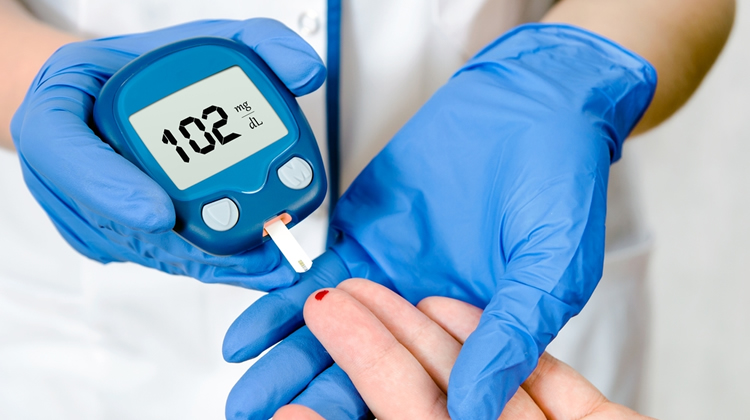
Research supports this idea that supplementing with milk thistle can reduce blood sugar levels. In a 2006 study of people with diabetes, those who supplemented with silymarin for four months showed an improved glycemic profile compared to patients who took a placebo.
5. Milk Thistle Has Anti-Aging Properties
The antioxidants in milk thistle shield cells against damage from free radicals. Since free radicals are largely responsible for age-related problems like wrinkles, dark spots, and discoloration on the skin, milk thistle has the power to reduce visible signs of aging.
Furthermore, milk thistle’s overall ability to help the liver perform its essential functions slows the aging process. It reduces common health problems that prematurely age or injure the body, leading to more youth and vitality.
6. Milk Thistle Supports Weight Loss
Beyond supporting heart health and balanced blood sugar, milk thistle can even support your weight loss efforts. Milk thistle’s role in weight loss can be traced back to the way it helps the liver.
An unhealthy liver, especially a fatty liver, struggles to properly release insulin and control blood sugar. It also fails to effectively metabolize fat in the body.

Taking a milk thistle supplement improves the function of the liver, which in turn supports regulated blood sugar and efficient metabolism. Both of these are important elements of healthy and sustainable weight loss.
Milk Thistle Dosage for Fatty Liver
If you’re wondering how much milk thistle to take to improve your health, the answer depends on your individual needs.
Milk thistle can be used in high doses to stimulate a natural liver detox. About 150 milligrams of milk thistle, taken three times daily, qualifies as a high dosage. To achieve ongoing liver support, try taking 50 to 250 milligrams daily.
The easiest way to start benefiting from milk thistle is to take it as a supplement or tea.
Where to Buy Milk Thistle for Fatty Liver
Milk thistle is available in tea and supplement form. However, you need to drink up to eight cups of tea in order to deliver any benefits to your body. A milk thistle supplement is the easier solution because it is convenient and results-driven.
Not all supplements offer the quality that you need to achieve optimal benefits. Only supplements that use the highly potent form of silymarin extract can fulfill their therapeutic promises of improved liver health and overall wellness.
Make Milk Thistle Part of Your Daily Routine
Your liver health dictates your overall health more than most people realize. In order to remedy the fact that your liver is bombarded by thousands of toxins every day, you need a milk thistle supplement to protect and repair your body’s largest organ.
Milk thistle has earned its reputation as a potent liver-protector. You can experience the true benefits of milk thistle for yourself.
Discover the surprising reason many people experience fatigue, weight gain, and brain fog — and how supporting your liver may help improve your overall health.Watch the full presentation here.